
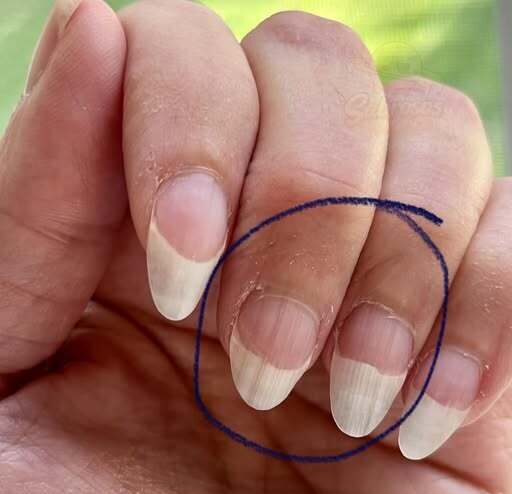
White Marks on Your Nails: When They Are Harmless and When They Deserve Medical Attention
What Causes White Spots and Lines to Appear on Your Nails?
Tiny white spots or pale lines on the nails can be unsettling, especially when they appear without an obvious explanation. Because nails are visible every day, even a small change may create concern about what could be happening inside the body.
These white nail changes are often described as leukonychia. Although many people immediately connect them with a calcium deficiency, the appearance of white marks is usually more complicated than that familiar explanation suggests.
In many cases, the marks are harmless and connected to minor damage that occurred during ordinary daily activities. In other situations, persistent or widespread nail changes may deserve closer attention, particularly when they appear alongside pain, redness, thickening, or changes in the shape of the nail.
Why White Nail Marks Can Seem So Concerning
Nails grow slowly, which means a white spot may remain visible for several weeks. Its long presence can make the change feel more serious, even when the original cause was a brief and minor injury.
A person may not remember hitting a finger, wearing tight shoes, or placing pressure on a nail. By the time the mark becomes noticeable, the event that caused it may already be forgotten.
This delay often creates confusion. The white area appears suddenly from the person’s perspective, but the damage may have happened earlier while the affected part of the nail was still forming.
The slow movement of the mark can also increase anxiety. Instead of disappearing overnight, it usually travels gradually toward the tip as the nail continues to grow.
Minor Nail Trauma Is a Common Explanation
Everyday injuries are among the most ordinary reasons for small white dots or patches. The damage does not need to be severe enough to cause bleeding, intense pain, or a broken nail.
A rushed manicure may place pressure on the growing area of the nail. Repeated filing, pushing, scraping, or handling around the base can leave temporary signs that later become visible as pale spots.
A finger caught briefly in a drawer may also develop a mark. Even when the discomfort fades quickly, the nail can preserve evidence of the impact while it grows.
Constant friction from work, exercise, household tasks, or sports may have a similar effect. Repeated contact can irritate the nail-producing area without creating one memorable moment of injury.
Toenails may be affected by tight footwear. Shoes that repeatedly press against the toes can create small areas of damage, especially when worn during long periods of walking, standing, or physical activity.
Because this type of trauma can be mild, many people never connect it with the later appearance of a white mark. The nail change may therefore feel mysterious even though it developed from a routine event.
How Harmless Marks Usually Behave
White spots caused by minor damage often follow a predictable pattern. They remain within the nail plate and slowly move outward as new nail growth pushes them toward the tip.
Over time, the mark reaches the area that can be trimmed. Once that portion of the nail is cut away, the spot usually disappears without requiring a special treatment.
The movement of the mark is an important detail to notice. A harmless spot linked to an earlier injury commonly travels with the nail instead of staying fixed in the same location.
These marks may appear on only one or two nails. They are often isolated, painless, and unaccompanied by swelling, redness, thickening, or visible distortion.
When the nail continues growing normally and the mark gradually approaches the edge, the pattern may support the idea that the change is temporary. Patience is often necessary because nail growth takes time.
Gentle Care Can Help Prevent Repeated Damage
Although an existing white mark may need to grow out naturally, careful nail habits can reduce the chance of new damage. The goal is to protect the nail and the area where new growth begins.
Hydration can be part of a gentle care routine. Keeping the nails and surrounding skin moisturized may reduce dryness and help limit irritation caused by repeated washing or exposure to harsh conditions.
Taking breaks from polish can also give the nails time without repeated cosmetic handling. Frequent application, removal, scraping, or strong products may increase stress on nails that are already sensitive.
Manicures should be handled carefully rather than aggressively. Rough treatment around the base of the nail may cause damage that becomes visible only after the nail has grown.
Protection from harsh chemicals is another practical step. People whose hands are regularly exposed to cleaning products or other irritating substances may benefit from creating a barrier between the nails and those materials.
Reducing repeated friction can also matter. Small changes in work habits, sports routines, footwear, or nail care may help prevent the same kind of marks from returning.
Why the Calcium Deficiency Myth Persists
White nail spots are frequently described as a sign that the body needs more calcium. This belief has been repeated so often that many people accept it immediately when they notice a pale dot.
However, the appearance of leukonychia should not automatically be treated as proof of a calcium problem. Minor injury, pressure, friction, manicures, and tight shoes may provide a more direct explanation in many cases.
Assuming that every mark has the same cause can lead to unnecessary fear. It may also distract from the actual pattern of the nail change, including whether it moves, fades, spreads, or affects multiple nails.
Observing the nail carefully is more useful than relying on a single familiar myth. The location, duration, number of affected nails, and presence of additional symptoms can all help determine whether the change appears temporary or unusual.
When White Lines Deserve More Attention
Not every white nail change follows the simple pattern of a small injury. Some marks remain visible for months, affect several nails, or appear as lines rather than isolated dots.
A mark that does not move toward the tip as the nail grows may deserve closer observation. A change that repeatedly returns or remains fixed can differ from the typical behavior of a temporary injury.
White lines involving many nails at the same time may also require medical evaluation. Widespread changes can be more significant than a single small spot on one finger or toe.
The duration matters as well. A mark that gradually grows out may be less concerning than one that persists for months without following normal nail growth.
Changes should not be judged by color alone. Pain, redness, thickening, swelling, tenderness, or visible deformity can provide important additional information.
Other Nail Changes That Should Not Be Ignored
White discoloration accompanied by discomfort is different from a painless spot that slowly moves toward the edge. Pain may indicate that the nail or surrounding tissue needs professional attention.
Redness around the nail can also be important, particularly when it continues or worsens. The same is true when the nail becomes unusually thick or develops a noticeably altered surface.
A change in shape may signal that the issue involves more than a minor old injury. Nails that become distorted, uneven, or visibly damaged should be evaluated when the change does not improve.
Persistent nail changes may be connected with infection, skin disease, illness, or the effects of medical treatment. The visible appearance alone may not reveal the exact explanation.
Because several different causes can create similar-looking marks, self-diagnosis may be unreliable when the pattern is unusual. A medical evaluation can help distinguish a harmless change from one that requires treatment or monitoring.
Pay Attention to the Pattern Across Your Nails
One isolated white dot is different from repeated lines appearing across many nails. Looking at the overall pattern can provide more useful information than focusing only on a single mark.
Consider whether the change affects the fingernails, toenails, or both. Pressure from footwear may explain a toenail mark, while a recent manicure or repeated hand activity may be more relevant to a fingernail.
Notice whether the marks appeared at approximately the same time. Multiple nails changing together may deserve more attention than separate spots that appear after different everyday injuries.
It is also helpful to observe whether new marks continue forming. Repeated appearance may suggest ongoing friction, harsh nail care, chemical exposure, or another issue that has not been resolved.
Tracking the marks over time can make the pattern clearer. Their movement, size, number, and connection with other symptoms can help determine whether they are growing out normally.
Medical Evaluation Is a Reasonable Form of Care
Seeking medical advice for persistent nail changes is not an overreaction. Nails can reflect local damage, but they can also be affected by conditions that are difficult to identify without an examination.
A professional evaluation is especially appropriate when several nails are involved, the marks remain for months, or the nails become painful, red, thickened, or deformed.
Medical attention may also be useful when the person cannot identify any possible source of repeated injury. An examination can help clarify whether the change is connected to infection, skin disease, illness, or medical treatment.
The purpose of evaluation is not to create fear. It is to understand why the normal pattern of nail growth or appearance has changed and whether any specific care is needed.
What Your Nails May Be Telling You
Most small white marks do not need to become a source of panic. They are often temporary signs of pressure, friction, cosmetic handling, or minor injuries that were easy to overlook.
When the nail grows normally, the spot moves toward the tip, and no additional symptoms appear, the mark may simply disappear with time and trimming.
Gentle nail care can support this process. Hydration, protection from harsh chemicals, careful manicures, breaks from polish, comfortable footwear, and reduced friction may help prevent future damage.
At the same time, persistent or widespread changes should not be dismissed. White lines that remain for months, affect many nails, or occur with pain, redness, thickening, or deformity deserve professional attention.
The most useful response is neither fear nor indifference. It is careful observation, protection from repeated harm, and a willingness to seek help when the marks do not follow the expected pattern.
Leukonychia is often a reminder that the body records everyday experiences in subtle ways. By watching how the marks change over time, people can separate many harmless nail injuries from changes that may require medical care.