
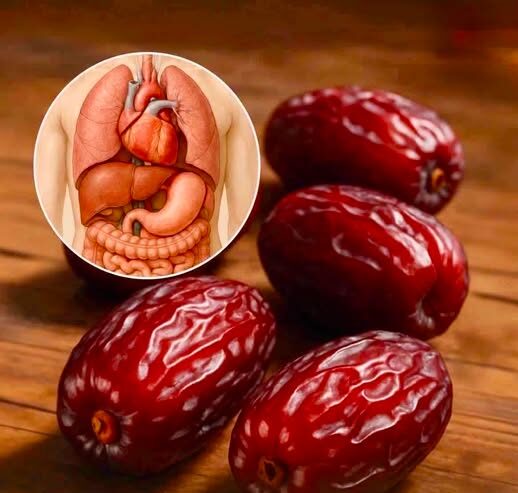
What Eating Three Dates a Day May Add to a Balanced Diet
Why Dates Deserve More Attention
Fruits and vegetables are widely recognized as important parts of a balanced diet, yet dates are sometimes overlooked despite their natural sweetness, concentrated nutrients, and versatility.
Dates can be eaten on their own, paired with nuts, blended into smoothies, or used as a natural sweetener in homemade foods. Their rich flavor makes them especially useful for people who want a sweet option without relying entirely on heavily processed snacks.
Eating three dates a day is a simple habit that may add fiber, potassium, magnesium, and naturally occurring plant compounds to the diet. While dates are not a cure for medical conditions, they can fit comfortably into an overall healthy eating pattern.
Their benefits come from the combination of nutrients they contain rather than from one single ingredient. When consumed in reasonable portions, dates can support several areas of everyday nutrition.
Dates Provide Potassium for Normal Body Function
Dates are a natural source of potassium, an essential mineral involved in fluid balance, muscle function, and normal nerve activity.
Potassium is also important for cardiovascular health because it helps the body manage sodium and supports normal blood pressure regulation.
Including potassium-containing foods as part of a balanced diet may support the heart and blood vessels. Dates can contribute to this intake alongside vegetables, legumes, fruits, and other whole foods.
However, dates should not be viewed as a direct treatment for high cholesterol or heart disease. Their role is best understood as part of a broader diet that includes varied nutrient-rich foods.
A Convenient Source of Natural Energy
Dates contain naturally occurring sugars, which makes them a quick source of energy. This can be useful when someone needs a small snack before physical activity or during a busy day.
Pairing dates with a walnut can create a more balanced snack. The date provides carbohydrates, while the walnut adds fat and a small amount of protein.
This combination may feel more satisfying than eating a sugary snack by itself. It can also help provide energy without depending on highly sweetened energy drinks.
Because dates are calorie-dense, portion size still matters. Three dates can be a practical serving for many people without turning the snack into an excessive source of sugar.
Fiber May Support Digestion
One of the most useful nutritional qualities of dates is their fiber content. Dietary fiber supports normal digestion and helps food move through the digestive system.
People who experience occasional constipation may benefit from adding more fiber-rich foods to their meals. Dates can contribute to that goal when eaten with enough water and alongside other fruits, vegetables, whole grains, and legumes.
Fiber may also help people feel full after eating. This can make dates a more satisfying choice than many processed sweets that provide sugar without much fiber.
Increasing fiber too quickly may cause digestive discomfort in some people, so it is usually better to add dates gradually if they are not already a regular part of the diet.
Dates Contain Antioxidant Compounds
Dates provide naturally occurring plant compounds with antioxidant activity. Antioxidants help protect cells from oxidative stress caused by unstable molecules known as free radicals.
Fresh and dried dates may contain different mixtures of these compounds. Anthocyanidins, carotenoids, and polyphenols are among the plant substances associated with the fruit.
These compounds are one reason dates are valued as more than a source of sweetness. They contribute to the nutritional profile of the fruit and support the benefits of eating a varied plant-based diet.
The body has its own natural systems for removing waste and managing oxidative stress. Dates do not perform a complete “detox,” but their antioxidant compounds may support normal cellular protection.
Magnesium Supports Many Everyday Functions
Dates contain magnesium, a mineral used throughout the body. Magnesium contributes to muscle function, nerve activity, energy production, and bone health.
It also plays a role in normal blood pressure regulation. Eating magnesium-containing foods can therefore be part of a heart-conscious diet.
Dates provide some magnesium, although they should not be treated as the only source. Nuts, seeds, legumes, whole grains, and leafy vegetables can help provide additional amounts.
A varied diet is the most reliable way to obtain enough magnesium and other essential minerals.
Dates May Fit Into a Blood-Sugar-Conscious Diet
Dates are naturally sweet, so people sometimes assume they cannot be included in a diet focused on blood sugar management. In reality, portion size and the overall meal matter greatly.
The fiber in dates may slow digestion compared with foods made from refined sugar alone. Pairing dates with nuts or another source of protein and fat may also reduce how quickly the snack is eaten and digested.
Even so, dates still contain carbohydrates and natural sugars. People with diabetes or other blood sugar concerns should consider serving size and follow the guidance provided by a qualified healthcare professional.
Dates should not replace prescribed medication or medical treatment. They can simply be one of many whole-food choices included in an individualized eating plan.
Potential Support for Brain Health
A balanced diet that includes fruits and other plant foods supports overall health, including the health of the brain.
Dates contain antioxidants and nutrients that may contribute to this broader nutritional pattern. Their natural sugars can also provide a quick source of fuel, which may be useful during mentally demanding activities.
Eating dates before studying will not guarantee better memory, but a small nutritious snack may help someone avoid distraction caused by hunger.
Claims that dates prevent memory-related diseases require much stronger evidence than the fruit alone can provide. Brain health is influenced by many factors, including sleep, activity, genetics, medical care, and the total quality of the diet.
Minerals That Contribute to Bone Health
Dates contain potassium, magnesium, and small amounts of other minerals involved in normal body function. These nutrients can support a diet designed to maintain healthy bones.
Bone strength depends on many factors, including calcium intake, vitamin D, physical activity, age, and hormonal health. No single fruit can build or restore bone mass by itself.
Dates may still be useful as one part of a nutrient-rich eating pattern. Pairing them with yogurt, nuts, seeds, or other foods can create a snack containing a wider range of bone-supporting nutrients.
People living with osteoporosis or osteopenia should rely on professional medical guidance rather than using dates as a replacement for treatment.
A Natural Alternative in Homemade Recipes
Dates are often used as a natural sweetener because of their soft texture and concentrated sweetness. They can be blended into pastes, sauces, snack bars, and baked foods.
Parents sometimes use dates when preparing homemade meals and snacks for their families. They can add sweetness while also contributing fiber and minerals.
Date paste can be mixed into oatmeal, yogurt, smoothies, or homemade energy bites. Chopped dates can also be added to cereals, breads, and desserts.
Although dates are less processed than many artificial or refined sweeteners, they still contain sugar. Using them in moderation remains important.
Possible Benefits for Skin and Eye Nutrition
Dates contain small amounts of nutrients and plant compounds that contribute to overall nutrition. A varied diet rich in fruits and vegetables is important for maintaining healthy skin and normal vision.
Dates should not be considered a major source of vitamin D. Vitamin D is obtained primarily through sunlight exposure, fortified foods, certain animal foods, and supplements when recommended.
The fruit can still support overall dietary quality by adding antioxidants and minerals. These nutrients work alongside those found in many other foods.
Clear vision and healthy skin depend on multiple nutrients, adequate hydration, sleep, sun protection, and appropriate medical care.
Supporting the Liver Through Balanced Eating
The liver performs essential tasks involving metabolism, nutrient processing, and the removal of certain waste products from the blood.
Dates do not directly cleanse or repair the liver, but they can be included in a balanced diet that supports overall health.
Replacing some heavily processed sweets with small portions of whole fruits such as dates may improve the general quality of a person’s diet.
People with liver disease should follow professional dietary advice because their nutritional needs may differ depending on the condition.
Dates and Inflammation
Dates contain antioxidants and magnesium, both of which are associated with normal body processes involving inflammation.
However, eating three dates should not be expected to quickly eliminate swelling or treat an inflammatory condition.
Swelling can have many causes, including injury, infection, medication, circulation problems, and chronic illness. Persistent or unexplained swelling requires medical attention.
Dates are best viewed as a nutritious food rather than a direct anti-inflammatory remedy.
Easy Ways to Eat Three Dates a Day
Three dates can be divided throughout the day or eaten together as a snack. Their portable size makes them easy to carry to work, school, or outdoor activities.
One date can be eaten with breakfast, another with a handful of nuts in the afternoon, and the final one used to sweeten an evening snack.
Dates can also be sliced and added to oatmeal or yogurt. Their sweetness may reduce the need for extra sugar.
For a simple snack, remove the pit and fill the date with a walnut or another nut. This adds texture and helps balance the carbohydrate content.
They may also be blended with nuts and oats to make homemade snack bites without requiring refined sugar.
Important Points About Portion Size
Dates are nutritious, but they are also concentrated in calories and natural sugar because much of their water has been removed during drying.
Eating a modest serving makes it easier to enjoy their flavor and nutrients without consuming a large amount of sugar at one time.
Three dates can be a reasonable portion, although the size and variety of the fruit may affect the total calorie and carbohydrate content.
People monitoring their blood sugar, calorie intake, or potassium consumption may need to discuss appropriate portions with a healthcare professional.
A Simple Addition Rather Than a Miracle Food
Dates can contribute fiber, potassium, magnesium, natural energy, and antioxidant compounds to the diet. They are versatile, convenient, and naturally sweet.
Eating three dates a day may support digestive regularity, provide a quick source of energy, and help increase the intake of plant-based nutrients.
However, dates cannot independently prevent heart attacks, cure liver disease, restore memory, reverse diabetes, or rebuild weakened bones.
The greatest benefit comes from including them as part of a balanced pattern that also contains vegetables, fruits, proteins, whole grains, healthy fats, and adequate fluids.
For people who enjoy their flavor, three dates can be an easy and satisfying daily habit. They offer a practical way to replace some processed sweets while adding more whole-food nutrition to meals and snacks.