
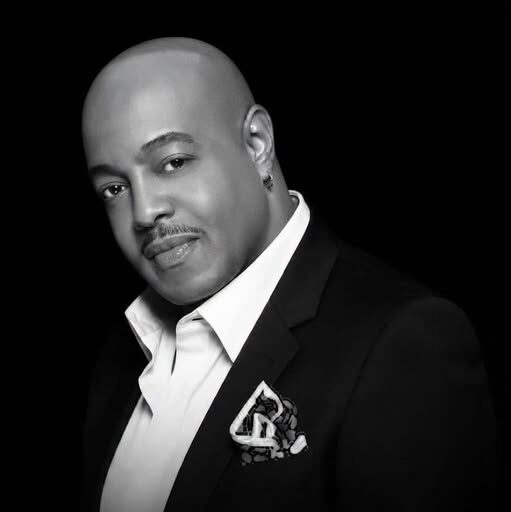
Peabo Bryson, Grammy-Winning Voice Behind “A Whole New World,” Dies at 75
The Beloved “Voice of Love” Leaves Behind Decades of Ballads, Duets, and Cherished Memories
Peabo Bryson, the Grammy-winning R&B singer whose smooth, powerful voice helped define some of the most memorable love songs and movie duets of the past five decades, died on June 2, 2026. He was 75.
Bryson died at a hospital in Marietta, Georgia, after suffering complications from a stroke. His family said he was surrounded by loved ones during his final moments.
For millions of listeners, the news felt deeply personal.
Bryson was not simply a performer whose songs appeared on the radio. His voice became connected to wedding ceremonies, first dances, reconciliations, anniversaries, quiet evenings, and memories of people falling in love.
His music often appeared during life’s most emotionally significant moments, making his death feel like the loss of someone who had been present in the background of countless personal stories.
A Voice That Made Love Songs Feel Personal
Peabo Bryson earned the nickname “The Voice of Love” through a career built on romantic ballads, emotional honesty, and soaring duets.
His delivery could sound intimate and restrained in one moment before rising into a powerful declaration in the next.
He sang about vulnerability without making it seem weak.
His songs explored longing, devotion, regret, reconciliation, and the fragile hope that love could survive difficult circumstances.
Listeners often felt as though he was not performing for a distant audience but speaking directly to one person.
Born in Greenville, South Carolina
Bryson was born Robert Peapo Bryson on April 13, 1951, in Greenville, South Carolina.
He grew up partly on his grandfather’s farm in nearby Mauldin and developed an early love of music through his mother, who introduced her children to performances by prominent Black musicians.
He began singing professionally while still in his teens, performing with regional groups before eventually attracting the attention of the recording industry.
His Professional Journey Began at a Young Age
Bryson was reportedly only 14 when he began singing backup with a local group.
As a teenager, he later toured with Moses Dillard and the Tex-Town Display, gaining valuable experience on the road.
His early years taught him how to perform for live audiences and strengthened the vocal style that would eventually make him internationally recognized.
A recording session in Atlanta led to an opportunity with Bang Records, where he worked as a writer, producer, and arranger before launching his own solo career.
His Solo Career Began Taking Shape in the 1970s
Bryson released early solo music during the 1970s before signing with Capitol Records.
His warm tenor and carefully controlled phrasing quickly distinguished him from many other R&B singers of the period.
He was capable of delivering sophisticated adult ballads without losing the emotional intensity of soul music.
Songs such as “Feel the Fire” and “I’m So Into You” helped establish him as a major romantic vocalist.
He Became One of Music’s Most Sought-After Duet Partners
Although Bryson achieved success as a solo performer, many of his most enduring recordings were collaborations.
His voice blended naturally with other singers, allowing both performers to retain their individuality while creating something larger together.
He recorded memorable duets with artists including Roberta Flack, Regina Belle, Céline Dion, Natalie Cole, and Minnie Riperton.
Bryson’s duet performances rarely sounded like competitions.
They felt like conversations between two people revealing emotions they could no longer keep hidden.
“Tonight, I Celebrate My Love” Became a Romantic Classic
One of Bryson’s most beloved recordings was “Tonight, I Celebrate My Love,” his duet with Roberta Flack.
Released in 1983, the song became an international success and a lasting favorite at weddings and anniversary celebrations.
Its gentle arrangement allowed Bryson and Flack to sing with warmth and restraint rather than overwhelming the message.
The song captured the feeling of two people choosing to honor their relationship in a private, meaningful moment.
Decades after its release, couples continued selecting it for first dances and romantic occasions.
His Partnership With Roberta Flack Produced Lasting Music
Bryson and Flack recorded the album Born to Love, which earned gold certification and strengthened his reputation as an exceptional duet vocalist.
Their voices complemented one another through a combination of softness, precision, and emotional depth.
The collaboration became one of the most recognizable chapters of Bryson’s career.
“If Ever You’re in My Arms Again” Showed His Solo Power
Bryson did not need a duet partner to create an unforgettable romantic recording.
“If Ever You’re in My Arms Again” became one of his signature solo songs.
The ballad expressed regret, longing, and the hope of receiving another chance at love.
Bryson’s performance moved gradually from quiet reflection toward a powerful emotional promise.
The song demonstrated why audiences trusted him with lyrics about love’s most vulnerable moments.
“Can You Stop the Rain” Became Another Signature Ballad
“Can You Stop the Rain” further strengthened Bryson’s reputation as a master of emotional R&B.
The song used the image of rain to represent loneliness and emotional pain.
Bryson’s delivery gave the lyrics a sense of lived experience.
He did not simply sing about sadness; he made listeners feel as though he understood the private ache of missing someone.
Disney Introduced His Voice to a New Generation
Bryson’s career reached another level during the early 1990s when he became associated with two of Disney’s most celebrated animated films.
His duet recordings for Beauty and the Beast and Aladdin introduced him to children and families who may not have known his earlier R&B work.
Those performances became part of the emotional identity of both films.
“Beauty and the Beast” Earned Grammy Recognition
Bryson recorded the title song from Disney’s Beauty and the Beast with Céline Dion.
The duet became a major success and earned the performers a Grammy Award.
The song’s sweeping arrangement and message about love growing beyond appearances suited Bryson’s emotional style perfectly.
His voice added warmth and maturity, while Dion’s performance brought a youthful clarity to the recording.
Together, they created a version that remains closely associated with the film.
Céline Dion Remembered Him With Affection
Following Bryson’s death, Céline Dion was among the artists who honored his memory.
She recalled the generosity and reassurance he offered during their collaboration, when she was still building her international career.
Their time together produced more than a successful recording.
It left Dion with a lasting memory of Bryson as a kind and supportive musical partner.
“A Whole New World” Reached No. 1
Bryson’s duet with Regina Belle, “A Whole New World,” became one of the defining songs of his career.
Recorded for Disney’s Aladdin, the ballad rose to the top of the Billboard Hot 100.
It became the first song from an animated film to reach No. 1 on that chart.
The song also earned Bryson another Grammy Award, confirming his ability to bring emotional depth to music designed for audiences of all ages.
Regina Belle Was More Than a Duet Partner
Bryson and Regina Belle shared a musical relationship that extended across several projects.
Belle described him as her official duet partner and someone she regarded like a brother.
After he suffered the stroke, she visited him in the hospital, held his hand, and softly sang music they had performed together.
Her tribute reflected more than professional admiration.
It revealed a deep friendship built over more than three decades.
Their Voices Made Listeners Believe in Possibility
“A Whole New World” expresses the wonder of discovering life through someone else’s eyes.
Bryson and Belle delivered the song with a sense of sincerity that prevented its grand arrangement from feeling artificial.
The recording became a favorite at weddings, concerts, talent shows, and family events.
Children encountered it through Aladdin, while adult listeners connected it to romance and new beginnings.
Two Grammys Cemented His Place in Music History
Bryson received Grammy Awards for “Beauty and the Beast” and “A Whole New World.”
The honors reflected his important contribution to two songs that became part of international popular culture.
Yet awards alone cannot fully describe his influence.
His voice entered homes, theaters, ceremonies, and private memories in ways no trophy could measure.
His Songs Became Part of People’s Most Important Moments
For many fans, Bryson’s music is inseparable from personal history.
One song may recall a first slow dance.
Another may bring back memories of a wedding ceremony, a long drive with someone loved, or a relationship that ended before either person was ready.
Because his music was so closely associated with emotion, hearing it again could instantly return listeners to a specific place and time.
He Made Tenderness Sound Powerful
Bryson’s greatest strength may have been his ability to sing gently without losing authority.
His performances did not treat tenderness as weakness.
He made emotional openness sound courageous.
Whether he was singing about devotion or heartbreak, his voice carried the confidence of someone willing to say what many listeners struggled to express.
His Music Crossed Genre and Generational Boundaries
Bryson’s career included R&B, soul, adult contemporary music, film soundtracks, and theatrical performance.
Older fans knew him from his solo ballads and collaborations with Roberta Flack.
Younger audiences discovered him through Disney.
Later generations encountered the same songs through streaming services, weddings, television performances, and family playlists.
He Also Performed on Stage
Beyond recording studios, Bryson appeared in theatrical and operatic productions.
His stage work included performances connected to productions such as Porgy and Bess.
These experiences reflected the range of his voice and his ability to move beyond conventional R&B performance.
He Continued Recording Across Five Decades
Bryson’s career lasted more than 50 years.
While musical trends changed around him, his central appeal remained consistent.
Listeners continued responding to his tone, phrasing, and emotional directness.
In 2018, he released Stand for Love, his 21st studio album.
The project showed that his commitment to romantic soul music remained strong long after his first major successes.
He Survived a Serious Heart Attack in 2019
Bryson experienced a heart attack in 2019 and was hospitalized in Atlanta.
He later recovered and returned to performing.
The health crisis gave fans an earlier reminder of how much his voice and presence meant to them.
His recovery allowed him to continue sharing music for several more years.
A Stroke Was Announced Days Before His Death
On May 31, 2026, representatives announced that Bryson had suffered a stroke and was receiving medical care.
Fans and fellow musicians responded with messages of support and prayers for his recovery.
Only days later, his family confirmed that he had died.
His Family Thanked Fans for Their Support
Following his death, Bryson’s family expressed gratitude for the love and concern shown around the world.
They emphasized that his voice, music, and generous spirit would remain part of his enduring legacy.
The response demonstrated how widely Bryson’s work had traveled and how strongly listeners felt connected to him.
Tributes Arrived From Across the Music World
Artists, collaborators, and fans shared memories of Bryson after the announcement.
Some praised his extraordinary vocal ability.
Others remembered his kindness, professionalism, and ability to make duet partners feel secure.
Many fans posted stories about the role his songs played in marriages, relationships, childhoods, and family traditions.
His Voice Was Instantly Recognizable
Bryson possessed a tone that listeners could identify within only a few words.
It was rich without becoming heavy and powerful without sounding forced.
He could hold a note with remarkable steadiness while still making it feel emotionally spontaneous.
That balance made him especially effective on cinematic songs requiring both technical control and genuine feeling.
He Never Sounded Like Background Music
Bryson’s recordings were often played during dinners, ceremonies, and quiet evenings.
Yet his voice rarely disappeared into the background.
Even within a crowded room, a rising chorus could pull attention back toward the song.
He made romantic music feel important rather than decorative.
His Duets Were Built on Generosity
A successful duet requires both singers to listen and respond.
Bryson understood when to take the lead and when to make space for another voice.
He supported his partners instead of overwhelming them.
That musical generosity may explain why so many of his most famous recordings feel balanced and emotionally convincing.
He Sang About Love Without Cynicism
Many popular songs focus on betrayal, conflict, or emotional distance.
Bryson was willing to sing openly about devotion and hope.
Even when his lyrics dealt with regret, they often preserved the possibility of healing.
His music suggested that love could remain meaningful despite disappointment and pain.
His Passing Leaves an Emotional Silence
For admirers, Bryson’s death creates a sense of silence after decades of hearing his voice during important moments.
There will be no new live performance of “A Whole New World” or another unexpected collaboration.
There will be no new interview in which he reflects on the songs audiences carried for years.
That absence is painful.
But the recordings remain.
His Songs Will Continue Reaching New Listeners
Every generation discovers music differently.
Some listeners first heard Bryson on vinyl records or radio broadcasts.
Others encountered him through Disney films on videotape, television, or streaming platforms.
Future audiences will continue discovering his voice through the same songs.
The emotional clarity of his performances does not depend on the era in which they were recorded.
“A Whole New World” Will Continue Inspiring Wonder
Each time the familiar introduction begins, Bryson’s voice will once again invite listeners into a world of possibility.
Children will learn the song through Aladdin.
Couples will choose it for important celebrations.
Singers will continue attempting the duet in concerts and auditions.
Bryson’s original performance will remain the standard many of them hear in their minds.
“Beauty and the Beast” Will Preserve His Tenderness
The Disney ballad’s message about finding love beneath outward appearances continues to resonate.
Bryson’s performance adds maturity and emotional reassurance to the song.
Each replay preserves a moment when his voice joined Céline Dion’s to create something timeless.
“Tonight, I Celebrate My Love” Will Remain at Weddings
Couples will continue selecting the duet for ceremonies and first dances.
Some may have no memory of its original release.
They will still understand the emotion Bryson and Flack placed inside it.
The song’s continued presence in celebrations ensures that his voice will remain connected to new beginnings.
His Music Will Also Stay With Those Who Are Grieving
Love songs do not belong only to happy moments.
They can become especially powerful after a relationship ends or someone dies.
Bryson’s music may now carry an additional layer of meaning for fans mourning him.
The voice that once helped them celebrate love may also help them remember what love leaves behind.
Charts Cannot Measure His Full Influence
Bryson achieved commercial success and received major awards.
Those accomplishments are important, but they do not explain why the announcement of his death affected so many people.
His greatest legacy lives in private memories.
It lives in the couple who chose one of his songs for their wedding.
It lives in the person who listened after a painful breakup and felt understood.
It lives in families who watched Disney films together and sang every word.
He Gave Listeners Language for Their Emotions
People often struggle to describe love, regret, or longing.
Bryson’s songs provided words and melodies for feelings that seemed too complicated to express directly.
Listeners could dedicate a song when ordinary conversation felt insufficient.
His music became a bridge between what someone felt and what they were able to say.
The “Voice of Love” Became Part of Cultural Memory
Bryson’s nickname reflected more than the number of romantic songs he recorded.
It represented the trust audiences placed in his voice.
When he began a ballad, listeners expected sincerity.
He rarely treated emotion casually.
That seriousness helped his music survive long after many trends surrounding it had changed.
His Final Years Were Still Filled With Music
Before the stroke, Bryson had reflected publicly on his long career and continued preparing new music.
Reports indicated that he had plans connected to a new album titled Grace and performances celebrating approximately 50 years in music.
The project is expected to provide fans with another connection to his artistry after his death.
He Is Survived by His Family
Bryson is survived by his wife, Tanya Boniface, their son, Kit, a daughter from an earlier relationship, and grandchildren.
Behind the celebrated singer was a husband, father, and grandfather whose loss will be experienced most deeply by those closest to him.
Remembering Peabo Bryson
Peabo Bryson began singing as a teenager in South Carolina and rose to become one of the most respected romantic vocalists in American music.
His career included solo R&B classics, internationally successful duets, two Grammy Awards, theatrical appearances, and songs attached to two of Disney’s most beloved films.
He died at 75 after complications from a stroke, leaving behind more than five decades of music.
The Voice Has Fallen Silent, but the Songs Have Not
Peabo Bryson will no longer step onto a stage and begin one of the ballads that made audiences fall quiet.
His voice, however, remains preserved in recordings that continue to carry love from one generation to another.
It will rise during wedding dances.
It will return through childhood memories of Beauty and the Beast and Aladdin.
It will play late at night when someone needs to remember how love once felt.
The grief surrounding his death will gradually soften, but the music will remain.
Whenever someone presses play and hears the opening notes of “Tonight, I Celebrate My Love,” “Beauty and the Beast,” or “A Whole New World,” Peabo Bryson will find his way back into another treasured memory.