
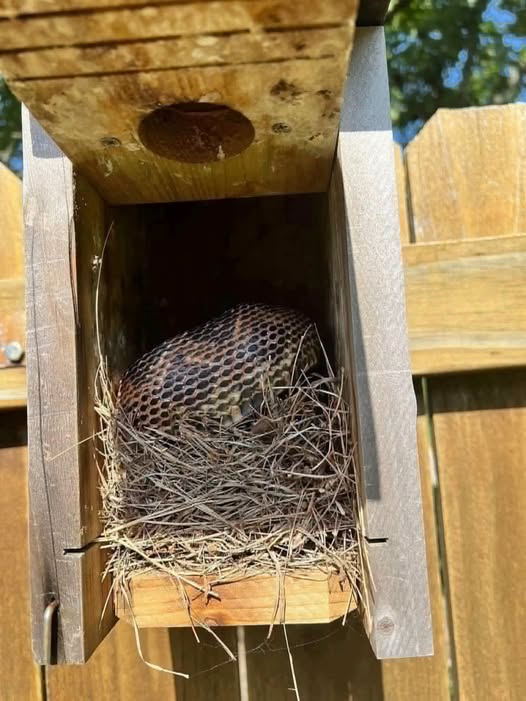
How to Make Your Yard Less Attractive to Snakes During Warmer Months
Why Snakes May Appear Around Homes and Yards
Finding a snake in your yard can be an unsettling experience, particularly during warmer months when snakes tend to become more active. Even though many snakes are harmless, their sudden appearance near patios, gardens, garages, or play areas can make homeowners uncomfortable.
Snakes often enter residential areas because a property provides something they need. Food, shelter, and easy access can all make a yard more appealing to them.
Taking practical steps to reduce those attractions can make a noticeable difference. A cleaner, more organized yard is generally less inviting to snakes and to the rodents and insects that may draw them closer to a home.
Start by Removing Easy Food Sources
One of the most effective ways to discourage snakes is to reduce the animals they may be hunting. Rodents and insects can attract snakes, so controlling these food sources is an important part of prevention.
Fallen fruit should be collected regularly rather than left beneath trees. Fruit that remains on the ground can attract insects and small animals, creating a feeding area that may eventually draw predators as well.
Bird feeders also deserve attention. Seed that falls beneath a feeder can attract rodents, particularly when it accumulates over time.
Keeping the area beneath bird feeders clean can help reduce this problem. Using feeders carefully and avoiding excessive seed on the ground can make the surrounding area less attractive to unwanted visitors.
Pet food is another potential food source. Bowls of food left outside may attract rodents, insects, or other animals, especially overnight.
When possible, pet food should be kept indoors when it is not being used. Food containers should also be stored securely so that pests cannot easily reach them.
Keep Trash and Waste Properly Secured
Household trash can become another attraction if garbage containers are left open or poorly sealed. Food waste inside trash bags can draw rodents and other small animals toward the property.
Keeping garbage securely contained can help reduce this activity. Trash areas should also be kept as clean as possible, especially when food scraps or spilled liquids are involved.
The goal is not simply to remove snakes directly. It is to make the property less appealing to the creatures snakes may be searching for.
Maintain a Neat and Open Yard
Yard maintenance plays a major role in reducing hiding places. Tall grass, thick weeds, leaf piles, and scattered debris can create sheltered spaces where snakes may remain unnoticed.
Keeping grass trimmed can make the yard more open and easier to inspect. Regular mowing also reduces areas where snakes may feel hidden from people and other animals.
Weeds should also be controlled, particularly around fences, sheds, garden beds, and the edges of buildings. Dense vegetation can create cool, protected areas that may provide temporary shelter.
Removing unnecessary piles of leaves can further reduce hiding opportunities. Leaf piles often create dark, covered spaces where insects and small animals may gather.
Remove Unnecessary Debris and Stored Materials
Objects left on the ground for long periods can provide convenient cover. Pieces of lumber, unused building materials, buckets, boards, old equipment, and other debris can create spaces that are difficult to see beneath.
Homeowners can reduce these hiding places by keeping outdoor areas organized and removing objects that are no longer needed.
If materials must remain outside, they should be arranged neatly rather than scattered across the yard. Keeping the ground visible makes it easier to notice animal activity and reduces protected spaces.
Store Firewood Carefully
Firewood piles can also provide shelter, especially when logs are stacked directly on the soil. The spaces between pieces of wood can create dark areas where small animals may hide.
Firewood should be stacked neatly whenever possible. Keeping it raised off the ground can further reduce the number of sheltered spaces underneath the pile.
An organized wood storage area is also easier to inspect before logs are moved or carried indoors.
Inspect the Outside of Your Home
Keeping snakes away from the yard is only part of the challenge. Homeowners should also inspect the exterior of the house for possible openings that could allow an animal to enter.
Gaps beneath doors are a common place to check. Doors that do not close tightly may leave enough space for small animals to move underneath.
Foundation cracks should also be inspected carefully. Even small openings around the lower portions of a building may provide access to protected indoor spaces.
Damaged window or ventilation screens can create additional entry points. Screens should fit securely and should be repaired if they have holes or tears.
Openings around pipes, cables, and utility lines should receive similar attention. Areas where services enter the building may have small gaps that can be properly sealed.
Seal Entry Points Before They Become a Problem
Preventive maintenance is generally easier than dealing with an animal that has already entered a garage, basement, shed, or home.
After identifying gaps or damaged areas, homeowners can seal them properly using materials appropriate for the specific opening.
Doors, screens, foundations, and utility entry points should be checked periodically because conditions can change over time.
Weather, normal wear, and building movement may create new openings that were not previously present.
What About Strong-Smelling Snake Repellents?
Some homeowners try to discourage snakes using strong-smelling substances. Citrus, cinnamon, and clove are among the scents sometimes placed around patios, walkways, or other outdoor areas.
However, these approaches are not guaranteed to keep snakes away. A scent may be noticeable to people without creating a reliable barrier for snakes.
For that reason, strong smells should not replace basic property maintenance. Removing food sources, reducing shelter, and sealing access points remain more dependable steps.
Use Caution With Chemical Products
Chemical products should be handled carefully around homes, especially when children, pets, and wildlife may come into contact with treated areas.
Mothballs are one example that requires caution. They can be harmful when used improperly and should only be used in ways that follow their label instructions.
Homeowners should avoid assuming that a powerful smell automatically makes a product safe or effective outdoors.
Any chemical product should be treated as something that requires careful handling and proper use.
Why Habitat Control Is More Reliable
Trying to repel snakes after they arrive can be less effective than preventing the conditions that attracted them in the first place.
A yard with fewer rodents, fewer insects, shorter vegetation, less debris, and fewer protected hiding spaces gives snakes fewer reasons to remain nearby.
Sealing openings around the home adds another layer of protection by reducing the chance that a snake can move indoors.
These steps work together. No single action provides complete prevention, but consistent maintenance can significantly reduce the likelihood of regular snake activity.
What to Do If You Find a Snake
If a snake appears in the yard, staying calm is important. Most snakes will avoid people and may leave the area when they are given enough space.
A safe distance should be maintained rather than approaching the animal closely.
Homeowners should not attempt to catch or handle an unfamiliar snake, especially when the species cannot be confidently identified.
Trying to move a snake by hand can create unnecessary risk and may cause the animal to become defensive.
Give the Snake Space to Leave
When a snake is simply crossing a yard or resting temporarily, allowing it to move away on its own may be the safest response.
People and pets should be kept away from the area while the snake is present.
Avoid surrounding the animal or blocking its path. Giving it room to retreat can reduce the chance of a stressful encounter.
When Professional Help May Be Appropriate
Some situations may require additional assistance. A snake that remains in a dangerous location, enters a building, or cannot safely leave may need to be handled by someone with appropriate experience.
In these circumstances, a qualified wildlife removal professional can be contacted.
Professional assistance can be especially useful when the snake’s species is unknown or when the animal is located near children, pets, doorways, or other frequently used areas.
Make Yard Maintenance a Regular Habit
Snake prevention works best when it becomes part of routine property care rather than a one-time cleanup.
Grass and weeds should be kept under control throughout the warmer months. Leaf piles and unnecessary debris should be removed before they become permanent hiding places.
Food sources should also be managed consistently. Fallen fruit, birdseed, pet food, and unsecured trash can quickly attract small animals if they are overlooked.
Firewood and stored materials should remain organized, while the home’s exterior should be checked periodically for new openings.
A Simple Approach Can Make a Big Difference
Seeing a snake does not necessarily mean a property has a serious problem. Many snakes simply move through an area while searching for food, shelter, or a safe route to another location.
Still, homeowners can make their yards less appealing by controlling the factors that encourage snakes to remain nearby.
Removing food sources helps reduce rodents and insects. Trimming vegetation reduces cover. Cleaning up debris removes hiding places, and sealing exterior gaps can help protect the home itself.
Strong-smelling substances may be used by some homeowners, but they should not be considered a guaranteed solution. Practical property maintenance remains the more reliable strategy.
Keeping Your Property Less Inviting to Snakes
A tidy yard, secure food storage, controlled vegetation, organized firewood, and properly sealed entry points can all contribute to a safer and less attractive environment for snakes.
If a snake does appear, the safest response is usually to remain calm, keep your distance, and avoid handling an animal you cannot identify.
When necessary, a qualified wildlife removal professional can assist with snakes that remain in dangerous areas or cannot safely leave on their own.
Consistent maintenance cannot guarantee that a snake will never cross a property, but it can reduce the conditions that encourage snakes to stay. By focusing on food, shelter, and access, homeowners can take practical steps to make their yards less appealing to unwanted snake visitors.