
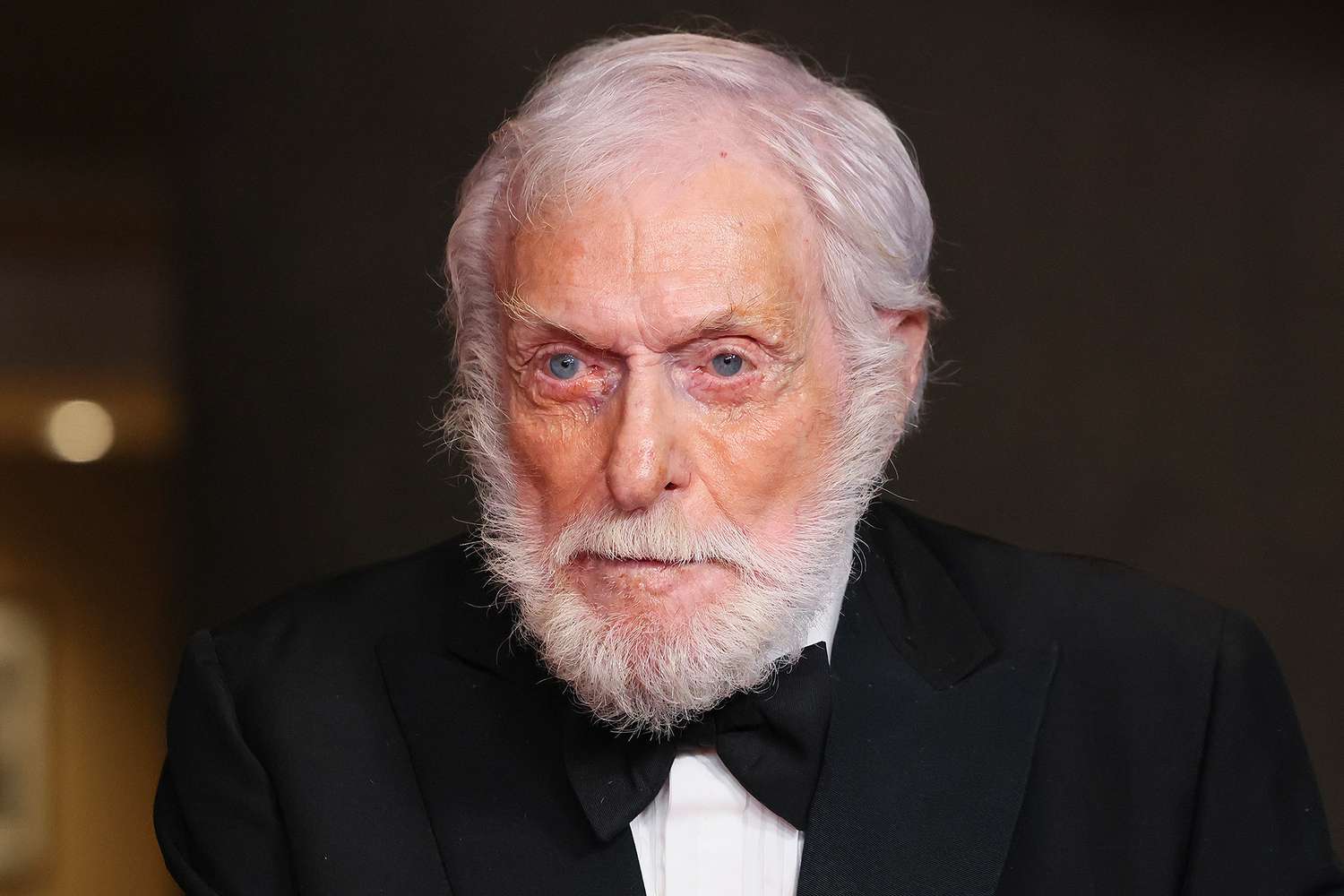
Dick Van Dyke Reaches 100 as Research Highlights the Possible Power of Optimism and Purpose
A Milestone Birthday for a Hollywood Legend
At the end of 2025, Dick Van Dyke reached a milestone few people ever experience.
The beloved actor, long associated with an energetic personality, a warm sense of humor, and his unmistakable ability to perform with a “twinkle in his eye,” turned 100 years old.
Just before reaching the century mark, Van Dyke published a book titled 100 Rules for Living to 100: An Optimist’s Guide to a Happy Life.
The title reflected an attitude he had carried through much of his life.
“I never wake up in a bad mood,” he said ahead of the book’s publication.
For someone who had lived for a full century, that statement was striking.
It also raised a broader question that scientists have been increasingly interested in exploring: could optimism itself play a role in helping people live longer?
Optimism May Be More Important Than It Seems
There is no single formula that guarantees a person will live to 100.
Genetics, lifestyle, health conditions, relationships, activity levels, and simple chance can all influence how long someone lives.
Even so, growing evidence suggests that maintaining a positive outlook may be one factor associated with greater longevity.
Health scientist Jolanta Burke discussed this idea in 2025, noting that research had increasingly linked optimism with longer life expectancy.
“Numerous studies have shown that keeping stress levels low and maintaining a positive, optimistic outlook are correlated with longevity,” she noted.
The finding does not mean positive thinking alone can prevent illness or guarantee a long life.
Instead, optimism may be one part of a larger pattern of behaviors and emotional habits that support healthier aging.
A Long-Term Study Offered an Early Clue
One of the most interesting examples comes from a long-term study involving novice nuns that began in the 1930s.
When the participants were young, they were asked to write about their lives.
Researchers later examined those writings and compared the emotional tone expressed by the women.
Approximately six decades later, an important pattern emerged.
The participants who had expressed more positive emotion in their earlier writing lived an average of ten years longer than those who expressed less positivity.
That finding became one of the notable examples suggesting that emotional outlook may be linked with longevity over very long periods of time.
It also supported the idea that optimism may reflect more than temporary happiness.
A generally positive way of approaching life could potentially influence how people experience stress, relationships, setbacks, and daily decisions across many decades.
A 2019 Study Found Another Connection
More recent research has also examined the relationship between optimism and life expectancy.
A 2019 study from the United Kingdom found that optimism was associated with living longer.
The difference was substantial.
Optimistic participants were associated with lifespans that were up to 15 percent longer on average.
The researchers also looked at what they described as “exceptional longevity.”
This referred to living to the age of 85 or beyond.
Across two large groups of participants, people who displayed higher levels of optimism had greater odds of reaching that age range.
The findings strengthened the argument that psychological outlook may deserve a place alongside more familiar discussions about diet, exercise, and genetics.
Why Would Optimism Be Connected to Longer Life?
Scientists do not yet have a single definitive explanation for why optimism may be associated with longevity.
Several possibilities, however, have been identified.
Positive states of mind are often connected with other parts of life that have also been linked to healthier aging.
These include happiness, a strong sense of purpose, fulfilling relationships, and lower levels of chronic stress.
Optimistic people may also be more likely to remain socially engaged, continue participating in meaningful activities, or recover emotionally from difficult experiences.
These factors may work together rather than independently.
Instead of optimism acting as a single protective force, it may be part of a broader lifestyle that supports both mental and physical health.
Relationships May Play a Major Role
One of the longest-running studies of happiness began in 1938.
Over nearly nine decades, participants were followed through questionnaires, medical examinations, interviews, and other evaluations.
The results repeatedly pointed toward the importance of close relationships.
The strongest predictor of a happy and meaningful life was not simply genetics.
Instead, the quality of people’s relationships and how satisfied they felt with their lives appeared to matter greatly.
Participants who felt most satisfied with their relationships with friends and family during middle age tended to be healthier when they reached 80.
They were also less likely to develop certain diseases and were more likely to recover when illness did occur.
Researchers have suggested that close relationships may help protect people from the damaging effects of everyday stress and anxiety.
Social Connection May Help Reduce the Burden of Stress
Stress is a normal part of life, but prolonged or overwhelming stress can affect both physical and emotional health.
Supportive relationships may help reduce that burden.
Having trusted friends, family members, or community connections can provide emotional reassurance during difficult periods.
That may make daily challenges feel more manageable.
Social connection can also provide companionship, motivation, and a stronger sense of belonging.
All of these experiences may contribute to the kind of positive outlook associated with healthy aging.
Van Dyke’s own emphasis on optimism fits naturally into this broader picture.
His longevity cannot be reduced to any single habit, but his attitude offers one example of how emotional well-being may interact with other areas of life.
Genetics May Explain Only Part of the Story
Some scientists estimate that reaching the age of 90 may be influenced by genetics to a much smaller degree than many people assume.
One estimate suggests that about 30 percent of the likelihood may be connected to genetics, while approximately 70 percent may be associated with health behaviors.
Those behaviors can include factors such as diet and physical activity.
A positive mental state may also belong somewhere within that larger category.
The idea does not suggest that people control every aspect of their lifespan.
Luck, inherited traits, unexpected illness, and circumstances outside personal control remain important.
Still, the research suggests that daily habits and emotional patterns may influence aging in meaningful ways.
Purpose May Be Another Important Ingredient
Optimism is not the only psychological factor associated with healthier aging.
A strong sense of purpose has also attracted scientific attention.
Some evidence has found that adults over the age of 50 who feel they have a clear purpose in life tend to experience better physical and mental health outcomes.
Purpose can come from many places.
It may involve work, family, creative activity, community participation, personal goals, or simply having responsibilities that make daily life feel meaningful.
The important element appears to be the feeling that life continues to contain direction and value.
Centenarian Families Offer Another Clue
Research involving centenarians and their families has also examined the role of purpose.
The largest and most comprehensive study of centenarians and their relatives in the world found evidence that the children of centenarians were more likely than the general population to report a strong sense of purpose.
That sense of purpose was linked with lower rates of disease, disability, and cognitive impairment.
The findings suggest that aging well involves more than simply avoiding illness.
Emotional satisfaction and a sense of meaning may also be important parts of the aging process.
“Aging well is not only escaping or delaying disease,” co-author and biostatistician Paola Sebastiani from Boston University said in 2018.
“Feeling good about your life is important and should be considered an important aspect of healthy aging.”
Staying Active May Also Matter
Van Dyke’s long life has also been accompanied by continued activity and engagement.
Remaining physically and socially active is frequently associated with healthier aging.
Another famous centenarian offers a similar example.
David Attenborough also reached the age of 100.
On his 90th birthday, he credited his longevity largely to luck.
Luck almost certainly plays some role in reaching such an advanced age.
However, Attenborough also continued working, remained deeply engaged with the natural world, and maintained both physical and social activity.
He has continued expressing little enthusiasm for the idea of retirement.
That ongoing sense of purpose fits closely with the research connecting meaningful activity to better health outcomes later in life.
There Is No Guaranteed Formula for Living to 100
Stories about centenarians often create a temptation to search for one secret habit that explains everything.
Reality is far more complicated.
No particular attitude, diet, exercise routine, relationship pattern, or daily ritual can guarantee that someone will reach 100.
People who live very long lives may benefit from a combination of genetics, health behaviors, social support, purpose, personality, medical care, and luck.
Optimism appears to be one potentially important part of that combination.
Its value may also come indirectly through the behaviors and relationships that often accompany a positive outlook.
Van Dyke’s Philosophy Reflects the Research
Van Dyke has described aging in a way that closely matches the complexity scientists are continuing to investigate.
In his earlier book Keep Moving: And Other Truths About Living Well Longer, he offered his own summary.
“Old age is part fact, part state of mind, part luck,” he wrote.
The statement recognizes that aging is neither entirely controllable nor entirely random.
Some elements are inherited.
Some depend on circumstances.
Others may be influenced by the way people live, think, connect with others, and continue finding reasons to remain engaged.
A Positive Outlook May Be Valuable at Any Age
The research surrounding optimism does not require someone to pretend that life is always easy.
Positive thinking is not the absence of difficulty, disappointment, illness, or grief.
Instead, optimism may involve maintaining a belief that meaningful experiences, relationships, and possibilities remain available even when circumstances are challenging.
That outlook may help people stay connected to others and continue participating in activities that provide purpose.
It may also help reduce the emotional impact of stress over time.
Those benefits can matter regardless of whether someone ultimately reaches 100.
More Than Just Adding Years
Van Dyke’s century of life has naturally drawn attention because reaching 100 remains unusual.
However, the broader lesson from the research is not simply about extending lifespan as much as possible.
The studies also emphasize quality of life.
Feeling connected, useful, engaged, and satisfied appears to matter greatly during the aging process.
That may be why researchers increasingly look beyond disease prevention when discussing healthy longevity.
Living longer is one outcome.
Living those years with purpose, relationships, curiosity, and emotional well-being may be equally important.
A Century Built on Movement, Purpose, and Optimism
At 100, Dick Van Dyke represents a striking example of longevity combined with enduring enthusiasm.
His positive attitude cannot by itself explain why he reached the century mark.
But emerging research suggests that optimism, meaningful relationships, physical and social activity, and a strong sense of purpose may all be associated with healthier and potentially longer lives.
Van Dyke’s own description of aging may therefore be particularly fitting.
Long life appears to involve facts that cannot be changed, choices that may influence health, a mindset that shapes daily experience, and a certain amount of luck.
A cheerful outlook and an energetic approach to life may not offer a guaranteed path to 100.
But the evidence suggests they may contribute to something almost as valuable: more meaningful, connected, and satisfying years along the way.