
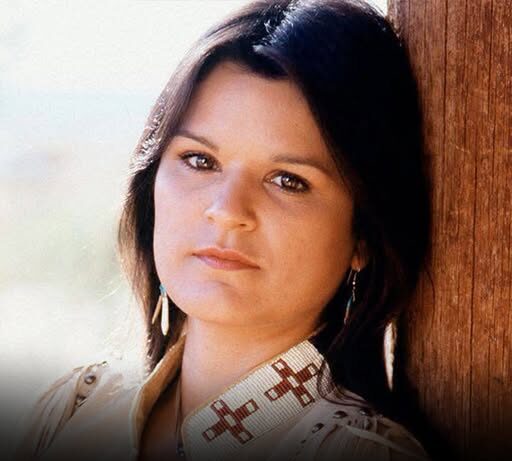
Indigenous Filmmaker and Actor Georgina Lightning Dies at 63 After Rodeo Incident
Trailblazing Advocate Opened Doors for Indigenous Voices in Hollywood
Georgina Lightning, the Canadian-born Indigenous actor, filmmaker and advocate whose career helped expand opportunities for Indigenous storytellers, has died at the age of 63.
Lightning died following a tragic incident during an Indian Relay event in Alberta on September 5. Her sudden death has devastated her family, friends, colleagues and members of the communities she supported throughout her career.
While the circumstances surrounding her death have drawn widespread attention, Lightning’s life was defined by far more than its final moments. She spent more than three decades acting, directing, producing, coaching performers and advising productions on cultural matters.
Her work in front of and behind the camera challenged barriers that had historically limited Indigenous participation in the entertainment industry. She also helped create opportunities for other filmmakers to tell their own stories.
Fatal incident at the Enoch Rodeo Grounds
Lightning was attending the Indian Relay competition at the Enoch Rodeo Grounds on the Enoch Cree Nation when the incident occurred.
She was working on a documentary about the competition and taking photographs from a designated media area. During the event, a horse veered away from its expected course and struck her.
Alberta RCMP officers responded at approximately 6:40 p.m. Paramedics attempted to save Lightning, but she was pronounced dead at the scene.
Alberta’s workplace-safety regulator has opened an investigation into the circumstances surrounding the incident.
The Enoch Cree Nation confirmed that the community was “mourning the loss of a community member following an incident at this evening’s Indian Relay event at the Enoch Rodeo Grounds.”
Community leaders also urged people to “refrain from sharing videos, photos, or speculation related to the incident on social media.”
The request reflected the sensitivity of the situation and the profound grief being experienced by Lightning’s relatives and those who witnessed the incident.
More than three decades in entertainment
Lightning built a varied career that extended across acting, filmmaking, production, education and cultural advocacy.
She became known to international television audiences through her portrayal of Lainie Proudfoot in the third series of the British comedy-drama Auf Wiedersehen, Pet.
Her other acting credits included The West Wing, Walker, Texas Ranger, Trickster, Three Pines, Dreamkeeper and Land. These appearances allowed her to work across television and film while bringing an Indigenous presence to widely viewed productions.
Lightning continued acting later in her life. She appeared in the 2025 film Die, My Love alongside Jennifer Lawrence and Robert Pattinson.
Although her work as a performer introduced her to viewers, her accomplishments behind the camera became an especially important part of her legacy.
 Instagram
A groundbreaking achievement in filmmaking
In 2008, Lightning wrote, directed and starred in Older Than America, a supernatural thriller featuring Adam Beach, Wes Studi and Bradley Cooper.
The production marked a historic achievement. Through the film, Lightning became the first North American Indigenous woman to direct a major feature film.
Taking responsibility for writing, directing and performing in the project gave her a significant degree of creative control. It also allowed her to help shape how Indigenous experiences and perspectives were presented on screen.
The accomplishment carried importance beyond one film. It demonstrated that an Indigenous woman could lead a major feature production while working with an established cast and addressing stories connected to Indigenous identity.
Lightning’s success helped establish an example for filmmakers who wanted to build careers in an industry where Indigenous creators had long faced limited access and representation.
Creating opportunities for Indigenous storytellers
Lightning did not limit her efforts to advancing her own career.
She helped establish initiatives intended to support Indigenous filmmakers and storytellers, including Tribal Alliance Productions and the Native Media Network.
These efforts strengthened her role as a mentor and advocate. She understood that lasting representation required more than individual appearances by Indigenous actors.
It also required writers, directors, producers and cultural advisers who could participate in decisions about how stories were developed and presented.
Through coaching and mentorship, Lightning encouraged younger performers and creators to enter the industry. Her experience allowed her to offer guidance informed by decades of navigating film and television production.
Her work as a cultural consultant also helped productions approach Indigenous subjects with greater awareness and respect.
Lightning became a role model for people who saw her career as evidence that established barriers could be challenged. Her influence reached beyond the characters she portrayed and the projects she directed.
Recognition for her work
Lightning’s contributions received recognition from organizations that celebrated film, cultural representation and emerging artistic voices.
Her work earned honors at the American Indian Film Festival, an event closely associated with Indigenous cinema and storytelling.
In 2010, she received the White House Project’s Epic Award for emerging artist. The recognition arrived two years after the release of Older Than America and reflected the growing attention surrounding her filmmaking achievements.
Awards represented only one part of her impact. Lightning’s larger contribution could be found in the opportunities she helped create and the performers she encouraged throughout her career.
Her combination of artistic work and advocacy made her much more than a familiar actor. She became an influential figure in efforts to strengthen Indigenous participation throughout the entertainment industry.
Her daughter shares her heartbreak
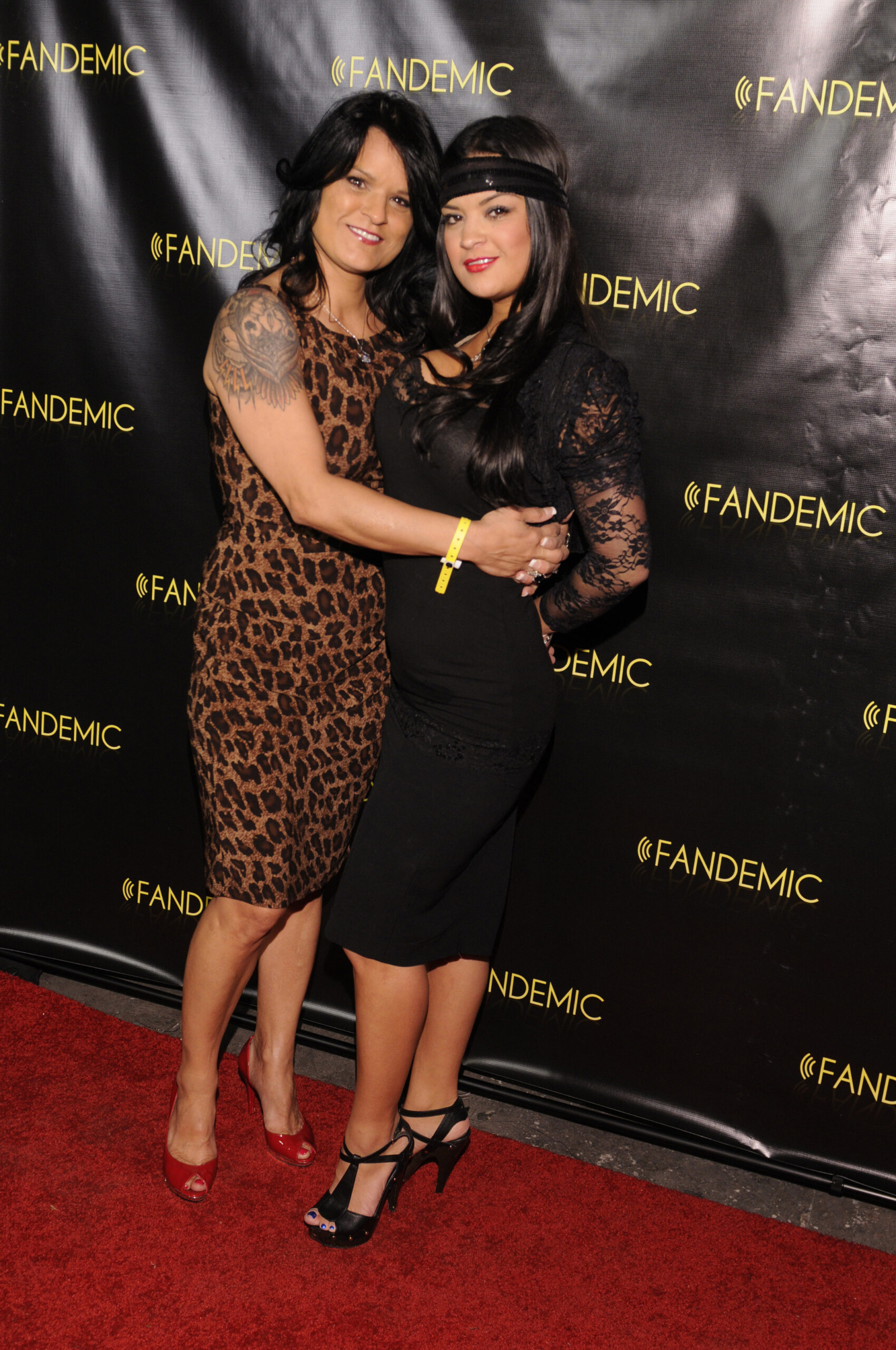
Lightning’s daughter Crystle, an actor whose credits include Yellowstone, The Good Doctor and Three Pines, shared a deeply personal tribute following her mother’s death.
”I have lost my mother, my sons’ Kohkum, my matriarch, my role model, my confidant.”
In another message, Crystle wrote that she felt “shattered in every way possible” as she tried to process the sudden loss.
She also remembered the last time she saw her mother before the rodeo event.
“I looked in your eyes and waved and said ‘have fun mama’.”
Her words captured the painful contrast between an ordinary goodbye and the tragedy that followed.
“I know eventually I’ll get some clarity and an understanding but right now I have none.
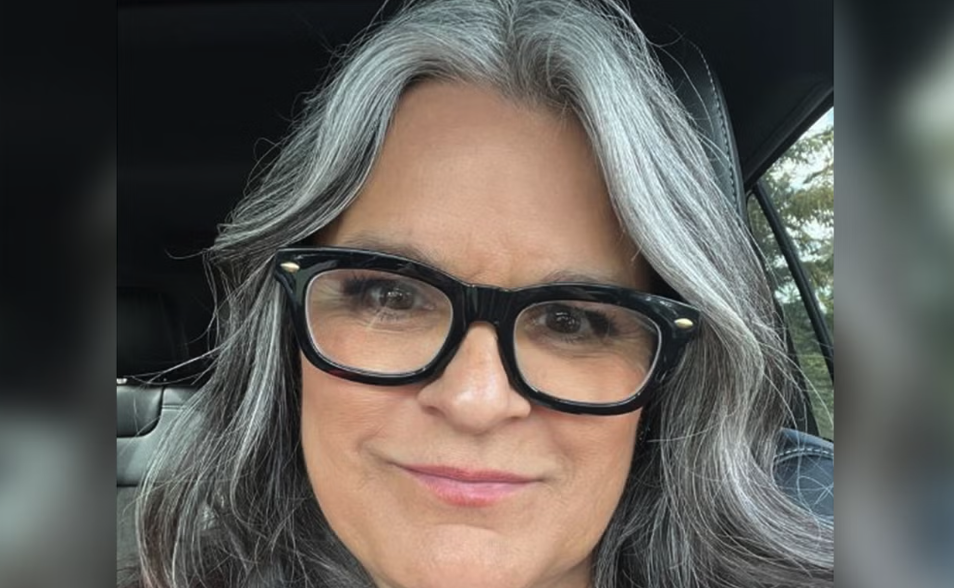
“I wish I could hold you one more time and touch your beautiful new silver hair.”
Crystle later asked her mother to “come to me in my dreams.”
“I’m channelling your strength. I need it more than ever in my life,” she wrote.
The tributes reflected the many roles Lightning held within her family. She was a mother, grandmother, matriarch, source of strength and trusted confidant.
Friends and former colleagues remember her
Actors and filmmakers who worked with Lightning also expressed their sorrow and remembered the warmth she brought to their lives.
Tim Healy, who appeared with her in Auf Wiedersehen, Pet, shared a brief tribute celebrating his experience of working alongside her.
“RIP Georgina lovely lady and a joy to work with.”
Canadian actor Jessica Matten sent condolences to Crystle and recalled spending time with Lightning only a few months earlier.
“I’m so sorry Crystle. Prayers to you and your family. I was with your mom in July and as always, she was the kindest, warmest human ever.”
Actor Lily Gladstone also expressed support for Lightning’s relatives. Gladstone became the first Native American woman to win a Golden Globe for Best Actress in a Motion Picture.
“Sending you and your family all my love.”
The messages shared a common image of Lightning as a kind and generous person whose warmth was felt by those around her.
They also showed the breadth of the relationships she developed during her decades in film and television.
A career dedicated to meaningful representation
Lightning worked during a period when Indigenous performers and filmmakers were fighting for greater control over the stories presented about their communities.
Throughout her career, she used her visibility and professional experience to help strengthen that effort.
Her acting roles brought Indigenous talent to major television programs and films. Her filmmaking allowed her to guide stories from behind the camera, where decisions about narrative, character and cultural presentation are made.
Her work as a producer helped transform ideas into completed projects. Her coaching supported performers developing their skills, while her cultural consulting helped others approach Indigenous stories with greater care.
Each part of her career contributed to the same larger purpose: ensuring that Indigenous perspectives could be seen, heard and treated with dignity.
Lightning’s influence cannot be measured only by the number of productions listed in her résumé. It also lives in the careers she encouraged, the initiatives she helped establish and the creative possibilities she demonstrated.
Remembering the woman behind the achievements
Her death at a documentary shoot was especially painful because she remained engaged in storytelling until the final day of her life.
She was documenting an Indian Relay competition, continuing the work that had defined so much of her career. Her presence at the event reflected her enduring connection to Indigenous communities, culture and creative expression.
The tragedy brought that work to an abrupt end, but it cannot erase the decades she spent creating change.
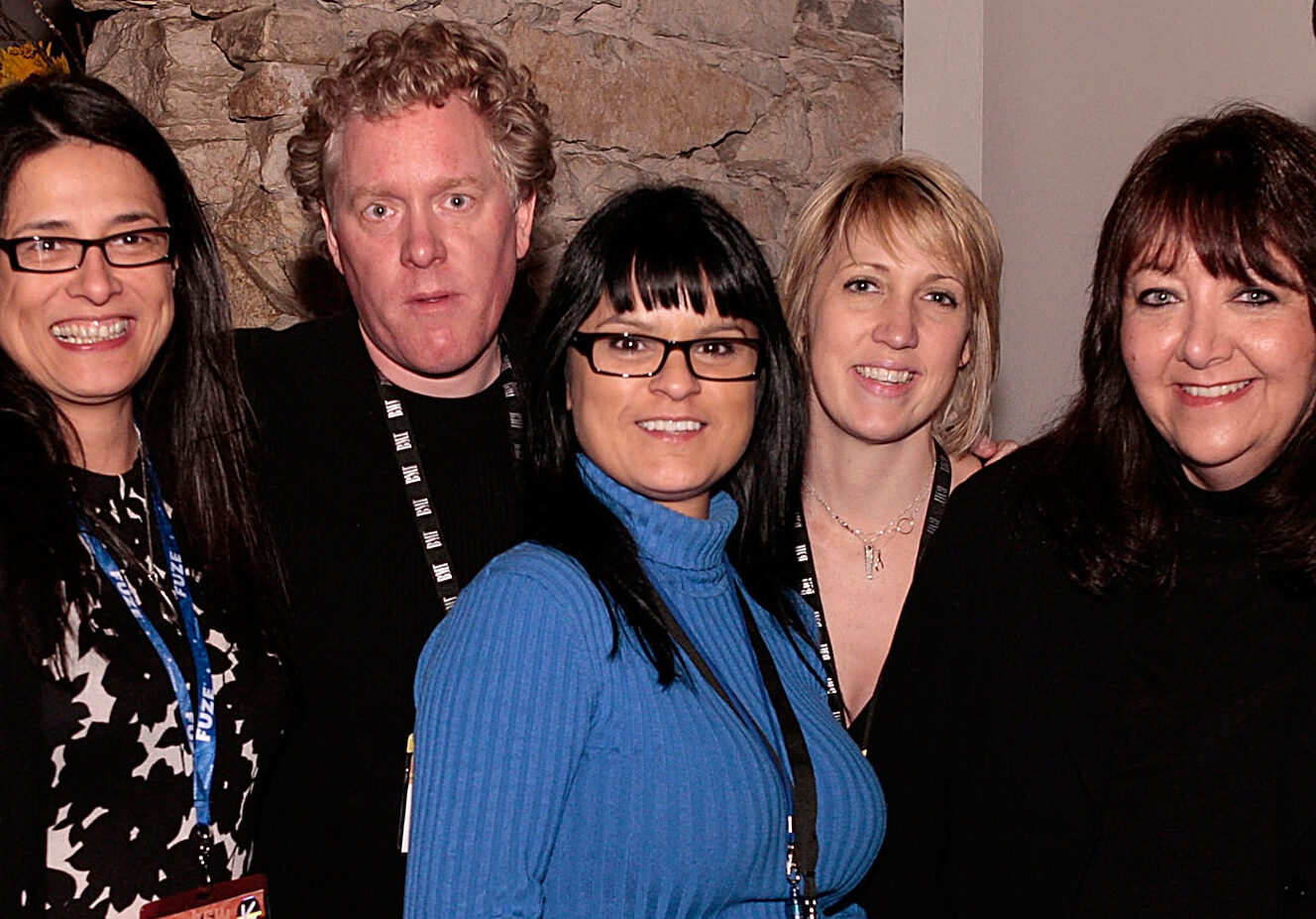
Family members remember their matriarch and confidant. Colleagues remember a warm person who was a pleasure to work beside. Emerging Indigenous artists can remember a woman who reached important milestones and then worked to make the path wider for those who followed.
These different parts of her life formed a legacy much larger than any single role or film.
Her influence will continue
Georgina Lightning is survived by her three children, all of whom have worked in acting.
Her creative influence therefore continues within her own family as well as across the wider community of performers and filmmakers she supported.
At 63, Lightning still had stories to tell, projects to pursue and people to guide. Her sudden death has left loved ones searching for clarity while an official investigation examines the incident.
Those closest to her have asked that attention remain focused on dignity rather than disturbing recordings or online speculation.
Lightning devoted more than 30 years to an industry that did not always provide Indigenous creators with equal opportunities. Through persistence, talent and leadership, she became an actor, writer, director, producer, teacher, mentor and advocate.
Her appearance in Older Than America established an important milestone, but her broader achievement was helping Indigenous storytellers claim a stronger place within film and television.
Her family and community now face the pain of losing her without warning. Yet the doors she opened remain, as do the performances, films and organizations shaped by her dedication.
Georgina Lightning will be remembered not only for breaking a major filmmaking barrier, but also for using that achievement to support others. Her career gave Indigenous stories greater visibility, and her influence will continue through the people she inspired.