
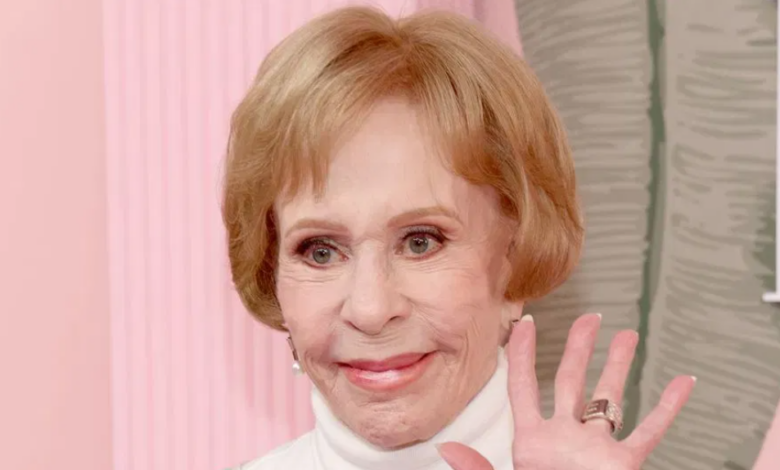
Carol Burnett’s Enduring Legacy Continues to Bring Generations Together Through Laughter
Why Carol Burnett’s Comedy Still Feels So Personal Decades Later
For generations of American television viewers, Carol Burnett has represented more than a successful comedian or familiar television personality. Her work became closely connected with a particular kind of family memory: people sitting together in front of the television, laughing until they could barely speak, and ending the evening in a better mood than when it began.
That connection helps explain why Burnett’s influence remains so strong. Her career produced memorable characters, celebrated sketches, musical performances, and movie parodies, but the emotional attachment many viewers feel toward her goes beyond individual performances.
Burnett developed a style of comedy that felt both polished and personal. Audiences could recognize the skill behind what she was doing while still feeling as though they were spending time with someone approachable and familiar.
A Television Era Built Around Shared Laughter
From 1967 through 1978, The Carol Burnett Show became a major showcase for sketch comedy, music, parody, and ensemble performance. The program brought together a cast whose chemistry became one of its defining characteristics.
Harvey Korman, Vicki Lawrence, Lyle Waggoner, and Tim Conway were among the performers who helped create the distinctive atmosphere surrounding the show. Each brought a different comic energy, giving Burnett opportunities to move between broad physical humor, character work, musical moments, and carefully timed reactions.
The series was built around preparation and performance, but some of its most memorable moments came when that preparation appeared to break down. Cast members sometimes struggled to remain composed as scenes became increasingly absurd.
Watching performers attempt to suppress their own laughter created another level of comedy for the audience. The viewers were not simply watching a scripted joke. They were also watching talented entertainers react to one another in real time.
That unpredictability became part of the program’s appeal. Even when the structure of a sketch was carefully designed, the laughter could feel spontaneous.
Why Burnett Felt Different to Viewers
Burnett had the ability to dominate a scene without making every moment about herself. She was comfortable allowing another performer to take over a sequence when the comedy demanded it.
That generosity helped strengthen the ensemble. The program was not dependent on one person delivering every punch line. Instead, much of its success came from the interaction among performers who understood how to build a scene together.
Burnett could react with a glance, a pause, a change in posture, or an exaggerated expression. Small physical choices often became central to the humor.
Her willingness to appear foolish also gave her comedy a particular warmth. She did not need every character to appear glamorous, dignified, or in control.
She could become exaggerated, frustrated, awkward, desperate, overly confident, or completely overwhelmed. Those qualities made the characters funny, but they also made them recognizable.
Behind the exaggeration were emotions familiar to ordinary people. Pride, insecurity, embarrassment, hope, irritation, and the desire to make a good impression could all become part of the comedy.
Comedy That Required Precision
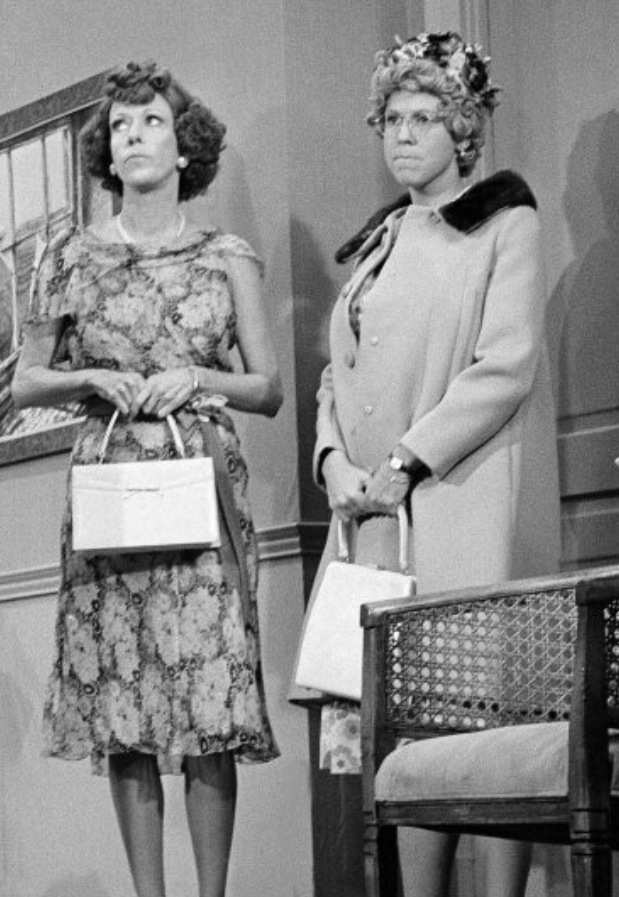
Although Burnett’s performances often appeared effortless, the humor depended on considerable control. Physical comedy works only when movement, timing, expression, and reaction come together correctly.
A pause that lasts slightly too long can become part of the joke. A sudden change in posture can communicate more than a full sentence. A surprised expression can turn an ordinary exchange into a memorable scene.
Burnett understood those details and repeatedly used them to transform simple situations into larger comic moments. She could move quickly from restraint to complete absurdity while still keeping the character understandable.
That balance helped her comedy reach viewers with different tastes. Some could enjoy the broad physical humor, while others appreciated the timing, performance technique, or interaction among the cast.
Her movie parodies also gave the show opportunities to combine recognizable dramatic styles with deliberately exaggerated comedy. Familiar situations could be reshaped through costumes, performances, reactions, and unexpected comic turns.
Creating Space for an Ensemble
One of the most important elements of Burnett’s television success was the strength of the group around her. The cast did not function simply as support for the star.
They became essential to the identity of the program. Audiences developed affection for the different personalities and comic styles that appeared throughout the series.
Harvey Korman could bring controlled seriousness into scenes that became increasingly chaotic. Tim Conway became especially effective at stretching moments until his fellow performers appeared unable to maintain composure.
Vicki Lawrence contributed her own strong character work, while Lyle Waggoner was part of the larger ensemble dynamic that helped give the series its recognizable rhythm.
Burnett’s leadership allowed those different styles to work together. She could remain at the center of the program while still making room for other performers to create memorable moments.
The result was a show where the relationships among the cast became as entertaining as the written material. Viewers were not only waiting for the next joke. They were also watching to see how one performer would react to another.
A Significant Role for Women in Television Comedy
Burnett’s place in television history also has particular importance because she stood at the center of a major comedy and variety series carrying her own name.
Her work demonstrated how broad the role of a female television performer could be. She could sing, act, lead an ensemble, perform physical comedy, move through parody, and shift between different characters within the same program.
She did not limit herself to one carefully protected image. Her comedy frequently required her to look ridiculous, lose control of a situation, exaggerate a character, or place humor above appearance.
That willingness helped expand expectations around women in televised comedy. Burnett showed that a female performer could lead a major production while embracing a full range of comic techniques.
Her success also placed her in a position where leadership and performance were closely connected. She was not simply appearing within someone else’s comedy format. She was the central figure of a program whose identity depended heavily on her range and personality.
Why the Memories Remain So Personal
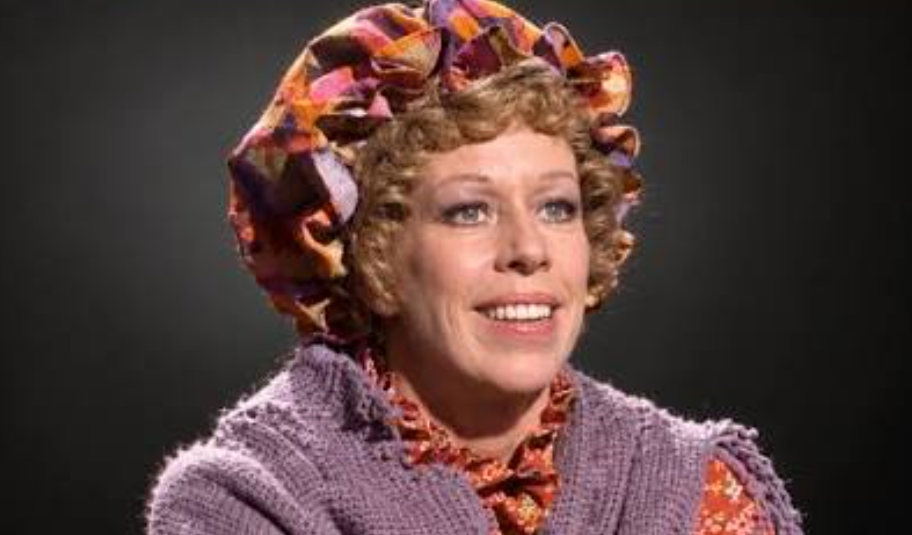
For many viewers, remembering Carol Burnett also means remembering the people who watched alongside them. Television programs often become attached to particular periods of life, and comedy can create especially strong associations.
A familiar sketch may remind someone of a parent laughing across the room. Another scene might bring back memories of sitting beside grandparents or gathering with siblings.
Those memories can become inseparable from the entertainment itself. The viewer remembers the joke, but also remembers who was there when the joke was first heard.
That helps explain why Burnett’s legacy has an emotional dimension that cannot be fully measured through professional achievements alone. The program became part of family routines and ordinary evenings.
Those evenings may not have seemed historically important at the time. They were simply moments when people gathered, watched television, and laughed together.
Years later, those ordinary experiences can take on greater meaning. A comedy sketch becomes a reminder of a home, a family member, or a period of life that has passed.
The Power of Shared Entertainment
Burnett’s work arrived in a format designed to be experienced collectively. Families could watch the same program at the same time, react to the same performers, and repeat favorite moments afterward.
The laughter created a sense of participation. Viewers were separated from the performers by a television screen, but the best moments could still feel surprisingly immediate.
Burnett contributed to that feeling by appearing comfortable with the audience. Her performances did not create unnecessary distance between the entertainer and the people watching.
Instead, there was often a sense that the audience had been invited into the joke. The comedy felt shared rather than delivered from a remote stage.
That quality helped turn a television program into something more personal. Burnett’s ability to connect with viewers allowed the entertainment to become part of their own lives and memories.
A Legacy Greater Than Awards and Milestones
Carol Burnett’s impact can certainly be discussed through television history, the longevity of her career, and the success of the program that carried her name. Yet those measurements tell only part of the story.
Her broader legacy can also be found in the countless private moments created around her work. A difficult day might temporarily disappear during a sketch. A household might become louder with laughter. A family might discover a favorite scene they would remember for decades.
Burnett helped prove that comedy does not need to be distant or complicated to become lasting. Sometimes its greatest power comes from making people feel included.
Her characters could be absurd, but the emotions underneath them remained understandable. Her performances could be highly skilled, but they rarely felt cold or overly calculated.
She could be the star while still sharing the stage. She could control the rhythm of a scene while remaining open to the unexpected reactions of the people around her.
That combination became central to her appeal and helped give her television work a lasting place in American popular culture.
The Laughter Continues
Decades after the original run of The Carol Burnett Show, the affection surrounding Burnett remains tied to the basic experience that first made her successful: people laughing together.
Her comedy gave viewers moments that could survive far beyond the original broadcast. The costumes, expressions, reactions, ensemble chemistry, and occasional inability of the performers to contain their own laughter created scenes that remained memorable long after the television set was turned off.
For those who watched during the show’s original years, those moments may carry an additional layer of nostalgia. They can recall not only Burnett and her cast, but also the rooms, relatives, and routines connected with watching them.
That is one of Burnett’s most enduring achievements. She did not simply create comedy that audiences admired. She helped create comedy that audiences felt belonged to them.
Her legacy continues through those shared memories: evenings filled with laughter, people briefly forgetting their worries, and families enjoying the simple pleasure of watching gifted performers make one another laugh.
Even through a television screen, Carol Burnett could make viewers feel as if they were part of the moment. That sense of connection remains one of the strongest reasons her work continues to be remembered with such lasting affection.