
MORE BELOW
10-Year-Old Tilly Smith Recognized the Warning Signs of a Tsunami — What She Remembered From School Helped People Reach Safety
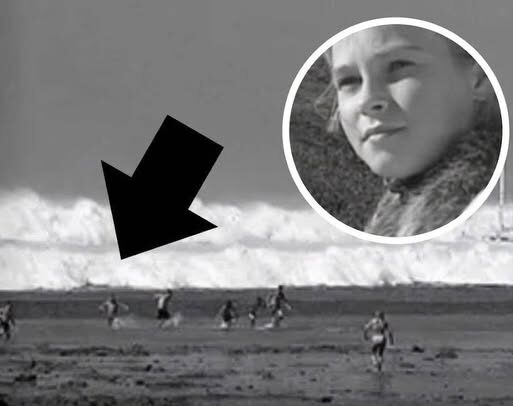
A Geography Lesson Suddenly Became Real When Tilly Saw the Sea Behaving Strangely at Thailand’s Mai Khao Beach
Tilly Smith was only 10 years old when something she had learned in a classroom suddenly became frighteningly real.
She was at Mai Khao Beach in Thailand during the 2004 Indian Ocean tsunami when she noticed that the sea was behaving strangely.
The water appeared to be receding in an unusual way.
To many people enjoying their time near the coast, the changing water might not immediately have seemed like a reason to leave.
But Tilly remembered something.
She had learned about warning signs like these during a geography lesson.
What she was seeing on the beach resembled what she had been taught could happen before a tsunami.
The Sea Suddenly Began to Look Wrong
The warning did not arrive in a form that everyone would automatically recognize.
There was no ordinary announcement explaining what was about to happen.
Instead, the clue was visible in the behavior of the sea itself.
Tilly noticed the water receding and behaving in a way that seemed unusual.
For a 10-year-old child, it would have been easy to dismiss what she was seeing.
But the scene reminded her of a lesson from school.
She realized that the unusual movement of the water could represent something much more serious than a normal change in the sea.
Tilly Remembered Her Geography Lesson
Not long before that day, Tilly had learned about tsunami warning signs in geography class.
The information might once have seemed like something intended mainly for a classroom.
But standing on Mai Khao Beach, she suddenly had a reason to remember it.
The receding water matched the kind of warning sign she had been taught to recognize.
Tilly began connecting what she remembered from school with what was happening directly in front of her.
That connection transformed an ordinary lesson into information that required immediate action.
She Realized a Tsunami Could Be Coming
Tilly understood that the strange behavior of the sea could mean a tsunami was approaching.
She did not simply keep the concern to herself.
She urgently told her parents what she believed was happening.
The warning was serious.
There was little value in waiting to see whether she was correct if the signs truly indicated an approaching tsunami.
Her parents listened as their daughter explained what she remembered from geography class.
The concern then reached hotel staff.
A 10-Year-Old Was Trying to Warn the Adults Around Her
The situation was extraordinary.
Tilly was a child surrounded by adults, yet she had recognized something important because the signs were familiar from her education.
She urgently tried to communicate what she knew.
The sea was not behaving normally.
She had learned that this kind of sudden change could occur before a tsunami.
That meant people near the coast could be in danger.
Her age did not make the information she remembered any less important.
The Warning Helped Trigger an Evacuation
Tilly’s warning did not remain a conversation between her and her parents.
Hotel staff became involved, and people began moving away from the dangerous area.
An evacuation was triggered before the massive waves reached the coast.
That timing was crucial.
The warning signs had appeared before the most dangerous part of the event reached the beach.
Recognizing those signs created an opportunity for people to move to safety.
The Massive Waves Had Not Yet Arrived
One of the reasons tsunami warning signs are so important is that the danger may not be immediately obvious to someone simply looking toward the water.
At Mai Khao Beach, the massive waves had not yet reached the coast when Tilly became alarmed.
What she noticed first was the unusual behavior of the sea.
That meant there was a period in which action could still be taken.
Instead of waiting for the approaching waves to make the danger undeniable, Tilly spoke up while there was still time to move.
Something Learned in School Became a Real-Life Warning
School lessons can sometimes feel distant from everyday life.
Students learn concepts, remember information and complete their work without knowing whether they will ever encounter those situations outside a classroom.
Tilly’s experience demonstrated how suddenly that can change.
A geography lesson about natural events became directly relevant while she was standing on a beach thousands of miles from the classroom where she had learned it.
The information was no longer theoretical.
It was unfolding in front of her.
Recognizing the Signs Was Only the First Step
Tilly’s knowledge mattered because she acted on it.
Recognizing that the sea looked strange was important, but keeping that observation to herself would not have helped the people around her.
She told her parents.
She made clear that she believed a tsunami could be approaching.
That warning reached hotel staff and contributed to the decision to evacuate.
The sequence happened before the massive waves reached the coast.
Her Parents Had to Take Her Warning Seriously
The story also depended on the adults around Tilly listening to what she was saying.
She was only 10.
It might have been easy to assume that a child’s fear about the sea was simply a misunderstanding.
Instead, her explanation was taken seriously enough for action to follow.
Tilly had a specific reason for being concerned.
She recognized warning signs that matched something she had recently learned.
Listening to that information gave people the opportunity to respond before the danger arrived.
The Beach Was Evacuated Before the Waves Reached the Coast
As the warning spread, people began leaving the area.
The evacuation occurred before the massive tsunami waves reached the coastline.
That distinction is central to what made Tilly’s observation so important.
Once the waves arrived, the situation would be entirely different.
Before their arrival, there was still an opportunity to create distance from the danger.
Tilly’s warning helped people recognize that they should not remain where they were.
The 2004 Indian Ocean Tsunami Turned the Lesson Into Reality
The event unfolding around Tilly was part of the 2004 Indian Ocean tsunami.
For Tilly, however, the first indication of what was happening came from what she could see directly in front of her.
The sea was receding.
Its behavior looked wrong.
Her geography lesson provided a possible explanation.
Instead of dismissing the connection, she treated it as an urgent warning.
Knowledge Gave Her a Reason to React
Without the lesson she remembered, the unusual movement of the water might have seemed confusing rather than dangerous.
Education gave Tilly a framework for interpreting what she was seeing.
She did not need to understand every detail of the event unfolding around her.
She only needed to recognize that the signs matched something she had been taught could precede a tsunami.
That was enough to make her speak up.
The Warning Came From an Unexpected Person
In an emergency, people may expect warnings to come from officials or other adults.
At Mai Khao Beach, one of the crucial warnings came from a 10-year-old girl remembering her geography lesson.
Her age did not prevent her from noticing what others had not yet recognized.
She looked at the sea, remembered what she had learned and understood that the situation could be dangerous.
Then she urgently communicated that concern to the people around her.
There Was No Time to Treat the Warning Casually
Tilly could not know how much time remained before the waves arrived.
That made urgency essential.
If the strange movement of the sea really was a tsunami warning sign, waiting for additional confirmation could have consumed the time available for people to move.
Instead, her concern helped start action while the beach could still be evacuated.
Only afterward would the approaching waves confirm just how important the warning had been.
The Lesson Stayed With Her When It Mattered Most
Children learn enormous amounts of information in school, and much of it may not appear immediately relevant to their everyday lives.
Tilly’s experience showed why remembering that information can matter.
She had been taught how a tsunami could reveal itself through changes in the sea.
When she encountered similar signs in real life, she recognized them.
The knowledge did not remain inside the classroom.
It traveled with her to Thailand and became something she could use when circumstances demanded it.
One Observation Helped People Move Away From Danger
Tilly did not stop the tsunami.
She could not change what was happening in the Indian Ocean.
What she could do was recognize the warning signs and tell people around her.
That distinction mattered.
The approaching waves could not be prevented, but people could move away from the immediate danger if they understood what was coming soon enough.
Her warning helped provide that opportunity.
Her Story Became a Powerful Example of Why Awareness Matters
Tilly was only 10 years old when she found herself facing a situation she had previously encountered only as part of a lesson.
She noticed the sea suddenly receding and behaving strangely at Thailand’s Mai Khao Beach.
She remembered that those changes could indicate an approaching tsunami.
She urgently warned her parents.
Hotel staff were alerted, and an evacuation followed before the massive waves reached the coast.
What began as information learned during a geography lesson became a real-life warning when it mattered most.
A Classroom Lesson Became Something Much Bigger
Tilly’s experience remains striking because the sequence began with something so simple: a child remembering what she had been taught.
She observed something unusual.
She connected it with knowledge she already had.
And instead of remaining silent, she spoke up.
The adults around her listened, allowing people to move toward safety before the waves arrived.
At only 10 years old, Tilly demonstrated how knowledge, awareness and the willingness to raise an alarm can become extraordinarily important when circumstances suddenly change.
On that day at Mai Khao Beach, a geography lesson was no longer simply something she had learned at school.
It became a warning she recognized in the real world, and one that helped people move away from danger before it reached the coast.