
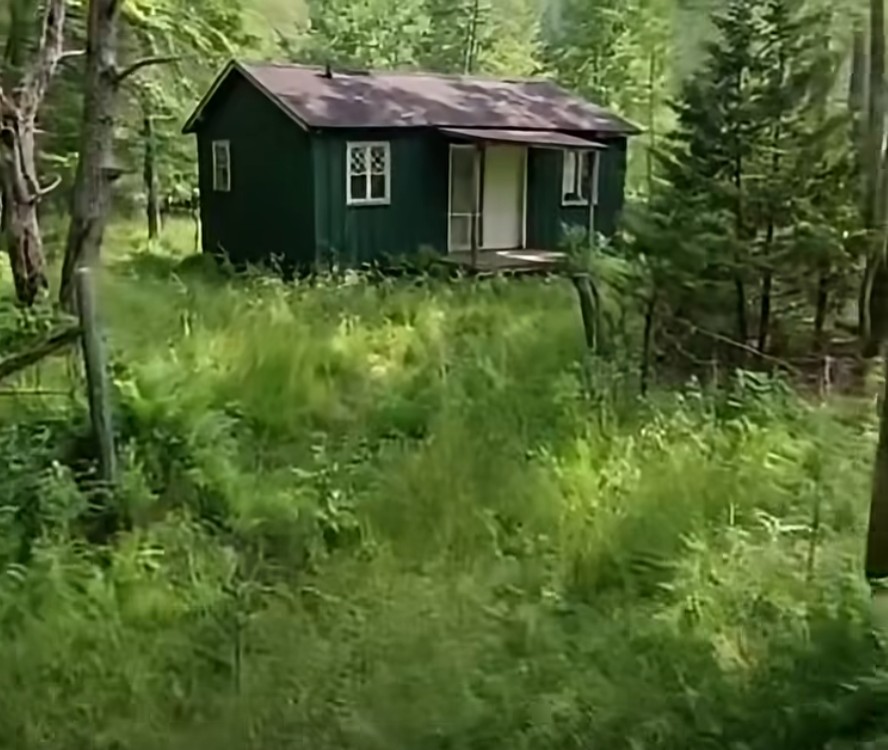
Cabin Living in Southeastern Ohio: The Appeal and Responsibilities of a Simpler Life
Wooded Landscapes Offer a Setting for a Different Daily Routine
For people reconsidering crowded schedules, rising expenses, and constant digital interruptions, a cabin in the countryside can represent an opportunity to reorganize daily life. Southeastern Ohio’s hills, forests, and quiet valleys provide an appealing setting for that change.
The attraction extends beyond the appearance of a small home surrounded by trees. Rural living can create more opportunities for gardening, outdoor recreation, practical projects, and time with family and friends.
Some people are interested in a modest cabin with familiar utilities. Others want to explore off-grid systems that reduce their dependence on public infrastructure.
Both approaches involve decisions about comfort, responsibility, and how time is spent. A smaller home may simplify some routines, while maintaining a rural property can introduce work that an urban household rarely encounters.
The most useful picture of cabin living includes both sides. Peaceful surroundings can be rewarding, but a lasting move requires careful attention to access, services, income, and maintenance.
Making Room for Everyday Priorities
The desire for a simpler lifestyle often begins with dissatisfaction about how daily life feels. Work demands, traffic, technology, and household commitments can leave little room for activities that people find personally meaningful.
A move to the countryside offers a chance to reconsider those priorities. Instead of organizing life around crowded routines and accumulating possessions, residents may choose to devote more attention to relationships, outdoor activities, and their immediate surroundings.
A small cabin can support that intention by encouraging more deliberate choices about belongings. Limited space makes organization important and prompts residents to consider which items they use and value.
However, simplicity is not determined by square footage alone. A smaller house still requires upkeep, and a rural location still brings financial and practical obligations.
The change becomes meaningful when the household’s routines reflect its priorities. For one person, that may mean growing vegetables; for another, it may mean spending an evening outside or making time for a woodworking project.
A Landscape That Encourages Outdoor Living
Southeastern Ohio’s rolling hills, wooded areas, and scenic countryside are central to its appeal. These surroundings provide a setting where seasonal changes and wildlife can become more noticeable parts of everyday experience.
Walking through the woods, watching a sunrise, or sitting outdoors in the evening can take on greater importance when nature is close to home. Such activities need not be elaborate to become valued routines.
The region also offers opportunities for hiking, fishing, and camping. For people who enjoy those pursuits, living in a rural area can help place outdoor interests closer to the center of daily life.
That proximity also brings responsibility. The land surrounding a cabin needs thoughtful care if its natural character is to be preserved.
Protecting wooded areas, conserving water, and maintaining healthy soil are part of living responsibly in the landscape. Appreciation for the setting becomes more substantial when it shapes how the property is managed.
Cabin Living and Off-Grid Living Are Different Choices
A cabin does not have to operate independently of public utilities. Its size and style describe the home, while its electricity, water, and waste systems determine how it functions.
Off-grid living involves developing alternatives to conventional utility connections. Those alternatives may include solar panels and battery storage, appropriately designed water systems, and suitable arrangements for managing waste.
Rainwater collection, composting toilets, and wood-burning stoves are among the possibilities associated with this approach. Home gardens can also contribute fresh vegetables and herbs to the household.
Each system introduces planning and maintenance requirements. Greater independence means taking a more direct role in keeping essential services functioning.
The suitability of an arrangement depends on the property, household needs, and applicable local requirements. A feature that sounds appealing in a general description still needs to be evaluated as part of a complete living system.
For that reason, off-grid living is best understood as an infrastructure decision as well as a lifestyle preference. The goal is a dependable home, with systems that residents understand and can maintain.
Essential Services Can Shape the Experience
Privacy and distance from urban activity may be desirable, but those same distances affect access to everyday necessities. Grocery shopping, school journeys, and healthcare appointments can require more travel.
Transportation therefore belongs in the regular household budget. It also needs to be considered when planning for emergencies or severe weather.
Internet access is another property-specific concern. A quiet location may suit remote work in principle, yet an unreliable connection can make that arrangement difficult in practice.
Electricity, heating, and water availability also deserve attention before a move. These are continuing requirements that remain important regardless of how modest or attractive a cabin appears.
Understanding those practical conditions helps establish whether a property supports the intended lifestyle. It also reduces the risk of choosing a location primarily for its appearance while overlooking daily needs.
Practical Skills Become Part of Home Life
Cabin owners may take a more active role in repairs, improvements, and property care. Over time, those responsibilities can create opportunities to learn skills that are useful well beyond a single project.
Gardening, woodworking, basic plumbing, food preservation, and home maintenance are among the abilities associated with rural living. Households using alternative energy systems may also need to understand their equipment’s maintenance requirements.
Learning can take place through workshops, community groups, and educational resources. Advice from experienced neighbors can also help newcomers understand the routines and challenges of their surroundings.
Developing competence takes time. The satisfaction of completing a task independently is one potential reward, but realistic planning includes recognizing what still needs to be learned.
A willingness to develop practical knowledge can make the transition more manageable. Independence grows through preparation and experience rather than simply through moving farther from town.
Community Connections Matter Alongside Privacy
Rural life can provide personal space without requiring social isolation. Farmers markets, local events, volunteer activities, and neighborhood gatherings offer opportunities to meet people and participate in community life.
For newcomers, those connections can help an unfamiliar place become a home. They also provide a way to understand local customs and learn from people with established knowledge of the area.
Southeastern Ohio’s history includes farming communities and traditional crafts. Supporting artisans, attending celebrations, and learning about local history can deepen a resident’s connection to the region.
Activities such as quilting, woodworking, gardening, and preserving food also carry practical knowledge between generations. Participating respectfully allows newcomers to contribute while appreciating what already exists.
Maintaining relationships beyond the immediate community remains valuable too. Moving away from friends and relatives can bring loneliness, making continued contact an important part of long-term adjustment.
Income and Expenses Still Require Careful Planning
Remote employment has made rural living possible for some people whose work once kept them close to urban workplaces. A cabin can serve as both a home and a workplace when its essential services are dependable.
That arrangement requires suitable workspace, reliable electricity, and an internet connection capable of supporting the job. These needs should be evaluated before relying on a property for employment.
Other residents may pursue freelance work, creative projects, farming, or a small business. Whatever the income source, it needs to be considered alongside the costs of living in the chosen location.
Transportation, repairs, heating, utilities, and infrastructure can all affect the budget. A simpler-looking home does not automatically mean that every household expense will be lower.
A realistic financial plan makes room for routine obligations and unexpected maintenance. It helps distinguish an attractive idea from an arrangement that can be sustained.
Preparing for a Move That Lasts
Before committing to a rural property, prospective residents need to understand its boundaries, access rights, and relevant building or zoning requirements. Water sources and waste systems also need close consideration.
The same review should include electricity, internet availability, healthcare access, and transportation. Emergency planning matters because distance and weather can affect how help and essential supplies are reached.
Long-term maintenance deserves equal attention. A property must remain manageable after the excitement of the move has passed, through seasonal changes and ordinary wear.
For people seeking more outdoor time and fewer distractions, cabin living in southeastern Ohio offers an appealing possibility. Its strongest foundation is a clear understanding of what daily life there will involve.
The rewards can include closer attention to nature, stronger practical skills, and more deliberate use of time. Making those rewards sustainable requires a home, budget, and routine suited to the people who will live there.