
Why Unfamiliar Objects in Nature Make Us Stop and Look Again
An Ordinary Walk Can Become an Exercise in Observation
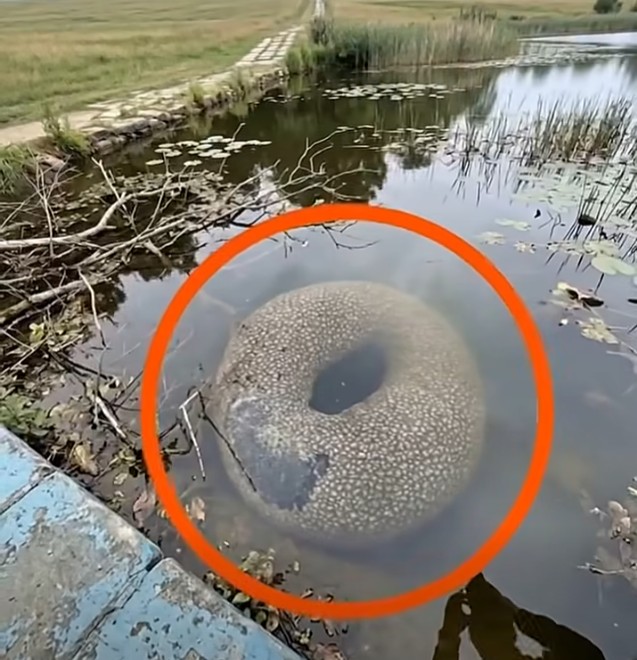
A quiet visit to a lake or a familiar walking trail can change when something unexpected enters the scene. An unusual shape on the water or an object beside the path may draw attention precisely because it does not immediately fit its surroundings.
The first response is often a question: what is it? An observer may recognize part of its outline without understanding the whole, leaving room for several possible explanations.
No particular object or confirmed discovery is identified here. Instead, the subject is the experience of encountering something unfamiliar and the different factors that influence how people interpret it.
Distance, reflections, previous experience and other people’s comments can all affect that interpretation. Recognizing those influences creates an opportunity to look more carefully before settling on an answer.
The result can be more than an identification. An unexpected sight may encourage someone to learn about a place, consider its environmental condition or become more aware of the assumptions they bring to an observation.
Familiar Surroundings Create Expectations
People develop an understanding of places they visit regularly. A garden, park or stretch of shoreline becomes familiar through repeated encounters with its features.
That familiarity can make a new detail stand out. Something that does not match the expected scene may interrupt the ordinary rhythm of a walk and encourage closer attention.
An unfamiliar shape is not necessarily extraordinary, however. It may simply be an everyday object viewed in conditions that make recognition difficult.
Before deciding that a discovery is unusual in itself, an observer can consider whether the viewing conditions are unusual. A different angle or a change in light may explain why something recognizable initially appears mysterious.
This distinction keeps attention focused on what can actually be observed. The fact that an object attracts interest establishes curiosity, rather than confirming any particular explanation.
Water Can Complicate the View
Lakes and rivers provide especially changeable viewing conditions. Their surfaces reflect the surroundings while also moving through ripples and shifting patterns of light.
Those effects can make an object’s outline difficult to follow. A reflection may blend with what lies above the surface, while shadows can conceal features that would otherwise help with recognition.
Distance adds another limitation. A shape that appears clear enough to attract attention may still be too far away for its material or individual parts to be distinguished.
Floating plants and gathered debris can also form unfamiliar arrangements. Seen from one position, separate pieces may appear to belong to a single object.
Taking time to consider these conditions helps prevent an impression from becoming a conclusion too quickly. What seems unusual may become easier to understand when the viewing angle or surface conditions change.
Imagination Offers Possibilities Before Evidence Offers Answers
When recognition is incomplete, people often begin proposing explanations. Memories and previous experiences provide possible matches for the shape in front of them.
A dark form on the water might suggest an animal to one person and abandoned equipment to another. Someone else may think of vegetation or ordinary debris.
These possibilities can be useful starting points, but they remain possibilities. Recognizing a resemblance does not establish that the object actually belongs to the category it brings to mind.
The next step is to identify details that would support or weaken each explanation. Material, movement, location and visible structure may be relevant, provided those features can be observed clearly.
Curiosity works best when it remains open to correction. An explanation can feel convincing at first and still need to change when additional information becomes available.
Experience Changes What an Observer Notices
People looking at the same scene do not necessarily arrive with the same knowledge. Someone who regularly spends time near water may recognize a familiar arrangement of plants that another visitor has never encountered.
Knowledge of local wildlife can similarly influence which details stand out. An experienced observer may distinguish a meaningful feature from something caused by a shadow or reflection.
Professional expertise can add another perspective. A person familiar with aquatic environments may know what additional information would be needed before attempting an identification.
Experience does not make every first impression correct. Its value lies partly in helping someone ask more specific questions and recognize the limits of the available view.
Different interpretations can therefore be useful when they lead to a careful comparison of evidence. The aim is to understand why an explanation fits, rather than simply choosing the most confident speaker.
Group Reactions Can Shape the Story
An unfamiliar object can quickly attract a small gathering. As people compare impressions, their comments may influence what others begin to notice.
A dramatic suggestion can become the center of the conversation even when it rests on limited evidence. Once an interpretation has been proposed, observers may start looking primarily for details that seem to support it.
A calmer explanation may redirect the discussion, but agreement alone does not establish accuracy. Several people can share an interpretation without having enough information to verify it.
The most useful contribution is often a specific observation. Describing a visible feature gives others something to examine, while repeating an unsupported conclusion adds little information.
Shared curiosity can make an encounter enjoyable and educational. It becomes more productive when people distinguish what they can see from what they think it might mean.
A Practical Way to Examine an Unfamiliar Sight
A careful examination can begin with a neutral description. Instead of immediately naming the object, note the features that are genuinely visible from a safe position.
Consider its apparent shape, location and relationship to the surrounding area. If part of it is obscured, keep that limitation in mind rather than filling in the missing portion through imagination.
Next, consider the conditions affecting the view. Distance, light and movement may explain why a detail is unclear or why an outline seems to change.
Compare more than one plausible explanation. Each should be assessed against the same observations, rather than receiving special treatment because it was the first idea proposed.
If the available information does not distinguish between the possibilities, leaving the object unidentified is a reasonable outcome. Uncertainty accurately describes the situation when the evidence is incomplete.
The Same Habits Apply to Online Content
A photograph or short recording can reproduce the uncertainty of an outdoor encounter while removing some of its context. Viewers may see the object without knowing the distance, surrounding conditions or events before and after the captured moment.
A close crop can conceal useful information. An unusual angle may also make an ordinary object appear less recognizable than it would within the full scene.
Captions and headlines influence the interpretation further. A confident description may lead viewers to assume an identification has been established, even when the accompanying material does not support it.
Careful viewing therefore involves asking what the content actually demonstrates. A visible shape may support a description of its appearance without supporting claims about its identity or significance.
Additional context can change the impression completely. Looking for that context before sharing a dramatic explanation helps prevent an uncertain observation from being repeated as a fact.
Technology Can Assist Without Settling Every Question
A camera can preserve an encounter for later examination. Photographs allow observers to revisit a detail and compare what they noticed with information available afterward.
However, a recording preserves the limitations of the original view as well as its useful details. A distant or obscured feature may remain unclear no matter how often the file is examined.
Digital identification tools can offer possible matches for plants, insects and other natural subjects. Those suggestions still need to be assessed against the quality of the information supplied.
An automated result should not be treated as certain merely because it appears quickly. Missing details or an ambiguous view can produce an answer that does not fit the object.
When a reliable identification matters, knowledgeable assistance can provide a more appropriate assessment. Technology is most useful when it supports observation rather than replacing the need to evaluate evidence.
Curiosity Can Lead to Broader Learning
An unfamiliar discovery may become an introduction to a subject someone had not previously considered. A question about something near the water can lead to an interest in local plants, wildlife or the condition of the shoreline.
The learning does not depend on finding a rare object. Understanding something common can change how a person notices it during future visits.
These encounters also offer opportunities for children to practice describing what they see. Separating an observation from a guess gives them a clearer way to explore possible answers.
Adults can participate in the same process without needing to provide an immediate explanation. Working through uncertainty together can be more informative than supplying an answer that has not been checked.
Curiosity remains useful at any age when it leads to questions that can be investigated. An ordinary outing can provide a starting point without needing to become an extraordinary event.
Observe Without Disturbing the Setting
Interest in an unfamiliar object does not require touching or moving it. Some items may be sharp, contaminated or unstable, while others may belong to a habitat that is best left undisturbed.
Maintaining distance also protects the surrounding area. Approaching an object may disturb wildlife or damage a sensitive section of shoreline before its nature is understood.
Binoculars or a camera can sometimes improve the view without requiring physical contact. Where a clearer look is not possible safely, uncertainty is preferable to unnecessary risk.
If an item appears hazardous or could endanger other visitors, the relevant park staff or local service can assess it. Reporting a location and describing visible features is more useful than attempting an uncertain removal.
Responsible observation allows curiosity to continue while respecting both the visitor’s safety and the environment in which the discovery occurs.
An Unusual Find May Raise Questions About Waste
Not every unfamiliar object outdoors is natural. Discarded packaging, abandoned equipment and other waste can enter landscapes where their shapes or materials seem out of place.
Such discoveries can turn attention toward how people use shared spaces. An item left behind may affect wildlife, the condition of the area or the experience of other visitors.
Everyday care includes using appropriate waste containers and avoiding the abandonment of materials near water or walking routes. Organized cleanups provide another way for communities to address litter within suitable guidelines.
Those activities should remain separate from handling an unidentified hazard. An object that requires specialist assessment should not be treated as ordinary litter simply because it appears to have been discarded.
The broader connection is practical: noticing the environment can reveal both interesting natural features and signs that a place needs attention.
Different Backgrounds Can Add Useful Knowledge
People’s relationships with natural places vary. Someone raised near a lake may bring everyday knowledge that differs from the experience of a visitor who has spent little time around water.
Community traditions and local experience can also influence the explanations people associate with particular sights. Listening to those perspectives may introduce information that a single observer would otherwise miss.
Respect for different viewpoints does not require treating every explanation as equally established. A useful discussion can appreciate someone’s experience while continuing to examine the evidence for a particular identification.
This approach creates room for both learning and correction. People can contribute what they know without needing to defend an initial impression after the available information changes.
A Discovery Can Remain Meaningful Without a Dramatic Answer
An unexpected object can make an ordinary visit memorable because it interrupts routine and creates a question. The eventual answer may be simple, or the available evidence may leave it unresolved.
Either outcome can provide something useful. A confirmed identification adds knowledge, while an unresolved one can demonstrate the importance of recognizing what is not yet known.
Outdoor education and community activities can build on that habit of attention. Observing carefully, respecting habitats and considering the effects of human activity connect small encounters with wider environmental awareness.
The lasting value of an unfamiliar sight does not depend on its rarity. It can come from learning to describe accurately, listen to informed explanations and change an opinion when new details appear.
A quiet walk may therefore offer more than a moment of surprise. It can provide practice in looking closely, thinking patiently and leaving a natural place undisturbed while its questions are explored.