

How Joyce Caprio Helped Bring Her Husband’s Compassionate Courtroom to the World
The Suggestion Behind a Judge’s Unexpected Fame
Frank Caprio became internationally known for treating people in his courtroom with patience, humor and compassion. But the decision that helped introduce his work to television audiences began with a suggestion from his wife, Joyce.
When his younger brother Joe had an opportunity to produce local-access programming, Joyce proposed filming Frank’s courtroom. The idea eventually helped create the foundation for Caught in Providence and the widely shared clips that brought him recognition far beyond Rhode Island.
Caprio died on August 20, 2025, at 88 following pancreatic cancer. Remembering his life means looking beyond his internet fame to the family influences and relationships that shaped his work.
Joyce played an important part in that story. She encouraged the courtroom filming, supported him throughout his public career and remained beside him during his illness.
A Childhood Lesson From His Father’s Milk Route
Caprio grew up in Federal Hill, the Italian-American neighborhood in Providence, Rhode Island. He was the second of three sons born to Antonio and Filomena Caprio.
Antonio had immigrated from Teano, Italy, while Filomena’s family came from Naples. His father worked as a fruit peddler and milkman, providing his son with an early view of the challenges facing working families.
As a child, Frank rose at 4 a.m. to help with milk deliveries before going to school. The work exposed him not only to the demands of earning a living but also to his father’s response when customers could not pay.
“My father never stopped delivering milk to anyone who had a child,” Caprio recalled.
“He would take money out of his own pocket and tell the company, ’They made a payment’.”
The example remained important to him throughout adulthood. “He was a kind, compassionate man. His influence has had a great impact on me.”
Those memories helped explain the attention Caprio later gave to individual circumstances in court. Financial hardship was not simply an abstract issue to him; it was something he had encountered through his family’s work.
Working While Pursuing an Education
Caprio attended Providence public schools and held jobs including dishwasher and shoe-shiner. His early years combined education with practical work.
At Central High School, he also found success in wrestling, winning a state championship in 1953. He later attended Providence College and earned his bachelor’s degree in 1958.
After college, he taught American government at Hope High School in Providence. Teaching was followed by further study, with Caprio attending evening classes at Suffolk University School of Law in Boston.
That period required him to balance employment with preparation for another profession. His path into law developed through continued study rather than replacing his existing responsibilities all at once.
His later public identity as a judge rested on that longer history of work and education. The television audience would eventually see the courtroom, but the habits and experiences behind it had developed over many years.
Joyce Encouraged Him to Give Filming a Chance
Joe Caprio’s interest in filming and local television created an opportunity to record his brother’s courtroom. Joyce recognized that the proceedings might provide material people would want to watch.
Frank was initially reluctant. He later recalled his response with the humor that became familiar to viewers.
“I didn’t like the idea actually, but of course, when my wife makes a suggestion, I usually don’t win that battle,” he said.
He nevertheless agreed to test the idea rather than reject it outright.
“I agreed we would try it and see if it was something that worked. And there was an overwhelmingly positive response.”
The proposal was modest compared with the attention that followed. It began as an opportunity to show local audiences what happened in a Providence courtroom.
Joyce’s contribution was recognizing that her husband’s approach might resonate with people who would never appear before him. The recordings gave those viewers access to exchanges they otherwise would not have witnessed.
From Local Television to an International Audience
The courtroom cases reached viewers through local television, including WLNE-TV and ABC 6. Those broadcasts helped make Caprio familiar within the surrounding community.
A much wider audience developed when clips were posted on Facebook and YouTube. John Methia, associated with Sociable and Citylife Productions, helped bring the footage to social media.
Online sharing changed the scale of the response. People who had no connection to Providence could watch an exchange, respond to it and share it with others.
His appeal centered on the way he considered the person standing before him. Viewers encountered a judge who listened to explanations and treated difficult circumstances as relevant to his decisions.
Caprio’s courtroom humor also became part of that connection. The combination of warmth and attention helped distinguish the clips from a simple presentation of traffic violations and penalties.
The recognition grew from recordings of work he was already doing. Television and social media expanded the audience, while the courtroom interactions supplied the reason people continued watching.
Caught in Providence Reached a National Stage
In 2017, interest from Debmar-Mercury created an opportunity to bring Caught in Providence to a broader television audience. Caprio described the approach as a significant turning point.
For Joe, who had spent years recording and producing the material, the development was unexpected and deeply meaningful.
“It’s surreal,” he said. “I am not a kid, so for this to happen at this stage of my life, God is good… I kept it real all these years. What is there is what we saw. It’s all about a good person helping people.”
His description emphasized continuity between the early recordings and the later success. The production had grown, but he regarded the person at its center as the same brother he had been filming.
Joyce’s original suggestion remained part of that progression. A family conversation helped begin a project that eventually carried Caprio’s courtroom approach to viewers around the world.
A Long Marriage and a Growing Family
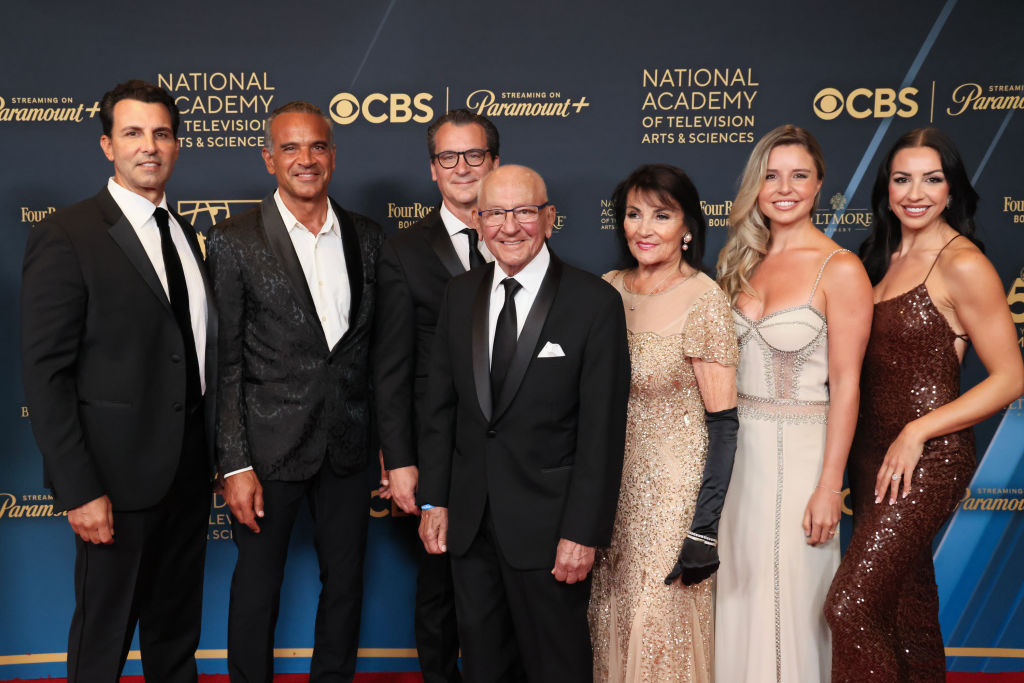
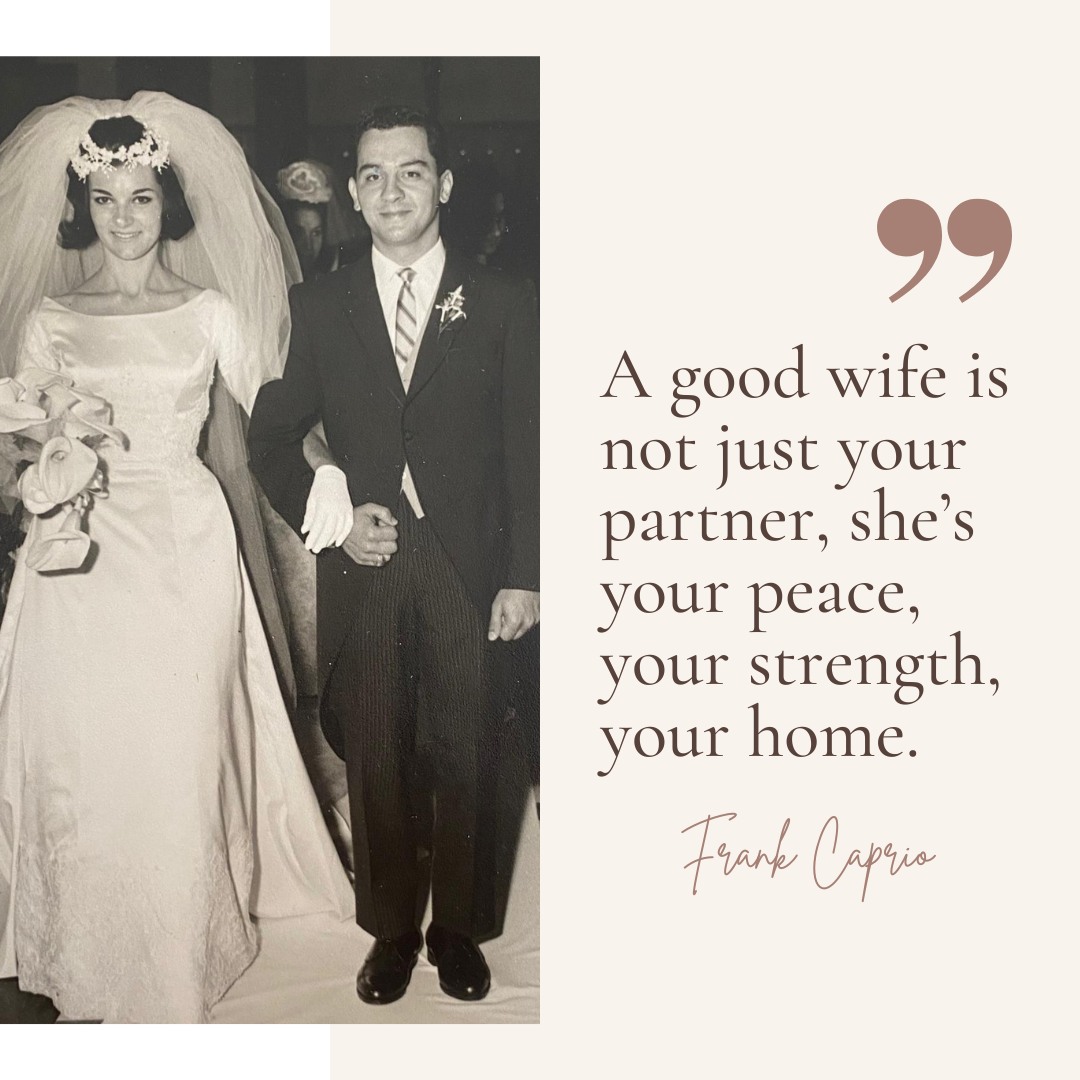
Frank and Joyce shared a marriage lasting more than six decades. Together, they raised five children: Frank T., David, Marissa, John and Paul.
Their family grew to include seven grandchildren and two great-grandchildren. Those relationships were an important part of Caprio’s life alongside his legal work and public recognition.
Although Joyce sometimes accompanied him to events, the couple generally kept their personal life private. Her influence was often visible through his remarks about her rather than through a separate public profile.
In one tribute, he described her as “the incredible woman who gave me the greatest gift of all: our five amazing children!”
He added, “Your strength, love, and endless devotion shape our family every single day.”
The words acknowledged a contribution much broader than the television suggestion. They recognized the daily support and family life they had built together.
Remembering the Relationships Behind the Courtroom
Joyce remained with Frank during his pancreatic cancer illness. His death brought attention to the family who knew him beyond the cases and clips through which much of the public encountered him.
His father’s generosity and his wife’s encouragement represent different influences on that public story. One helped shape his understanding of compassion; the other helped create an opportunity for people to see it in practice.
Caprio’s legacy includes his courtroom decisions, but it also includes the relationships he openly credited. His recollections repeatedly connected his approach to the examples and support of those closest to him.
Joyce’s suggestion did not create his compassion. It helped bring that quality before an audience, turning a local courtroom into a place where viewers around the world could watch him listen, consider and respond.