
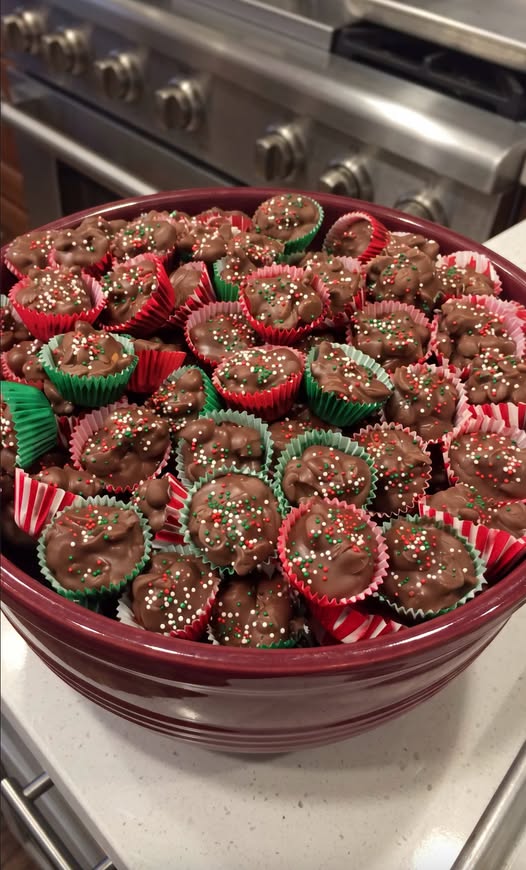
Crockpot Christmas Crack: A Sweet-and-Salty Holiday Treat With Chocolate and Crackers
A Festive Combination of Crunch, Caramel and Chocolate
Crackers, buttery brown-sugar caramel and a layer of chocolate bring contrasting flavors and textures to this holiday candy. Often called Christmas crack, the treat can be broken or cut into small portions for sharing, serving or packing into gift containers.
This version proposes using a slow cooker, with the caramel prepared separately on the stovetop. It therefore involves more than placing ingredients in a crockpot and leaving them unattended.
The ingredient outline does not include quantities or a specified slow-cooker size. Those omissions mean it is not a complete, reproducible recipe, and the proposed cooking times should not be treated as tested instructions.
The flavor combination still provides a useful starting point for understanding the candy. Its appeal comes from crisp crackers, a sweet buttery layer and chocolate that firms as the finished treat cools.
What Each Ingredient Contributes
Saltine crackers form the base. Their saltiness contrasts with the sweet coating, while their structure supplies the crunch that distinguishes the candy from a soft chocolate confection.
Butter and brown sugar make up the proposed caramel layer. Light brown sugar offers a milder flavor, while dark brown sugar brings a more pronounced molasses character.
Unsalted butter allows more control over the overall saltiness, particularly when salted crackers are already being used. The choice should be considered alongside any additional salt included as a topping.
Vanilla extract adds another flavor to the butter-and-sugar mixture. It belongs to the caramel component rather than serving as a replacement for any of the ingredients responsible for its texture.
Semi-sweet chocolate chips provide the upper layer. Milk chocolate, dark chocolate and white chocolate offer different levels of sweetness, although substitutions can also change how the coating melts and sets.
Optional toppings include nuts, peppermint pieces and festive sprinkles. These additions can vary the appearance and texture without changing the basic idea of crackers beneath caramel and chocolate.
Why Measurements and Equipment Details Matter
A short ingredient list does not eliminate the need for accurate proportions. The amount of caramel relative to the crackers affects coverage, while the quantity of chocolate determines the thickness of the upper layer.
Without those measurements, it is difficult to predict whether the mixture will form a firm candy or remain soft. The number of portions and the depth of the finished layers are also unknown.
Slow-cooker size adds another variable. A single layer of crackers occupies a different area in different inserts, changing how much coating is needed to cover it.
The supplied outline also combines a layered arrangement with periodic stirring. Stirring through a cracker base can disrupt the layers and change the intended result.
For those reasons, the concept should be distinguished from a fully specified cooking method. A dependable recipe needs ingredient amounts, equipment details and a process consistent with the texture it promises.
The Proposed Preparation Has Several Stages
The outline begins with preparing the slow-cooker insert and arranging crackers across its base. It then calls for making a butter-and-brown-sugar mixture in a separate saucepan before adding it to the crackers.
That stovetop stage means the candy is not entirely hands-off. The hot mixture requires attention, and its behavior cannot be judged reliably from an approximate number of minutes alone.
The suggested slow-cooker stage is followed by adding chocolate and allowing it to soften. Once spread, the coating is intended to form the upper layer of the finished candy.
Cooling is another essential stage. Soft chocolate and warm caramel do not become ready-to-pack candy immediately, even after the heating portion has ended.
The outline proposes lifting the finished treat using parchment. Any liner or insert preparation should follow the slow-cooker manufacturer’s directions rather than assuming every appliance supports the same arrangement.
Moisture Can Complicate the Chocolate Layer
Chocolate needs careful handling during melting. Water entering the mixture can cause it to thicken or become difficult to spread instead of forming the smooth layer intended.
A slow cooker introduces an additional consideration because moisture can collect beneath the lid. Dry utensils alone do not address condensation that may develop during covered heating.
The supplied directions give inconsistent advice about when to cover the chocolate. That part of the method needs clarification before the instructions can be followed confidently.
Different chocolate products also behave differently. Replacing semi-sweet chips with white chocolate is a flavor option, but it should not be assumed to require identical handling.
The desired result is a coating that spreads across the candy and becomes firm enough for serving. Achieving that consistently depends on an appropriate melting method as well as the product selected.
Holiday Toppings Offer Several Flavor Directions
Crushed peppermint candy gives the chocolate layer a mint flavor and a decorative finish. It provides a different eating experience from the plain cracker-and-caramel combination.
Toasted pecans or almonds add another source of crunch. Their flavor can complement the buttery layer while making the candy more substantial.
Sprinkles offer color without the same change in flavor. They can be selected to suit a holiday gathering or the appearance of a gift assortment.
A small amount of flaky salt creates a more pronounced sweet-and-salty contrast. Because the crackers already contribute salt, the topping should be considered as an addition to the complete combination.
Cinnamon or nutmeg offers another possible variation in the caramel component. A chocolate drizzle can provide a contrasting finish after the base candy has cooled.
These variations change the flavor or presentation. They do not resolve missing measurements or establish that the underlying slow-cooker method will produce a firm result.
Substitutions Need More Than a Simple Ingredient Swap
Gluten-free crackers may provide an alternative base, but their structure and crispness can differ. A replacement should be assessed for how well it holds the coating rather than assumed to behave exactly like saltines.
The same caution applies to whole-grain crackers. They offer a different flavor and texture, which may be appealing but changes the finished candy.
A low-carbohydrate version requires particular care. Sugar substitutes can behave differently during heating and cooling, so replacing brown sugar does not automatically produce an equivalent caramel.
Sugar-free chocolate and alternative crackers also need to be considered together. The outline does not provide a tested low-carbohydrate formulation or nutritional information.
Cooling, Storage and Gift Packing
Allow the finished candy to become completely firm before cutting, stacking or packaging it. Packing while warm can cause pieces to stick together and disturb the chocolate coating.
An airtight container helps protect the candy during storage. Separating layers with parchment makes individual pieces easier to remove.
The supplied outline suggests refrigerated storage for up to one week and freezing for up to three months. Those periods are proposed storage guidance rather than a shelf-life assessment for a fully specified recipe.
For gifts, use packaging that protects the pieces from crushing and keeps toppings contained. Ingredient information is also useful when the assortment includes nuts or other additions.
The candy can be served in small portions alongside gingerbread cookies, cranberry bars or other holiday desserts. Coffee, cocoa and spiced cider provide accompanying drink options.
The combination is straightforward and adaptable, but a successful batch depends on more than its festive name. Accurate quantities and a clear, tested method are what turn the idea into a reliable holiday recipe.