
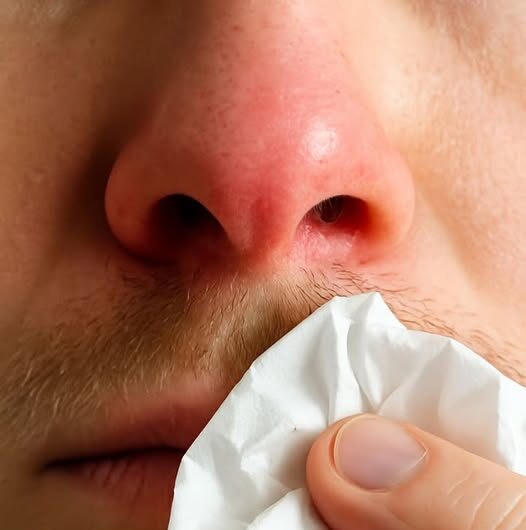
Why Your Nose Keeps Running Indoors During Winter Even When You Are Not Sick
A Winter Problem That Can Feel Surprisingly Persistent
When winter arrives, many people expect cold air, dry skin, and the usual seasonal discomforts. What often feels less expected is a runny nose that seems to appear indoors, even when there is no cold, no flu, and no obvious illness behind it.
This kind of constant drip can be frustrating because it interrupts normal daily life in a place that is supposed to feel comfortable. Instead of relaxing indoors, people may find themselves reaching for tissues again and again without understanding why it keeps happening.
The reason is often not a single issue but a mix of conditions that become more noticeable during the colder months. Heated indoor air, changes in humidity, temperature shifts, household irritants, and certain nasal sensitivities can all contribute to the problem.
Why Winter Creates The Right Conditions For A Runny Nose
Cold-weather months change the environment both outside and inside the home. Outdoors, the air is colder and often drier. Indoors, heating systems work constantly to keep rooms warm, but that warmth often comes with a noticeable drop in moisture.
The nose plays an important role in preparing the air before it reaches the lungs. It helps warm, filter, and humidify each breath. During winter, that process becomes more demanding, especially when the air is cold or lacking moisture.
As a result, the nasal passages may begin producing more mucus as part of a protective response. That extra mucus can feel like an endless runny nose, even though the body is simply reacting to the environment around it.
How Dry Heated Air Can Irritate The Nasal Passages
One of the most common triggers indoors during winter is dry, heated air. Once heating systems are turned on, indoor humidity can drop sharply, sometimes to a level that feels comfortable in temperature but harsh on the nose.
The inside of the nose is lined with delicate mucous membranes that function best when they stay moist. When the surrounding air becomes too dry, those tissues can become irritated, and the body may respond by increasing mucus production in an effort to protect and rehydrate them.
This reaction can create a cycle that is difficult to ignore. The air dries out the nasal passages, the nose tries to compensate, and the result is ongoing dripping or congestion that seems out of proportion to the actual situation.
That is why a warm room does not always feel like relief for someone dealing with a winter runny nose. The temperature may be pleasant, but the lack of moisture in the air can quietly keep symptoms going.
Vasomotor Rhinitis And An Overactive Nasal Response
For some people, a runny nose during winter is linked to vasomotor rhinitis. This condition is not caused by an infection and is not the same as a typical allergy. Instead, it involves an exaggerated reaction by the nerves inside the nose.
When those nerves are easily triggered, the nose may react strongly to ordinary environmental changes. Warm indoor air, cold outdoor air, shifts in humidity, and even common smells can cause the nasal glands to produce more mucus than necessary.
Symptoms can include a constantly runny nose, congestion, and occasional sneezing. What makes this pattern especially confusing is that it may happen without the usual signs associated with illness or classic allergy symptoms.
That can leave people feeling well overall while still dealing with a nose that refuses to settle down. In winter, the repeated exposure to indoor and outdoor contrasts can make that sensitivity even more noticeable.
The Effect Of Moving Between Cold Outdoors And Warm Indoors
Winter often brings abrupt transitions from one environment to another. A person may step out into cold air, then quickly return to a heated room, then repeat that process several times in a single day.
These shifts can affect the blood vessels inside the nose. When the body responds to sudden temperature changes, those vessels may expand, and the glands in the nasal passages can increase mucus production as a protective measure.
This is part of the body’s normal effort to condition the air before it reaches deeper into the respiratory system. Even so, the response can feel excessive, especially for people whose nasal tissues are already sensitive.
That is one reason the problem may seem worse during winter than during other seasons. The contrast between indoor and outdoor conditions is often stronger, and the nose reacts each time it is forced to adjust.
Household Irritants That Build Up During Colder Months
Winter also changes indoor air quality in ways that are easy to overlook. Homes are usually kept more closed up during cold weather, which reduces airflow and allows particles and irritants to linger for longer periods.
Dust, pet dander, scented products, and chemical residues from cleaning products may all gather indoors more heavily when windows remain shut. For some people, these substances irritate the nasal passages and lead to a steady increase in mucus.
Even when the reaction is not a formal allergy, the nose may still treat these particles as unwelcome and respond with dripping, congestion, or repeated clearing of the nose. In tightly sealed rooms, that irritation can continue throughout the day.
The result is a problem that appears to come from nowhere. A person may feel fine otherwise, yet the indoor environment keeps provoking a low-level nasal reaction that becomes difficult to ignore.
Low Humidity And The Problem Of Overcompensation
Dry indoor air does more than irritate the nose on the surface. It can also leave the mucous membranes dehydrated, which affects how well they function over time.
When the tissues inside the nose lose moisture, the body may try to correct the imbalance by producing more mucus. This overcompensation can create the impression that the nose is running for no reason, when in fact it is responding to dryness.
That explains why winter symptoms can continue even inside clean, quiet homes. The issue is not always exposure to an obvious irritant. Sometimes it is simply the lack of balanced humidity in the indoor environment.
Once the nasal passages become dry and reactive, even minor triggers can produce a noticeable response. The drip may then continue longer than expected, especially in homes where heated air remains very dry throughout the day and night.
Hidden Indoor Allergens That Become More Noticeable In Winter
Not every winter runny nose is caused by dryness alone. Indoor allergens can also become more concentrated during colder months, especially when ventilation is reduced.
Mold, dust mites, and pet dander are examples of common indoor triggers that may remain present year-round but become more troublesome in winter. With doors and windows kept closed, these allergens can build up and produce ongoing nasal symptoms.
For someone who is sensitive to these substances, the result may look like a seasonal mystery. The person is not sick, but the nose keeps running whenever more time is spent indoors.
This can be especially confusing because the symptoms may not feel dramatic. Instead of a severe reaction, there may simply be a steady drip, mild congestion, or repeated irritation that never fully goes away.
When Structural Nasal Issues Can Make Winter Worse
In some cases, the winter environment is not the only factor involved. Structural issues inside the nose, such as a deviated septum or nasal polyps, can make normal drainage and airflow more difficult.
When airflow is disrupted, the nose may become more prone to congestion and mucus buildup. During winter, when dry air and irritants are already placing additional stress on the nasal passages, these structural issues can make symptoms feel more intense.
A person with one of these conditions may notice that their nose seems particularly sensitive during colder months. The environment does not create the structural problem, but it can make the effects more noticeable.
That combination can turn an already irritating seasonal issue into a repeated source of discomfort throughout the winter.
Other Factors That Can Contribute
Some medications can also play a role in a persistent runny nose. Certain drugs used for blood pressure, anxiety, or hormonal changes may produce nasal symptoms that become more obvious in winter because of the surrounding environmental stress.
In these cases, the indoor winter setting may not be the sole cause, but it can amplify a response that is already present. The result is a runny nose that feels tied to the season, even though more than one factor may be involved.
That is why winter nasal symptoms are not always easy to explain with a single answer. They often reflect a combination of dry air, temperature shifts, hidden irritants, underlying sensitivity, and individual health differences.
Why Quick Viral Fixes Are Not Always The Answer
Many popular tips shared online promise fast relief for a constantly runny nose. Some of these ideas may sound harmless, but not all of them are supported by solid evidence, and some may do little to address the real cause.
Winter nasal symptoms usually come from environmental stress and the way the nose responds to it. Because of that, simple, practical measures that improve indoor conditions and reduce triggers tend to make more sense than dramatic tricks or unproven hacks.
A persistent runny nose can be annoying enough to make quick-fix advice feel tempting. Still, the problem often improves more reliably when the indoor environment is made less irritating and the nasal passages are allowed to remain properly moisturized.
When It May Be Time To Seek Medical Attention
Although a runny nose indoors during winter is often linked to dryness, irritants, or noninfectious nasal sensitivity, there are times when it should not be ignored. Symptoms that continue despite home efforts may need closer evaluation.
Medical attention may be appropriate if the problem is constant, unusually disruptive, or accompanied by other concerns such as facial pain or frequent sinus infections. Those signs can point to a deeper issue that needs a more thorough look.
An ENT specialist may be able to identify whether allergies, structural nasal conditions, or another underlying factor are involved. Getting that kind of assessment can help bring clarity when the reason for the symptoms is not obvious.
A Common Winter Issue With More Than One Cause
A runny nose that appears indoors during winter can seem strange at first, especially when there is no sign of illness. In many cases, though, the explanation lies in the interaction between the winter environment and the body’s normal protective responses.
Dry heated air, sudden temperature changes, household irritants, indoor allergens, and nasal sensitivity can all push the nose to produce more mucus. What feels like an unexplained nuisance is often the result of the body trying to adapt.
Understanding that pattern can make the issue feel less mysterious. Winter may bring comfort indoors, but it also creates conditions that can keep the nasal passages on edge, turning a simple seasonal change into a surprisingly persistent daily annoyance.