
Parchment Paper in the Kitchen: Convenience, Limits, and Safer Alternatives
A Common Kitchen Essential
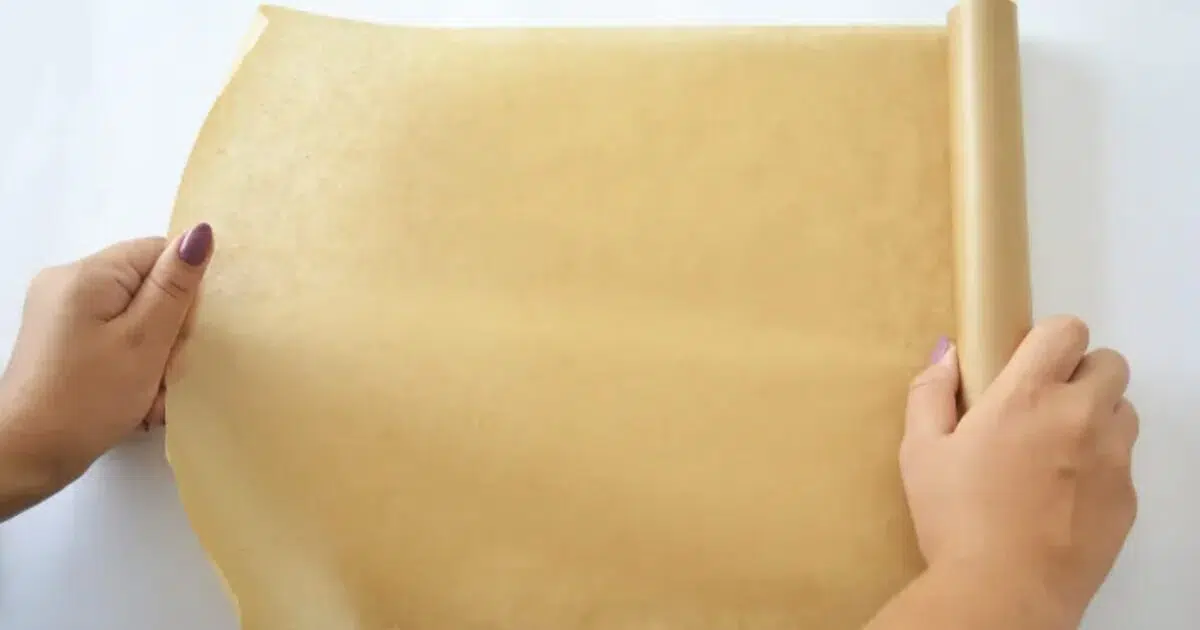
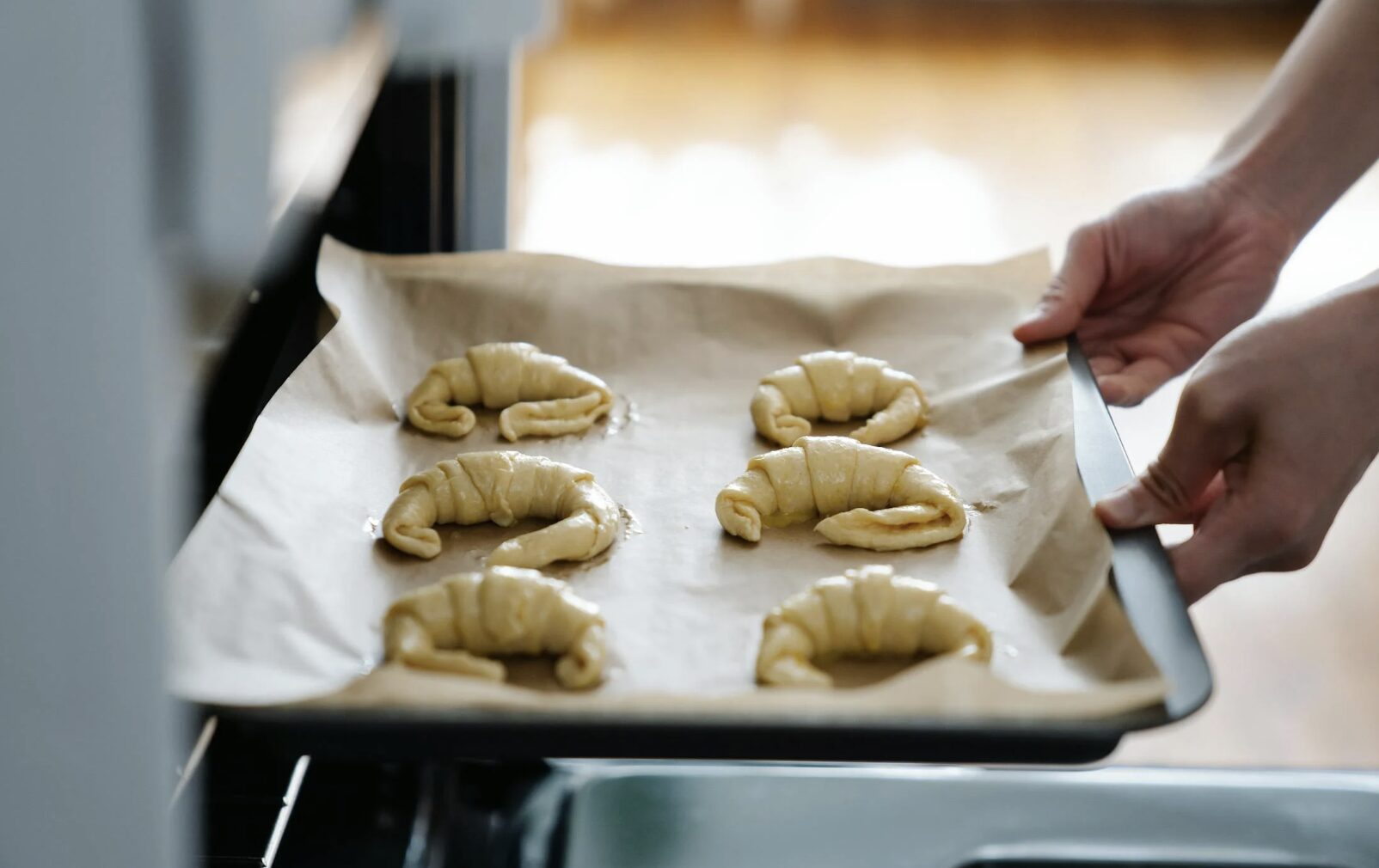
Parchment paper has become a staple in many kitchens due to its convenience and versatility.
It helps prevent food from sticking, makes cleanup easier, and simplifies both baking and roasting tasks.
From cookies that slide effortlessly off a tray to evenly roasted vegetables, it often feels like an indispensable tool.
Questioning Everyday Habits
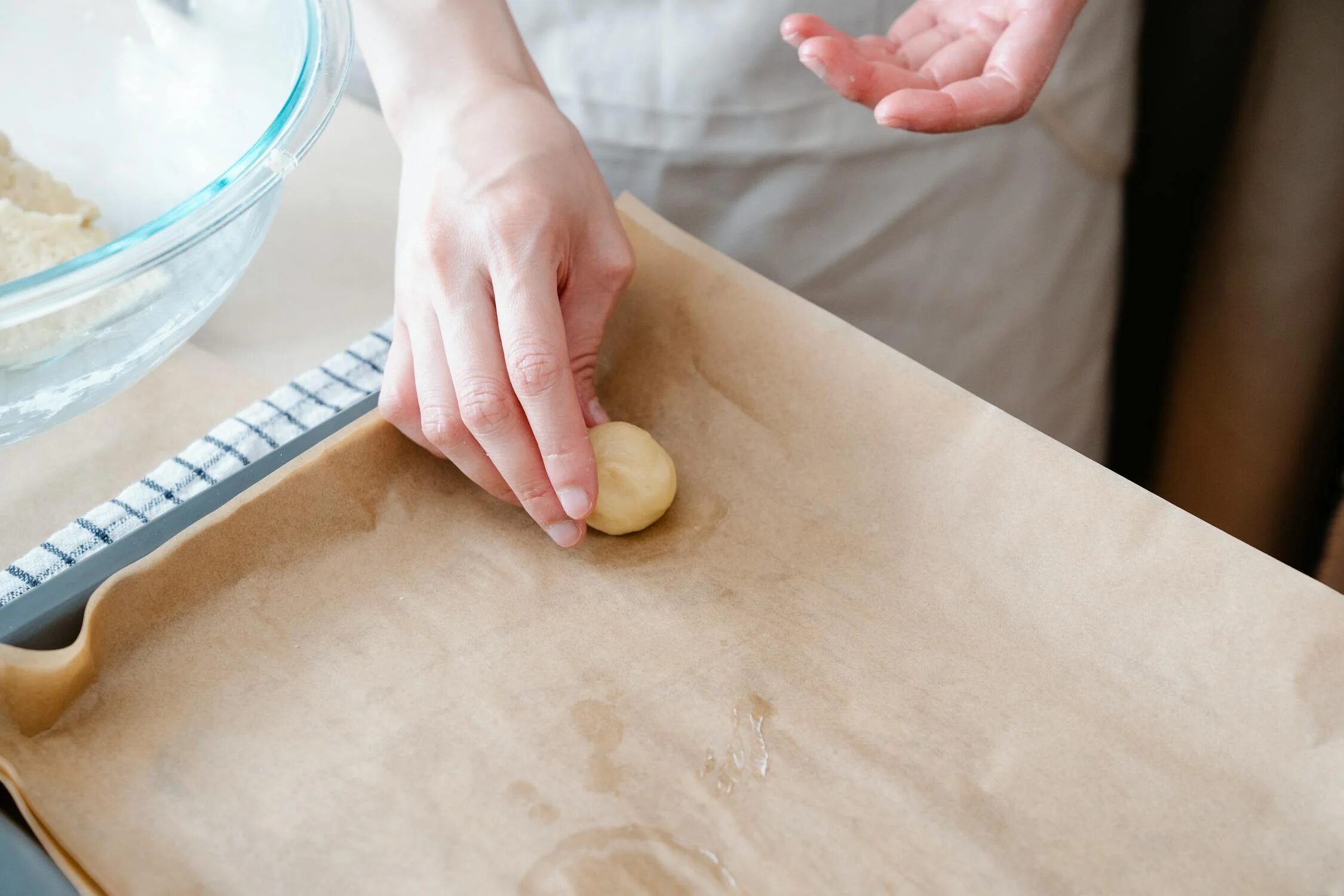
Despite its popularity, questions have emerged about how safe parchment paper truly is, especially when used at high temperatures.
What seems like a simple kitchen shortcut may come with limitations that are often overlooked during everyday cooking.
Understanding how parchment paper works and where its boundaries lie can help ensure safer use in the kitchen.
How Parchment Paper Works
Parchment paper is designed to be heat-resistant and nonstick, making it suitable for a wide range of cooking applications.
Its effectiveness comes from special coatings applied during manufacturing.
These coatings, commonly silicone or quilon, create the smooth, nonstick surface that cooks rely on.
Temperature Limits and Coating Breakdown
While parchment paper is built to withstand heat, it does have limits that vary depending on the type and brand.
Silicone-coated parchment paper is typically safe for use at temperatures between 420°F and 450°F.
Exceeding these limits can cause the coating to degrade, potentially releasing unwanted fumes.
In some cases, a noticeable odor during high-heat cooking may signal that the paper has reached its tolerance threshold.
Concerns About Quilon Coatings
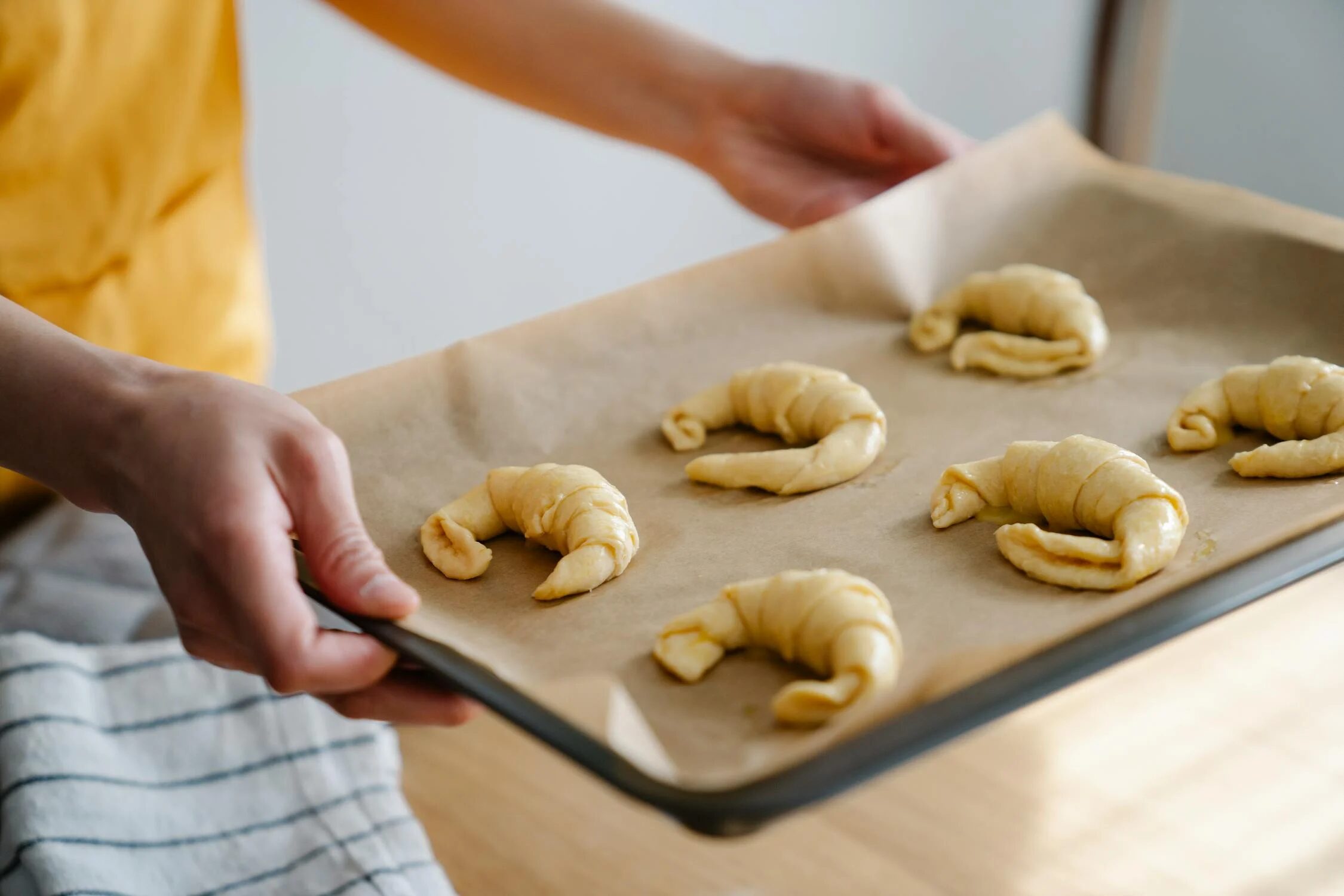
Another type of coating, known as quilon, raises additional concerns.
Quilon contains chromium, which is classified as a heavy metal.
Under certain conditions, especially when exposed to high temperatures, there is a possibility that small amounts may transfer to food.
Although less commonly used today, it is still present in some parchment paper products.
The Risks of High-Heat Cooking
Many cooking methods involve temperatures that approach or exceed the safe limits of parchment paper.
Roasting at high heat can cause the paper to darken, become brittle, or even scorch.
While it may not always ignite, the visible damage can be alarming and indicates that the material is breaking down.
This breakdown may also lead to microscopic particles transferring onto food, raising additional concerns.
Overlooking Product Guidelines
It is common for users to overlook the recommended temperature limits printed on packaging.
In the rush of preparing meals, these details can easily be ignored.
However, exceeding those guidelines increases the likelihood of damage and potential exposure to degraded materials.
Safer and Practical Alternatives
Fortunately, there are several alternatives that offer similar convenience without the same limitations.
These options can be used confidently across a wider range of cooking temperatures.
Silicone Baking Mats
Reusable silicone baking mats are one of the most reliable substitutes.
They are designed to handle high temperatures without breaking down or losing their nonstick properties.
In addition to their durability, they are easy to clean and can be used repeatedly, making them a long-term solution.
Their reusable nature also reduces waste, making them a practical and environmentally conscious choice.
Unbleached Parchment Paper
For those who prefer to continue using parchment paper, unbleached versions provide a safer alternative.
These products are often free from chlorine and quilon coatings.
While still subject to temperature limits, they reduce exposure to certain chemicals and are generally considered a better option.
Aluminum Foil with Oil
Aluminum foil is another effective solution, particularly for roasting.
When lightly coated with oil, it creates a nonstick surface that can withstand high temperatures.
It is especially useful for cooking methods that exceed the safe range of parchment paper.
However, it is important to avoid pairing foil with acidic foods, as reactions may alter taste.
Using a Greased Pan
In many cases, a simple greased pan can replace parchment paper entirely.
This traditional method remains reliable for both baking and roasting.
While it may require an extra step, it avoids the use of coatings and provides consistent results.
Using butter or oil to prevent sticking is a straightforward and time-tested approach.
Environmental Impact
Beyond safety considerations, parchment paper also raises environmental concerns.
Most types are designed for single use, contributing to household waste.
Coated varieties are often not compostable, which further limits their sustainability.
Switching to reusable alternatives can significantly reduce waste over time.
Balancing Convenience and Awareness
Parchment paper remains a useful tool when used correctly and within its limits.
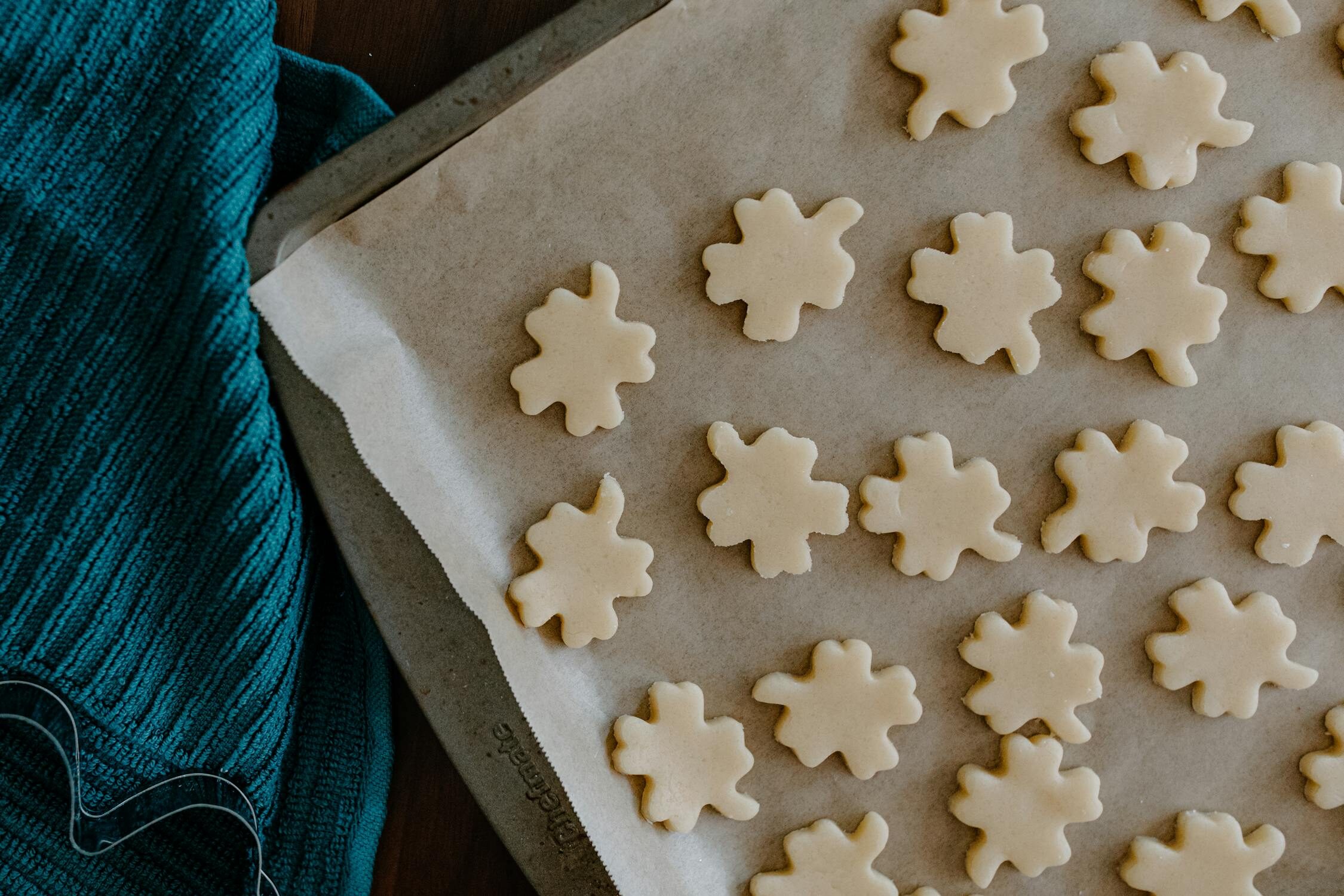
It continues to serve well for lower-temperature applications such as baking cookies or lining cake pans.
However, understanding when it is not the best choice is equally important.
Making Smarter Kitchen Choices
Choosing the right material for each cooking task can improve both safety and results.
By being mindful of temperature limits and material properties, it is possible to avoid unnecessary risks.
Incorporating a mix of tools, including reusable options, creates a more adaptable and efficient kitchen setup.
A Practical Perspective
Parchment paper can be compared to a tool that performs well under the right conditions but struggles under extreme ones.
It is dependable for many everyday tasks, yet not suited for every situation.
Recognizing its strengths and limitations allows for better decision-making during cooking.
Conclusion
Parchment paper continues to offer convenience and ease for many kitchen tasks.
However, its safety depends largely on how it is used.
Respecting temperature limits and exploring alternative options can enhance both safety and sustainability.
With a thoughtful approach, it is possible to maintain the benefits of nonstick cooking while minimizing potential risks.