

The Life Story of Johnny Cash: From Hardship to Legendary Status
Early beginnings shaped by struggle
From a very young age, Johnny Cash experienced a life defined by hard work and responsibility. Born on February 26, 1932, in Kingsland, Arkansas, he grew up in a large family with seven siblings, where everyone contributed to daily life.
By the time he was five years old, he was already working in the cotton fields alongside his family. Despite the demanding environment, music was always present, offering moments of comfort and connection.
In the evenings, the family gathered together, often singing hymns and folk songs. These simple but meaningful moments helped shape his deep connection to music.
Even as a child, he showed an early interest in creativity, writing poems and songs by the age of 12.
A loss that changed everything
During his youth, Cash experienced a deeply painful family loss that would stay with him for the rest of his life.
His older brother, Jack, whom he admired greatly, passed away following a serious accident. The event had a lasting emotional impact and marked a turning point in his life.
Jack had been known for his strong character and dedication, often serving as a role model within the family.
The loss left a deep impression on Cash, influencing both his outlook on life and the themes that would later appear in his music.
This experience contributed to a more reflective and introspective path during his teenage years.

Music as a path forward
In the years that followed, music became more than an interest—it became a direction.
As a teenager, Cash began performing wherever he could, including local radio programs and small events.
Although he took on work outside the farm, his passion remained focused on songwriting and performance.
These early efforts laid the foundation for what would become a remarkable career.
His persistence and belief in his craft guided him through uncertain beginnings.
Military service and a defining moment
When the Korean War began, Cash enlisted in the United States Air Force. During his time stationed in Germany, he purchased his first guitar.
This moment marked a significant step in his journey, allowing him to develop his skills further.
He formed a band with fellow servicemen and performed in small venues, gaining experience and confidence.
These early performances helped shape the sound and style that would later define his music.
It was a quiet but important chapter in his development as an artist.
Chasing a dream in Memphis
After completing his military service, Cash moved to Memphis with the goal of building a career in music.
He worked selling appliances during the day while continuing to pursue music in the evenings.
His determination eventually led to an opportunity with a record label that recognized his unique voice and style.
His early recordings quickly gained attention, reaching audiences and building momentum.
Before long, he was performing regularly and establishing himself within the music scene.

Rising success and lasting impact
Cash’s music resonated with listeners because of its authenticity and emotional depth.
His songs often reflected themes of faith, hardship, love, and personal struggle.
As his popularity grew, he began performing on larger stages and reaching wider audiences.
Several of his songs achieved significant success, remaining on the charts and selling widely.
He became known as a voice for people who felt overlooked, connecting with audiences on a personal level.
Facing personal challenges
Despite his success, Cash faced significant personal challenges during his career.
The pressures of constant touring and public life took a toll, leading to struggles that affected both his personal and professional life.
He later spoke openly about this period, acknowledging the difficulties he faced and the lessons he learned.
These experiences became part of his journey, influencing both his life and his music.
Over time, he worked toward rebuilding and moving forward.
A powerful return and renewed purpose
With support from those close to him, Cash was able to regain stability and continue his career.
His return to the stage marked a renewed sense of purpose and connection with audiences.
He performed in a wide range of settings and continued to expand his influence.
His ability to bring together different musical styles and audiences further strengthened his legacy.
Throughout it all, he remained grounded in the values that had shaped him from the beginning.
Commitment beyond music
Cash’s work extended beyond performance. He used his platform to support causes and connect with individuals from all walks of life.
His willingness to engage with communities and address meaningful topics added depth to his career.
He often focused on empathy and understanding, themes that were reflected in both his actions and his music.
This commitment helped define his role not just as an entertainer, but as a figure of influence.
His impact reached far beyond the stage.
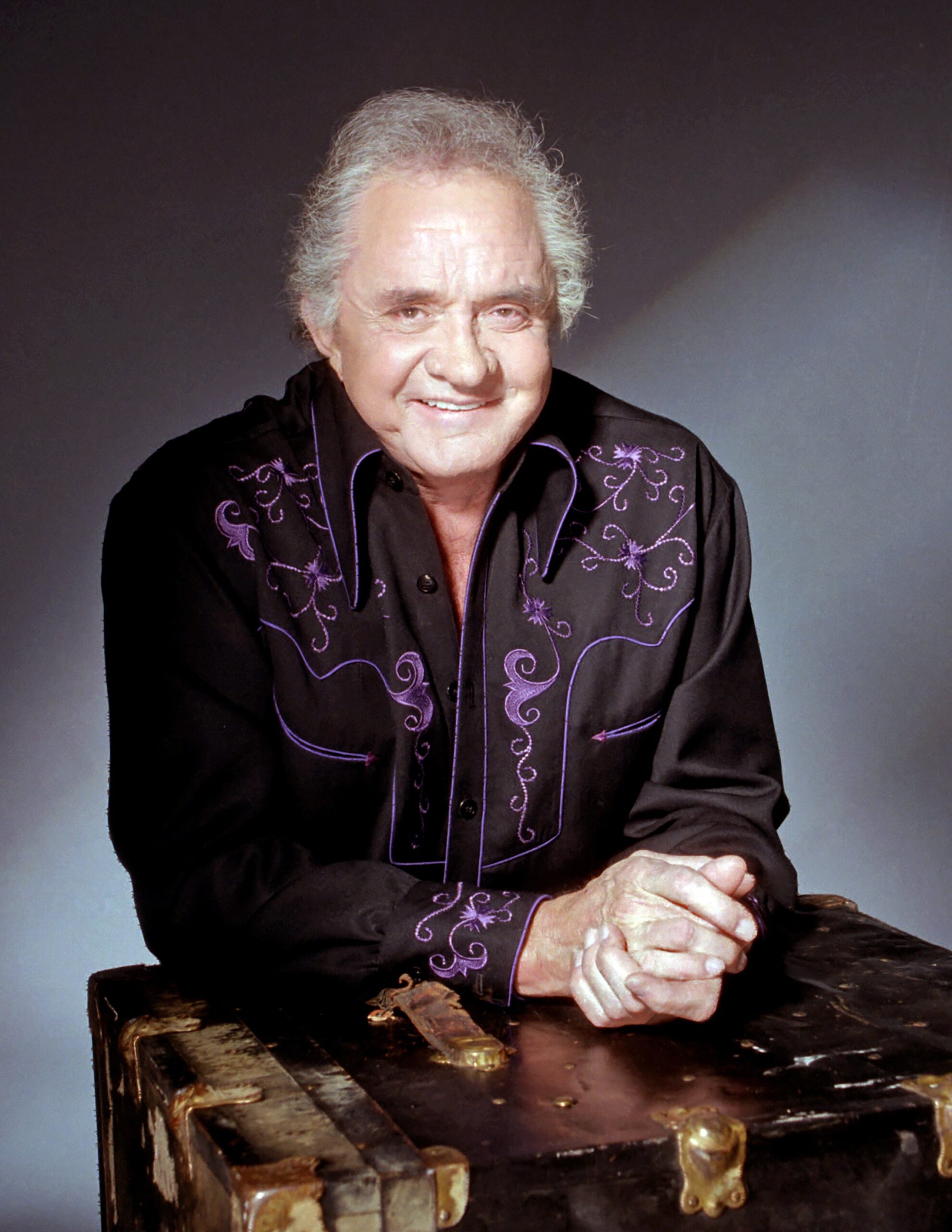
Later years and enduring influence
As the years passed, Cash continued to evolve as an artist. He remained active in music, introducing his work to new generations.
He received numerous honors and recognition for his contributions, becoming part of multiple halls of fame.
Even later in life, he continued to create and perform, maintaining a strong connection with his audience.
His ability to adapt while staying true to his identity contributed to his lasting relevance.
His influence remained strong across decades.
A personal loss and final chapter
After many years of partnership, Cash experienced the loss of his wife in 2003.
Only a few months later, he also passed away, marking the end of a remarkable life journey.
The closeness of these events added a poignant chapter to his story.
It reflected the deep personal connections that had shaped his life.
His legacy, however, continued to grow.
Conclusion
Johnny Cash’s life story is one of resilience, growth, and lasting impact.
From early hardship to global recognition, his journey reflects the power of perseverance and creativity.
His music continues to connect with listeners, carrying themes that remain meaningful across generations.
He was more than an artist—he was a voice that spoke to shared human experiences.
His legacy endures, reminding the world of the strength found in both struggle and expression.