
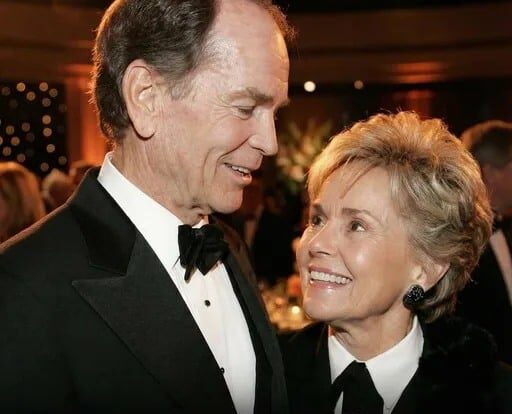
Lory Patrick Remembered for a Career That Reached Beyond the Screen
A Life Marked by Determination and Reinvention
Hollywood often rewards familiar paths, but Lory Patrick built her career by stepping away from what others expected of her. She moved from modeling into acting at a time when that transition was often dismissed, and she went on to create a body of work that proved talent and persistence mattered more than the labels placed on her.
Her passing at 92 closes the chapter on a life that touched television, film, writing, stage work, and personal service. What remains is a record of steady accomplishment and an example of how quiet determination can leave a lasting mark.
She was born Loretta Basham in a small town in West Virginia. From those beginnings, she made her way to Los Angeles and began building a future that would carry her into American living rooms and eventually into creative work behind the scenes.
The name the public came to know was Lory Patrick. Under that name, she developed a career that reflected both range and resilience, moving through different forms of performance while continuing to expand her work in ways that were uncommon for many women in the industry at the time.
From Modeling to the Screen
Before acting became her main calling, Patrick worked as a model. That early chapter gave her visibility, but it did not define the future she wanted for herself.
A producer once told her that models could not become actresses. Rather than accepting that judgment, she treated it as something to overcome.
Her response was not loud or dramatic. It came through work, consistency, and the kind of career that gradually makes doubt irrelevant.
She left modeling behind and headed toward acting with purpose. In Los Angeles, that decision quickly began to change the course of her life.
Within days of signing with Universal, she secured a role on The Loretta Young Show. That opportunity became the first major step in a television career that would continue across many years and many productions.
What could have been a brief appearance instead opened the door to a long period of steady professional momentum. Patrick became one of those performers whose face audiences recognized even if they did not always know the full story of the career behind it.
A Familiar Presence in 1960s Television
Patrick’s television work placed her in some of the most recognized series of the era. Her credits included Tales of Wells Fargo, Bonanza, and Dr. Kildare, productions that held an important place in popular culture and in the development of network television.
These appearances helped establish her as a dependable and versatile actress. She became part of the weekly rhythm of home viewing for many Americans during the 1960s.
Her work did not rely on spectacle. Instead, it reflected the discipline of an actress who understood the demands of television production and knew how to deliver performances that supported the larger story.
Over time, that consistency added up to an impressive body of work. Her career reached 70 television roles, a figure that speaks not only to longevity but to the trust producers and directors placed in her across many years.
That level of activity also shows how thoroughly she moved past the doubts that once surrounded her move from modeling into acting. The warning that she would not succeed in front of the camera was answered by a résumé that continued to grow.
For audiences, she became a familiar and reassuring presence. For those looking at the wider industry, her career represented something larger: the refusal to be limited by assumptions about where talent can come from.
More Than an Actress
Patrick’s contribution to entertainment did not end with acting. Her career developed in several directions, and that wider creative life helped distinguish her from many of her peers.
At a time when women were rarely welcomed into writers’ rooms, she contributed scripts to Bonanza. That work placed her on the creative side of storytelling in an era when such opportunities were limited and often difficult to access.
Her writing mattered not only because of the scripts themselves, but because of what that work represented. Each contribution showed that women could shape stories from behind the camera as well as perform in front of it.
Rather than presenting herself as a symbol, Patrick simply kept working. In doing so, she helped widen space in the industry for women whose ambitions extended beyond acting roles.
Her path showed that creative careers did not have to stay within one category. She acted, wrote, and continued to pursue meaningful work as new chapters opened in her life.
That expanded vision of a career now feels especially significant. Long before conversations about broader inclusion became more visible, Patrick was already doing the work and quietly changing expectations through action.
Creative Work on the Stage
Her artistic life also included directing for the stage. That role called on a different set of skills and placed her in a new relationship to performance and storytelling.
Directing requires vision, patience, and a strong sense of structure. It demands not only an understanding of performance, but also the ability to guide others toward a shared result.
Patrick’s movement into stage direction further reflected the breadth of her interests and abilities. She was not content to be limited to one lane when there was more creative ground to explore.
That willingness to expand her work suggests a person who remained deeply invested in storytelling as a craft. Whether on screen, on the page, or in a theater setting, she continued to engage with the work from multiple angles.
It also reinforces the larger shape of her legacy. She was not simply a performer with a list of credits, but a creative figure whose career included several forms of authorship and artistic leadership.
Building a Life Beyond the Industry
As the years went on, Patrick devoted herself more fully to faith, family, and service. This part of her life, though quieter than her years in entertainment, appears just as central to understanding who she was.
Alongside her husband, actor Dean Jones, she focused on a life rooted in conviction and care for others. That shared commitment gave shape to her later years and added a deeply personal dimension to her public story.
Many performers are remembered almost entirely for what happened on screen. Patrick’s life seems to resist that narrowing. Her work in entertainment mattered, but it was not the whole of her identity.
There is something meaningful in that balance. She achieved success in a difficult industry, yet the life she built away from the camera also carried weight and purpose.
That combination helps explain why her passing feels significant in more than one way. It marks the loss not only of an actress with a substantial résumé, but of a woman whose life held together professional achievement and personal devotion.
The Meaning of Her Legacy
Patrick’s story is not one of sudden transformation or a single famous moment. It is a story of sustained effort, of barriers answered through work, and of a career built step by step.
She started as Loretta Basham in West Virginia. She became Lory Patrick in Hollywood. Between those two points lies a life shaped by motion, reinvention, and a refusal to accept what others said was possible.
Her acting credits alone would have been enough to secure a place in television history. Seventy television roles and work in hit films represent a level of accomplishment that many only hope to reach.
But her legacy reaches farther because she also wrote, directed, and helped create room for women in parts of the industry where they were too often overlooked. She did not just enter existing spaces. She helped expand them.
That achievement becomes even clearer when viewed in the context of her time. Opportunities for women behind the camera were limited, and expectations were often narrow.
Patrick’s career pushed against those limitations without turning herself into a public campaign. She let the work speak. She kept moving forward, and the result was a legacy built on substance rather than noise.
A Quiet Influence That Endures
There are public lives that leave behind headlines, and there are lives that leave behind example. Patrick appears to belong to the second category.
Her influence can be seen in the combination of roles she embraced and in the way she handled each chapter with calm purpose. She pursued acting when others doubted her. She wrote when women were often excluded from that space. She directed for the stage. She later committed herself to family, faith, and service.
Each of those chapters adds something important to the whole picture. Together, they show a woman who understood success as more than visibility.
That may be why the shape of her life feels especially lasting. It was not built only on applause or recognition, but on conviction and work carried out over time.
Even the quieter parts of her story seem connected to the same qualities that defined her professional path: steadiness, courage, discipline, and a willingness to move where she believed she was meant to go.
Remembering Lory Patrick
At 92, Lory Patrick leaves behind a legacy that cannot be reduced to a single title. She was an actress with a long television career, a writer who contributed to an important series, a stage director, and a woman who later placed her energy into faith, family, and service.
She also leaves behind a story that still resonates. It begins with doubt from others and continues through decades of meaningful work, proving that limits imposed from the outside do not have to define the future.
Her name remains tied to a memorable period of television history, but her impact extends beyond the screen. She showed what it looked like to keep building, to keep growing, and to answer dismissal with achievement.
In the end, what stands out most is not only what she accomplished, but how fully she lived across different chapters of life. She found room for professional success, creative expansion, personal conviction, and service to others.
That is the kind of legacy that lasts. Long after the lights dim and the credits stop rolling, it is the shape of a life like hers that continues to speak.
Lory Patrick may be gone, but the example she leaves behind remains clear: talent can outlast doubt, steady work can overcome barriers, and a meaningful life can be built both in public view and far beyond it.