
Vintage Envelope Prank Once Turned Ordinary Mail Into a Surprise
An Unexpected Discovery in a Drawer
Hidden in the back of a drawer or tucked beneath old scarves, a small wire gadget can look like nothing more than discarded clutter.
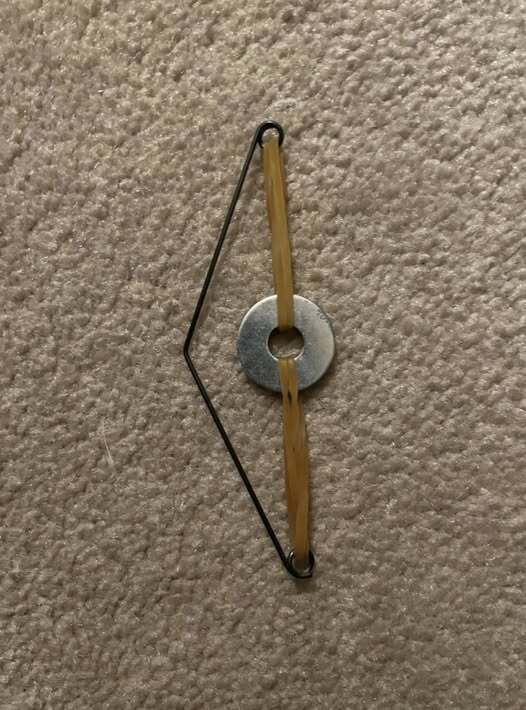
Its bent metal frame, stretched rubber band, and tiny washer may seem like parts from something broken. Yet for many people, it is a recognizable piece of classic prank history.
This unusual object is known as the rattlesnake envelope prank, a simple novelty device that surprised mail recipients for generations.
What the Rattlesnake Envelope Prank Is
Despite its dramatic name, the prank has no connection to real snakes. It contains no animal parts and creates no danger when handled properly.
The name comes from the quick motion of the device when an envelope is opened. Once released, the coiled wire jumps outward suddenly, creating a brief surprise.
That fast movement gave the prank its snake-like reputation and helped make it memorable.
How the Device Works
The prank relies on stored tension. A shaped wire coil is compressed flat and placed inside a standard envelope.
The envelope is then closed as if it contains ordinary mail. Sometimes pranksters added a note on the outside to increase curiosity.
When the flap is lifted and pressure is removed, the wire springs upward immediately. The quick snap often causes the recipient to jump before realizing it is harmless.
The entire effect lasts only a moment, but timing is what made the trick so popular.
A Favorite Joke From Another Era
Long before online jokes, social media trends, or video pranks, practical humor often came in small physical objects like this one.
The rattlesnake envelope prank gained attention in the early twentieth century and became especially popular between the 1930s and 1950s.
It was sold in novelty shops, joke stores, and mail-order catalogs. For many families, it became a familiar item during holidays and birthdays.
Its low cost and reusable design made it easy to share again and again.
Why It Became So Popular
The prank succeeded because it was simple. No batteries, no setup, and no special skill were required.
Anyone could place it in an envelope, wait for someone to open it, and enjoy the brief moment of surprise.
Unlike larger practical jokes, it created a reaction without damaging property or causing lasting trouble.
That balance of surprise and harmless fun helped it remain popular for decades.
Common Uses Through the Years
Children often used the prank on siblings or friends at home. Office workers sometimes brought one in for lighthearted April Fools’ Day fun.
Some people mailed it to relatives who enjoyed jokes and knew to expect playful surprises.
Others kept one tucked away for years, bringing it out whenever the right moment arrived.
Because the device could be folded flat, it was easy to store and easy to forget until rediscovered later.
Other Names It Was Known By
Over time, similar novelty products appeared under different names.
Some versions were called “snake-in-the-box,” while others were sold as “envelope jacks.”
Packaging and shapes varied, but the core idea remained the same: create a quick burst of surprise when the envelope opens.
Collectors today sometimes search for older versions because of their nostalgic value.
Is It Safe to Use?
When used responsibly, the prank is generally considered a harmless novelty item.
Most versions were made from lightweight wire, rubber, and a small metal piece used for motion or sound.
Even so, common sense matters. Sudden surprises are not enjoyable for everyone.
It is best to avoid using such pranks on people who may be startled easily, young children, or anyone dealing with health concerns related to stress or anxiety.
Using Good Judgment
Humor works best when it remains friendly. A prank should create laughter, not genuine fear.
For that reason, using novelty devices in envelopes designed to resemble urgent bills, legal notices, or official documents is not wise.
Confusion or distress defeats the purpose of a lighthearted joke.
The best reactions come when the surprise is brief, harmless, and quickly understood.
How Simple Designs Made It Effective
The charm of the rattlesnake envelope prank lies in how little it needed to work.
A bent wire created spring tension. A rubber band helped maintain pressure. A washer or bead added a slight rattle and momentum.
These ordinary materials combined into something memorable.
That kind of creativity reflects a time when entertainment often came from clever mechanical ideas rather than electronics.
A Reminder of Analog Fun
Today, many jokes happen through screens, edited clips, or viral trends. The envelope prank belongs to a different tradition.
Its humor depended on real timing, real reactions, and face-to-face laughter after the surprise.
There was no replay button and no comment section. The moment happened once, then became a story people retold.
That makes the prank feel charmingly old-fashioned in the modern age.
Why People Still Remember It
Objects tied to simple memories often last longer than expensive gadgets. A small novelty toy can bring back family moments, childhood laughter, or stories about relatives who loved practical jokes.
Finding one years later can feel like opening a tiny time capsule.
Even people who never used one may appreciate the cleverness of its design and the era it represents.
It shows how much fun people created from very little.
Collectible Nostalgia Today
Vintage novelty items have become interesting keepsakes for many collectors.
Older envelope pranks, especially those in original packaging, can attract attention because they reflect a playful chapter of everyday history.
They are reminders that humor once traveled through the mail in the most unexpected ways.
Sometimes the smallest objects preserve the strongest memories.
Final Thought
If you come across a strange little coil of wire with a rubber band attached, it may be more than forgotten junk.
It could be a surviving piece of classic prank culture, built to turn an ordinary envelope into a brief moment of surprise.
In a world filled with digital entertainment, that tiny gadget still carries a timeless lesson: laughter does not need batteries, internet access, or a screen.
Sometimes all it takes is an envelope, a spring, and perfect timing.