
The Meaning Behind the Three-Dot Tattoo and Why Context Matters
A Small Tattoo With a Powerful Reputation
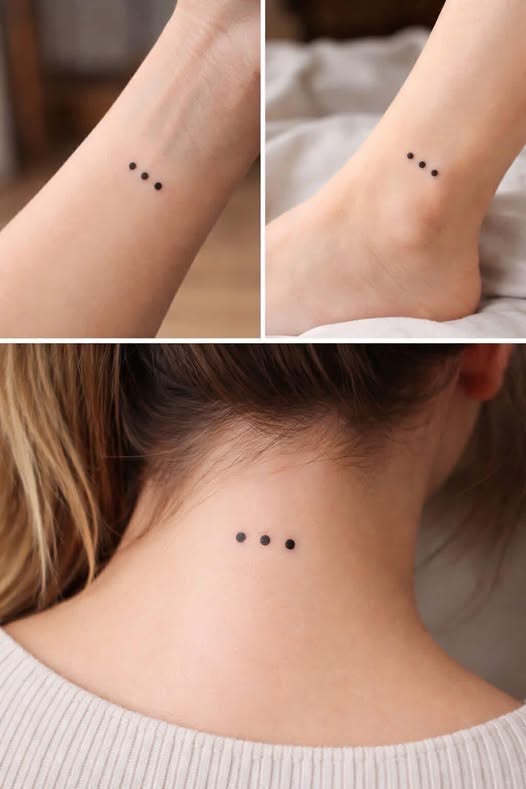
A simple cluster of three small dots tattooed between the thumb and forefinger may not attract much attention at first glance. To many people, it can appear to be nothing more than a minimal design or a personal style choice.
However, in certain environments and communities, the symbol carries a much deeper meaning. Over the years, the three-dot tattoo has become associated with ideas connected to survival, hardship, loyalty, and rebellion.
Because of those associations, the mark is sometimes viewed with caution. What looks like a small piece of body art can represent a complicated personal history that outsiders may not immediately understand.
Origins and Symbolic Interpretations
The meaning of the three-dot tattoo has changed depending on the culture, region, and situation in which it appears. One of the most recognized interpretations connects the symbol to the phrase “see no evil, hear no evil, speak no evil.”
Within prison culture and certain street environments, that idea can evolve into a symbol of silence and loyalty. It may suggest that a person follows a strict code against cooperating with authorities or revealing information.
In some Latin American communities, the tattoo has also been connected to the phrase “Mi Vida Loca,” which translates to “My Crazy Life.” In that context, the dots can symbolize a difficult or unpredictable lifestyle shaped by risk, struggle, and personal choices.
For some individuals, the tattoo represents belonging. For others, it serves as a reminder of challenges they survived or experiences that permanently changed their lives.
A Symbol That Can Mean Different Things
Not every person with a three-dot tattoo shares the same background or story. The symbol does not have one universal meaning, and interpretations can vary widely.
In some cases, the tattoo may simply represent friendship, personal hardship, or a phase in someone’s past. In others, it may carry stronger connections to prison life or street culture.
There are also situations where people choose the design without fully understanding the historical meanings attached to it. As tattoo styles become more common in mainstream culture, symbols once connected to specific groups sometimes lose their original context.
That complexity is one reason why assumptions based only on appearance can be misleading.
The Lasting Impact of Visible Symbols
Tattoos are permanent, and symbols tied to difficult histories can continue to affect a person long after their life changes.
Someone who once lived in a dangerous environment may later choose a completely different path. They may focus on family, work, or building a more stable future, yet the tattoo can still attract attention and judgment.
Visible symbols often influence how others react, even when they do not know the full story behind them. In professional settings or public spaces, certain tattoos may lead to assumptions about a person’s character or past.
For some people, this creates an ongoing struggle between who they once were and who they are trying to become.
Why Context Still Matters
The three-dot tattoo remains one of the most recognized symbolic designs connected to hardship and underground culture, but context is important.
While awareness of these meanings can help people understand the history behind certain symbols, it is equally important not to reduce a person’s entire identity to a single tattoo.
Human experiences are complicated. A mark on the skin may reflect survival, mistakes, loyalty, pain, or personal transformation.
In the end, the three-dot tattoo is more than just a small design. It is a reminder that symbols often carry stories far deeper than what appears on the surface, and understanding those stories requires more than a quick judgment.