
Why Leaving Chargers Plugged In Could Be a Bigger Problem Than You Think
The Hidden Energy Drain Sitting Quietly in Your Walls
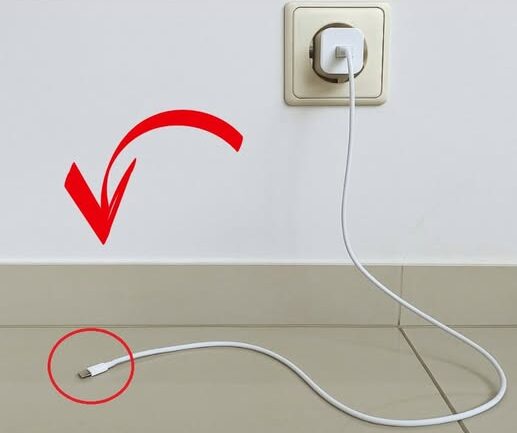
It happens almost automatically. You unplug your phone, grab your keys, and head out the door while the charger remains sitting quietly in the outlet.
For many people, chargers have become permanent fixtures in walls, power strips, and extension cords throughout the home. They stay plugged in day and night, often without a second thought.
While the habit may seem harmless, those small charging bricks continue working even when no device is attached. They still consume small amounts of electricity, generate heat, and slowly wear down over time.
One charger alone may not appear to make much difference. However, the combined impact of multiple chargers left plugged in around a home can become more noticeable over months and years.
Chargers Continue Using Electricity
Many modern chargers continue drawing power even after a phone, tablet, or laptop has been disconnected.
This type of energy use is often so small that homeowners never notice it on a daily basis. Yet the charger remains active as long as it stays connected to the outlet.
Inside every charger are electrical components that continue operating in standby mode. Even without charging a device, the charger still pulls a small amount of energy from the wall.
That constant trickle of electricity may seem insignificant on its own. But when several chargers are left plugged in across bedrooms, kitchens, offices, and living rooms, the total amount of wasted energy becomes larger over time.
Homes today often contain far more chargers than in previous years. Phones, tablets, headphones, smartwatches, gaming accessories, cameras, and laptops all rely on charging equipment.
As a result, it is common for homes to have chargers permanently connected in nearly every room.
Small Habits Can Affect Energy Use
Reducing unnecessary power use does not always require major lifestyle changes.
Simple habits, repeated consistently, can help lower overall electricity consumption. Unplugging chargers when they are not being used is one example of a small daily action that may contribute to reduced waste.
Many people focus on large appliances when thinking about energy use. Refrigerators, air conditioners, and televisions usually receive the most attention.
However, smaller electronics operating continuously in the background can also contribute to unnecessary energy consumption.
Because chargers are compact and silent, they are easy to ignore. They blend into daily life and often remain untouched for weeks or months at a time.
That convenience is exactly why so many people forget they are still active.
Heat Can Build Up Over Time
Chargers naturally generate some heat while operating. In most situations, the warmth is minor and not immediately dangerous.
Problems can begin when chargers become damaged, poorly made, or heavily worn from long-term use.
Cheap chargers and aging charging bricks may be more likely to overheat. Cracked plastic, frayed cables, loose connections, or exposed wiring can increase the chance of electrical problems developing.
Leaving these chargers plugged in continuously may place additional stress on their internal components.
Heat buildup is not always obvious. A charger can appear normal from the outside while internal parts slowly degrade over time.
As the components age, reliability may decrease and the chance of malfunction can rise.
Outlets Also Experience Wear
The charger itself is not the only part affected by constant use.
Electrical outlets can also loosen and wear down gradually over time, especially when chargers are frequently inserted, removed, or left hanging from the socket.
Loose outlets may not hold plugs securely, which can create unstable electrical connections.
When a charger does not fit tightly, small movements or poor contact can sometimes lead to additional heat generation.
This type of wear may develop slowly and go unnoticed until the outlet begins showing signs of damage or reduced performance.
Older outlets may be especially vulnerable after years of repeated use.
Damaged Chargers Should Never Be Ignored
Many people continue using chargers even after visible signs of wear appear.
Frayed cords, bent connectors, cracked casings, and discoloration are all warning signs that a charger may no longer be functioning safely.
Some chargers also become unusually hot during use. Excessive heat may indicate that internal components are failing.
Using damaged chargers can place unnecessary stress on both the device being charged and the outlet itself.
Leaving damaged charging equipment plugged in for long periods may increase the risk of electrical issues developing.
Replacing worn chargers and unplugging them when not in use can help reduce strain on household electrical systems.
The Convenience Factor
Despite the potential downsides, convenience is the main reason many people leave chargers plugged in.
Keeping a charger ready at all times eliminates the need to search for cables or reconnect adapters throughout the day.
In busy households, charging stations often become permanent setups where devices can quickly be plugged in whenever needed.
The habit is understandable because modern life depends heavily on rechargeable electronics.
Phones are used constantly for communication, work, navigation, entertainment, and banking. Tablets, wireless earbuds, and smart devices are also part of many daily routines.
As technology becomes more integrated into everyday life, chargers naturally become more visible and more common.
Still, convenience can sometimes encourage habits that people rarely stop to evaluate.
A Simple Daily Routine
Unplugging chargers after use is a small action that takes only a few seconds.
For some households, making it part of a regular routine may help reduce unnecessary energy use while also limiting wear on charging equipment.
The habit may also encourage people to inspect chargers more often for signs of damage.
Checking cables and adapters regularly can help identify problems before they become more serious.
Some people choose to unplug chargers before leaving home or before going to sleep. Others use power strips with switches to disconnect multiple chargers at once.
Even small changes in daily habits can become meaningful over long periods of time.
Modern Homes Depend on More Electronics Than Ever
The number of electronic devices inside homes has increased dramatically over the years.
Many households now manage multiple smartphones, laptops, gaming systems, wireless accessories, and portable devices at the same time.
Each device usually comes with its own charger, cable, or power adapter.
This growing collection of electronics means more outlets remain occupied continuously.
In some homes, chargers stay plugged in around the clock simply because they are always needed somewhere eventually.
The constant presence of charging equipment has normalized the idea that these devices are inactive when unused, even though they continue drawing power in the background.
The Long-Term Impact
The effects of leaving chargers plugged in are usually gradual rather than immediate.
Most people will not notice a major change overnight. The concern comes from long-term accumulation.
Small amounts of wasted electricity, slow equipment wear, and ongoing heat exposure can add up over time.
What appears insignificant in a single moment may become more meaningful when repeated every day for years.
For homeowners looking to reduce waste, improve safety habits, or extend the life of their electronics, unplugging unused chargers is one simple step that may help.
It is not about fear or panic. Most chargers function normally without causing problems.
The larger issue is awareness.
Many people simply do not realize that chargers remain active while sitting idle in the wall.
A Small Change That Can Make a Difference
Modern routines often move quickly, making it easy to overlook small details around the home.
Chargers are designed to be convenient, compact, and easy to ignore. Yet they continue operating quietly in the background long after devices have been disconnected.
Unplugging them may seem minor, but the habit can help reduce unnecessary energy use, limit wear on electrical components, and encourage safer device maintenance.
In a world filled with constantly connected electronics, small mindful actions still matter.
A charger left dangling from the wall may not seem important in the moment, but paying attention to those tiny everyday habits can make homes more efficient, safer, and more reliable over time.