
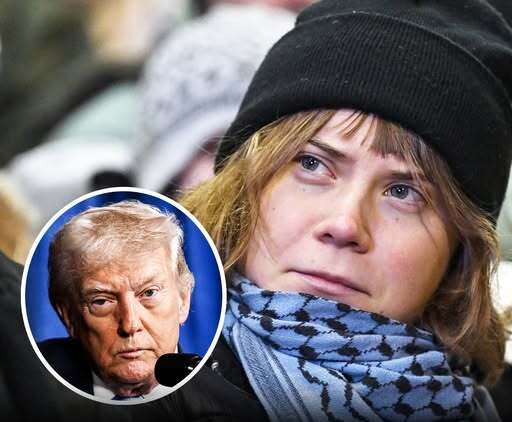
Ceasefire Between United States and Iran Sparks Intense Public Debate
A Fragile Pause After Weeks of Rising Tension
A temporary ceasefire between the United States and Iran has created a brief moment of relief after weeks of escalating hostility, but the public reaction surrounding the agreement remains tense and deeply divided.
The two-week pause was reached after urgent diplomatic discussions involving several international officials. Pakistani leaders were among those described as encouraging restraint during a critical stage of the talks.
One central condition of the ceasefire is the complete and safe reopening of the Strait of Hormuz, a passage considered vital for global oil movement and economic stability.
Why the Strait of Hormuz Matters
The Strait of Hormuz plays a major role in international energy trade. Any disruption there can affect shipping routes, oil markets, and wider economic confidence far beyond the region.
Its safe reopening is therefore more than a logistical step. It signals an effort to reduce immediate danger and restore a measure of stability after a period of serious uncertainty.
Although the ceasefire does not resolve the broader dispute, it offers both sides a short window to continue discussions without the immediate pressure of further escalation.
Iran’s Ceasefire Proposal
Iran presented a proposal to the United States that included ten conditions for a ceasefire. The plan was described as a possible basis for continued negotiations during the two-week pause.
Several long-running issues were said to have already been addressed in principle, leaving the remaining period for final talks and possible agreement on unresolved points.
On paper, the development suggested progress. In practice, however, the atmosphere around the agreement remained far from calm.
Trump’s Remarks Draw Strong Reaction
Public attention quickly shifted to comments attributed to Donald Trump shortly before the ceasefire was announced. His remarks included a sharp warning to Iran and suggested severe consequences if no agreement was reached.
The tone of those comments drew criticism from political observers, media figures, and members of the public. Some viewed the remarks as a hard-line negotiating tactic, while others believed the language risked increasing tension in an already unstable situation.
The criticism did not come only from long-time opponents. Some voices that had previously supported Trump’s approach also questioned whether such rhetoric was appropriate during a sensitive international crisis.
Greta Thunberg Responds
Greta Thunberg also reacted strongly to the remarks. In a video posted online, she criticized the normalization of extreme language surrounding war, destruction, and political power.
Her response connected the moment to broader concerns about violence, accountability, human rights, and environmental harm. She argued that silence during such moments should not be treated as neutral.
Supporters praised her for speaking directly during a tense period. Critics argued that her comments were too forceful and questioned whether she should weigh in so strongly on geopolitical conflict.
A Larger Debate Over Words and Power
The reaction highlighted how public speech by powerful figures can influence global perception during moments of crisis. Words used in high-pressure situations can affect diplomacy, public fear, and international trust.
The disagreement also showed how the boundaries between activism, politics, and foreign policy debate continue to blur. Public figures outside government increasingly shape conversations around international events.
For now, the ceasefire remains temporary. Two weeks may create space for negotiation, but it does not erase years of mistrust or settle the deeper issues between the two countries.
Uncertain Days Ahead
The immediate risk of further escalation has been reduced, at least for the moment. That pause is significant, especially after weeks of growing concern.
Still, the controversy surrounding the comments made before the agreement continues to shape how many people view the ceasefire itself.
As the two-week period continues, attention will turn to the negotiations, the conditions attached to the agreement, and whether both sides can move toward a longer-term solution.
The outcome remains uncertain, but the moment has already shown how quickly diplomacy, public rhetoric, and global reaction can become deeply connected during an international crisis.