

James Gandolfini’s Journey From New Jersey Teen to Television Legend
Early Life in New Jersey
Long before audiences around the world knew him as Tony Soprano, James Gandolfini was growing up in New Jersey surrounded by a hardworking family and a close-knit community.
Born on September 18, 1961, Gandolfini spent his childhood in a working-class household where dedication and discipline shaped everyday life. His father worked as a maintenance supervisor at a Catholic school, while his mother served as a cafeteria worker at a local high school.
Despite the modest environment he came from, those who knew Gandolfini during his younger years often described him as energetic, charismatic, and approachable. Friends remembered someone who naturally connected with people and carried himself with quiet confidence.
His personality made him popular among classmates, and he quickly became known as someone who could make others feel comfortable in any setting.
A Memorable Presence in High School
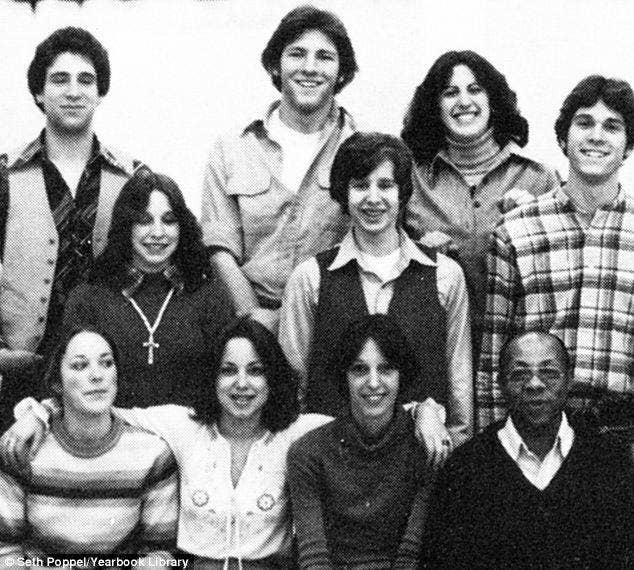
During his high school years, Gandolfini stood out for more than just his physical presence. He was active in school life and developed a reputation as someone with charm and natural leadership qualities.
Teachers and classmates alike remembered him as friendly, funny, and easy to talk to. He carried a strong sense of confidence while still remaining grounded and approachable.
It was also during this period that he began exploring acting more seriously. Theater became an important outlet for him, offering a chance to express himself creatively while discovering a passion that would later define his career.
Those early performances helped shape the foundation for what would become one of television’s most respected acting careers.
College Years and the Road Ahead
After high school, Gandolfini attended Rutgers University and earned a degree in communications. Even with a college education completed, the path to success in entertainment was far from guaranteed.
Like many aspiring actors, he faced years of uncertainty while searching for opportunities in a competitive industry. He worked various jobs and accepted smaller acting roles while continuing to pursue larger ambitions.
Those close to him later reflected on how determined he remained during that period of his life. Rather than expecting overnight success, he stayed committed to improving his craft and building experience.
His persistence eventually paid off, though the breakthrough that changed everything would not arrive until years later.
The Role That Changed Television
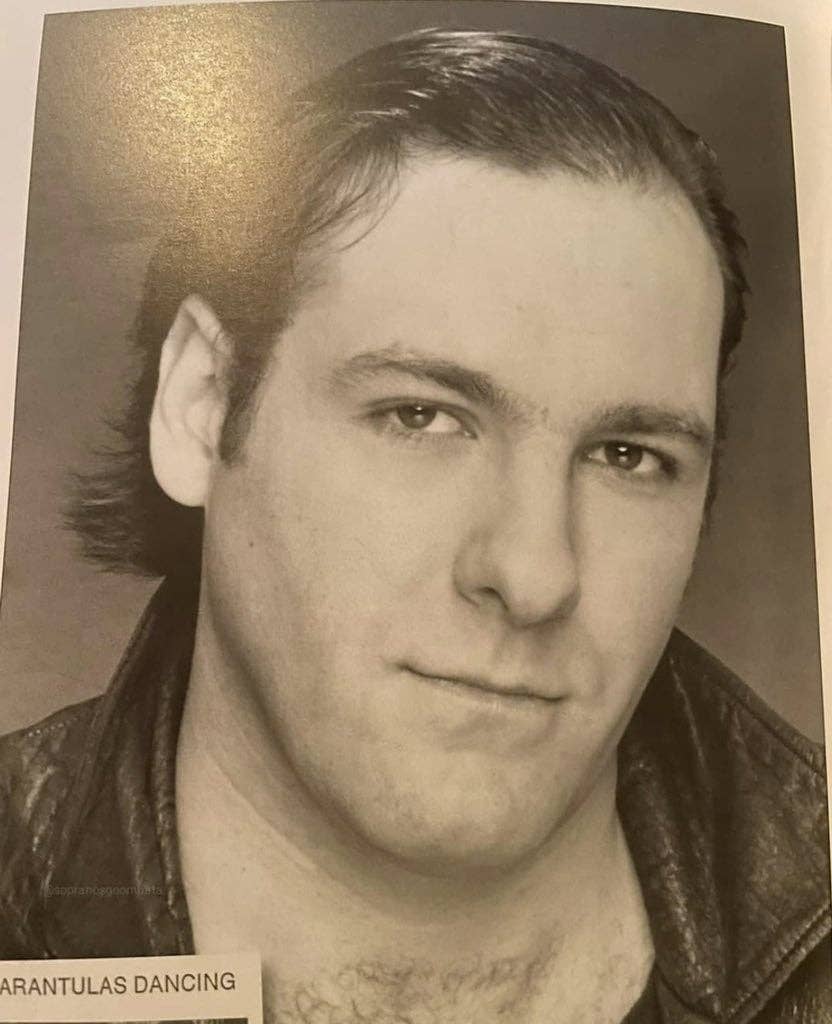
In 1999, Gandolfini stepped into the role that would permanently change his career and reshape television storytelling.
When The Sopranos premiered on HBO, audiences were introduced to Tony Soprano, a complex mob boss struggling to balance organized crime, family responsibilities, and personal emotional battles.
The character immediately stood apart from traditional television protagonists. Tony Soprano could be intimidating, violent, and ruthless, yet at the same time deeply vulnerable and emotionally conflicted.
Gandolfini’s performance brought a level of realism and emotional depth rarely seen on television at the time. Viewers watched a character who could command fear in one scene and reveal painful insecurity in the next.
The series quickly became a major cultural phenomenon, drawing widespread praise from critics and audiences alike.
As the central figure of the show, Gandolfini received enormous recognition for his work. His portrayal earned him three Emmy Awards as well as a Golden Globe, firmly establishing him among the most respected actors in television history.
Redefining the Television Antihero
Before The Sopranos, television often presented heroes and villains in relatively clear terms. Gandolfini’s portrayal of Tony Soprano challenged that formula.
Through his performance, audiences were invited into the mind of a deeply flawed man whose actions could be both horrifying and strangely relatable.
The role transformed expectations for dramatic television characters and influenced countless productions that followed.
Many later television antiheroes shared qualities first brought to mainstream audiences through Tony Soprano’s character arc. Gandolfini’s work helped pave the way for more layered storytelling across the entertainment industry.
His ability to move between menace, humor, sadness, and vulnerability made the performance unforgettable.
Life Beyond the Fame
Although The Sopranos made him internationally famous, people close to Gandolfini often described him as remarkably humble away from the spotlight.
Despite receiving widespread acclaim, he reportedly remained uncomfortable with celebrity culture and rarely embraced the image of a Hollywood star.
He was known for his self-deprecating humor and often joked about himself during interviews. At one point, he humorously compared himself to a heavier version of filmmaker Woody Allen, reflecting the modest attitude he maintained throughout his career.
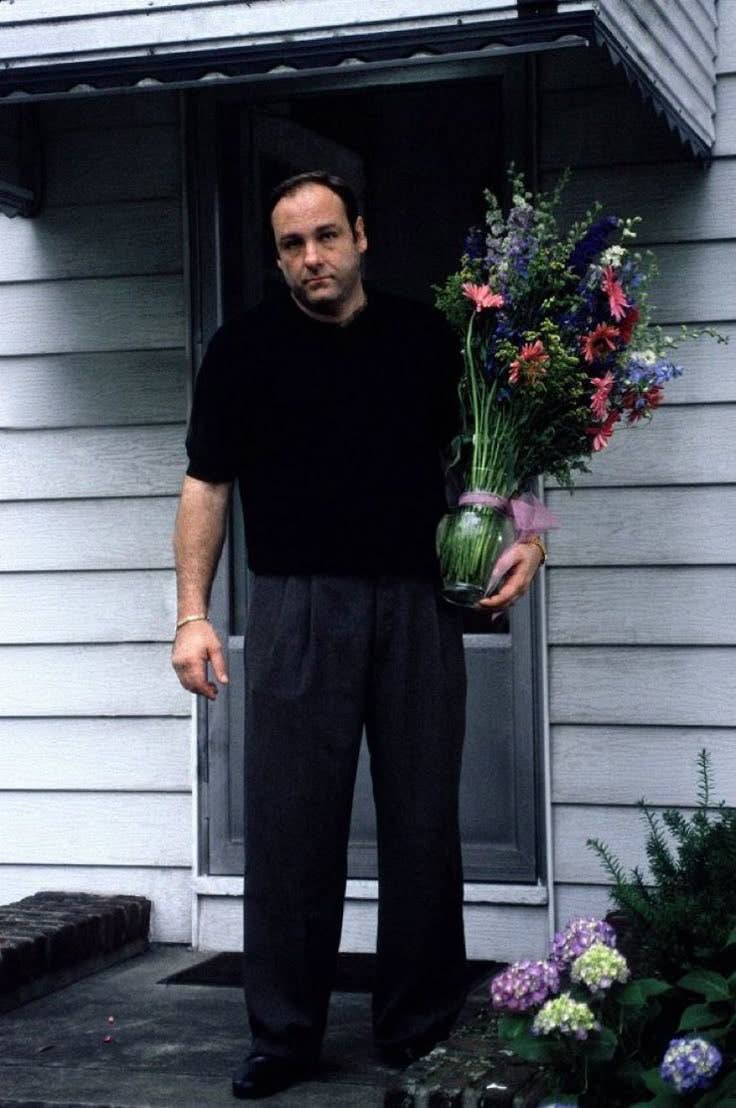
Friends and colleagues frequently spoke about his generosity and kindness behind the scenes. While audiences associated him with the intimidating Tony Soprano persona, those who knew him personally described someone far gentler in real life.
Many remembered him as deeply caring toward family, coworkers, and friends.
A Beloved Figure Off Screen
As his fame continued to grow, Gandolfini gained admiration not only for his acting ability but also for the way he treated people around him.
Co-stars and industry professionals often recalled moments of generosity and compassion that reflected his true character.
Even while carrying the pressure of leading one of television’s most successful dramas, he remained approachable and grounded.
That contrast between the feared Tony Soprano and the warm personality behind the role became one of the reasons audiences respected him so deeply.
Fans connected with the honesty and emotional authenticity he brought to his performances, while those who worked beside him appreciated the kindness he showed when cameras were no longer rolling.
A Sudden and Heartbreaking Loss
In 2013, the entertainment world was stunned by the sudden news of Gandolfini’s death.
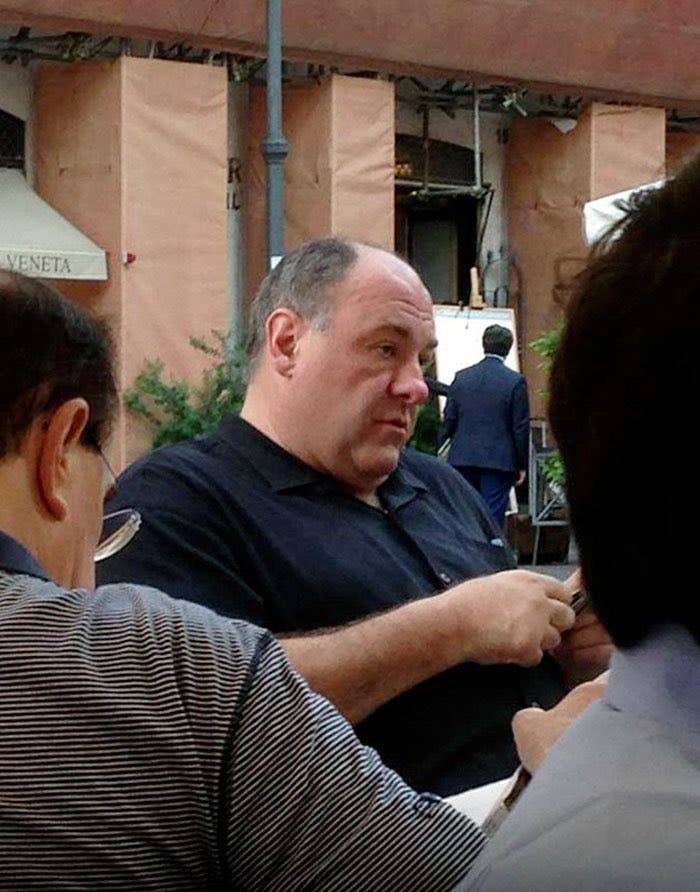
While traveling in Italy with his family, he suffered a fatal heart attack. He was only 51 years old.
The loss triggered an enormous wave of grief from fans, actors, directors, and colleagues across the industry.
For many viewers, Gandolfini had become inseparable from one of television’s greatest dramas. His death felt not only like the loss of an extraordinary actor but also the loss of a deeply respected person.
Tributes poured in from around the world as people reflected on the impact he had made through his performances and personal relationships.
The Family He Left Behind
Gandolfini is survived by his wife, Deborah Lin, and his children.
Among them is his son Michael Gandolfini, who later stepped into an emotionally significant role connected to his father’s legacy.
Michael portrayed a younger version of Tony Soprano in The Many Saints of Newark, revisiting the iconic character that made his father famous.
The experience carried deep emotional meaning. In interviews, Michael spoke openly about the challenge of stepping into a role so strongly associated with his father.
While millions of fans saw James Gandolfini as a television legend, Michael emphasized that to him, he was simply “Dad.”
That personal perspective added another emotional layer to the continuation of the Sopranos story.
An Enduring Legacy in Television
Years after his passing, Gandolfini’s influence on television remains impossible to ignore.
The Sopranos continues to be celebrated as one of the defining television dramas of its era, and his performance as Tony Soprano is still widely regarded as one of the greatest acting achievements in television history.
New generations of viewers continue discovering the series, while actors and creators frequently point to Gandolfini’s work as a benchmark for character-driven storytelling.
His performances demonstrated that television characters could be emotionally layered, morally complicated, and deeply human all at once.
That influence continues to shape dramatic storytelling across the industry today.
Remembering James Gandolfini
From his early days growing up in New Jersey to becoming the face of one of television’s most influential series, James Gandolfini’s life reflected both determination and authenticity.
He built a career defined by emotional honesty, unforgettable performances, and a rare ability to connect with audiences.
Although his life ended far too soon, the work he left behind continues to resonate with viewers around the world.
For many fans, Gandolfini will always be remembered not only as Tony Soprano but also as a performer who changed television forever.
Behind the legendary role was a real person whose warmth, humility, and talent left a lasting mark far beyond the screen.