
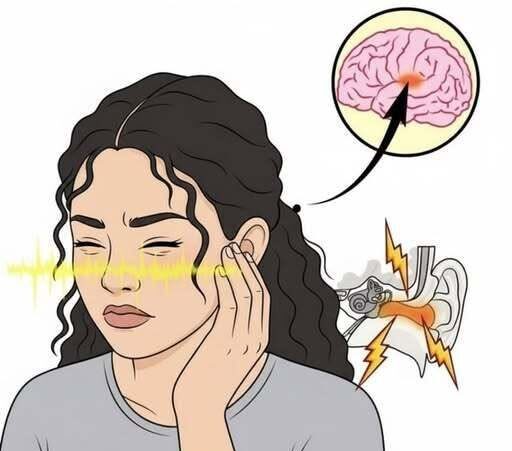
When Ringing in the Ears Should Not Be Ignored
A Small Sound That Can Point to a Larger Problem
It can begin so quietly that many people barely notice it at first. A faint ringing, buzzing, humming, clicking, or hissing sound may appear while trying to sleep, sitting alone, or spending time in a quiet room.
At first, the sound may seem like a harmless irritation. Some may blame fatigue, stress, silence, or a passing change in the ear. But when the noise continues, grows stronger, or appears with other symptoms, it may deserve serious attention.
Tinnitus is not simply an annoying sound. For many people, it is a signal that something in the hearing system, nervous system, or blood flow near the ear may not be working as it should.
The condition can affect sleep, focus, mood, and daily comfort. In some cases, it may also point to problems that need medical evaluation, especially when the sound is sudden, one-sided, rhythmic, or linked with dizziness, pain, or balance issues.
What Tinnitus Really Means
Tinnitus is the perception of sound when no outside sound source is present. A person may hear ringing, buzzing, clicking, humming, hissing, or another internal noise that others cannot detect.
Many people think of tinnitus as a disease, but it is better understood as a symptom. It can develop when something affects the inner ear, the auditory nerve, or the way the brain processes sound signals.
The sound may come and go, or it may remain constant. It may be soft enough to ignore during the day but more noticeable at night, when surrounding noise fades and the brain has fewer outside sounds to focus on.
For some people, tinnitus is temporary and manageable. For others, it becomes persistent and disruptive, making ordinary moments feel exhausting.
Subjective and Objective Tinnitus
There are two main forms of tinnitus: subjective tinnitus and objective tinnitus. Understanding the difference matters because each form can point to different underlying causes.
Subjective tinnitus is the most common type. In this form, only the person experiencing it can hear the sound. It is often connected to age-related hearing changes, exposure to loud noise, stress, or earwax buildup.
Subjective tinnitus can also be associated with changes in the auditory nerve or the brain’s interpretation of sound. Even when no external noise exists, the brain may continue to register a signal as sound.
Objective tinnitus is much rarer. In this form, a doctor may sometimes be able to hear the sound during an examination, often by using a stethoscope.
This type can be more concerning because it may be linked to physical movement or activity near the ear, including abnormal blood vessel activity or muscle spasms. When tinnitus has a rhythmic or pulsing quality, it should be taken seriously.
Why the Noise Should Not Be Dismissed
Tinnitus affects a large number of adults. One in ten adults experiences it regularly, making it a common issue that many people try to tolerate without seeking help.
Although some cases remain mild, others become chronic and deeply disruptive. Persistent internal noise can interfere with concentration, disturb sleep, and increase emotional strain.
The danger is not only the sound itself. The greater concern is what may be causing it.
When someone decides to simply live with tinnitus, they may miss an opportunity to address hearing damage, nerve involvement, ear blockage, or circulatory concerns. Early attention can help identify whether the sound is harmless, manageable, or connected to something more serious.
Tinnitus does not always mean there is a dangerous condition. However, it is a symptom that deserves context, especially when it changes, worsens, or appears with other warning signs.
When Tinnitus Becomes a Red Flag
Some tinnitus symptoms should not be ignored. If the ringing or buzzing occurs in only one ear, medical evaluation is important.
Ringing in both ears is common, especially when linked to noise exposure or age-related hearing changes. But tinnitus in only one ear can sometimes raise concerns that need professional review.
Sudden tinnitus should also be treated with caution. A noise that appears abruptly, especially if it does not fade, may require prompt attention.
Tinnitus that becomes worse over time should not be brushed aside either. A gradual increase in intensity can suggest that the underlying issue is progressing or that the ear is continuing to experience stress or damage.
Other symptoms can make the situation more urgent. Dizziness, balance problems, persistent ear pain, or a feeling that something is not right should be considered medical priorities rather than minor inconveniences.
Why Pulsing Sounds Are Especially Important
A pulsing or rhythmic sound in the ear is one of the most important warning signs. This form can feel as if the sound is beating in time with the pulse.
Because this kind of tinnitus may be connected to blood flow or vascular activity near the ear, it requires targeted medical evaluation. It should not be treated as ordinary ringing.
Rhythmic tinnitus may have causes that differ from common subjective tinnitus. While ordinary ringing may be linked to hearing damage or earwax, pulsing tinnitus can point toward circulation-related issues.
That does not mean every pulsing sound is dangerous. It does mean that guessing is not enough. A professional assessment can help determine whether the source is simple, treatable, or more serious.
Common Triggers Behind Tinnitus
Tinnitus can have several possible triggers. One of the most common is exposure to loud noise.
High-decibel environments can damage the auditory system, especially when exposure is repeated or prolonged. Once hearing structures are injured, the damage may become permanent.
Age-related hearing loss can also play a role. As hearing changes over time, the brain may compensate for missing sound signals in ways that produce internal noise.
Stress is another common factor. When the nervous system is tense or overstimulated, tinnitus may feel louder or harder to ignore.
Earwax buildup can also contribute. In some cases, a manageable blockage may affect hearing and increase the perception of ringing or buzzing.
The Link Between Hearing Loss and Tinnitus
Tinnitus is often connected with hearing loss. When the ear is not receiving sound clearly, the brain may become more aware of internal signals.
This is one reason tinnitus may feel stronger in quiet settings. With fewer external sounds available, the internal noise becomes more noticeable.
Hearing loss does not always feel obvious at first. A person may not realize they are missing certain tones or struggling in background noise until tinnitus draws attention to the issue.
When hearing loss is suspected, waiting can make the problem harder to manage. A hearing evaluation can help identify whether hearing changes are contributing to the noise.
How Tinnitus Affects Daily Life
For some people, tinnitus is only a mild distraction. For others, it can become a constant presence that changes the way they move through the day.
Sleep is often one of the first areas affected. A quiet bedroom can make ringing or buzzing feel louder, turning rest into a struggle.
Concentration may also suffer. Reading, working, studying, or holding conversations can become more difficult when the brain is constantly aware of internal sound.
Emotional well-being can be affected as well. Persistent tinnitus may increase frustration, anxiety, irritability, or a sense of helplessness.
The sound may be invisible to others, but its impact can be very real. This is why managing tinnitus is not only about the ears; it is also about protecting quality of life.
Protecting the Ears From Further Damage
One of the most important steps is reducing exposure to loud noise. High-decibel environments are a leading cause of lasting auditory damage.
People who regularly encounter loud sound should use proper ear protection. This may include high-quality earplugs or protective equipment in noisy settings.
Protection should not be reserved only for extreme noise. Repeated exposure to loud music, machinery, or crowded environments can add up over time.
Once the hearing system is damaged, it may not fully recover. Preventing further injury is often easier than trying to reverse damage later.
Lifestyle Factors That May Intensify the Sound
Certain lifestyle factors can make tinnitus feel more noticeable. Excessive caffeine and nicotine are two examples.
Both act as stimulants and may affect blood vessels. For some people, this can intensify the perception of tinnitus or make the sound harder to ignore.
Stress can also increase the body’s sensitivity to internal noise. When the nervous system is already under pressure, the ringing may seem sharper or more intrusive.
Relaxation techniques may help reduce the body’s reaction to tinnitus. Mindfulness, cognitive behavioral therapy, and simple calming routines can help lower the sense of alarm around the sound.
These steps may not erase tinnitus immediately, but they can help reduce its grip on attention and emotion.
Sound Therapy and Masking
When tinnitus disrupts sleep or focus, sound therapy can provide relief. The goal is to give the brain another sound to process so the internal ringing becomes less dominant.
White noise, soft background sound, or specialized masking machines can help some people function more comfortably. These tools do not cure tinnitus, but they can make it easier to rest or concentrate.
Sound therapy is often most useful in quiet environments. At night, even a gentle background sound may help reduce the contrast between silence and ringing.
For people whose tinnitus becomes overwhelming in silence, masking can provide a practical way to regain a sense of control.
Why Hearing Aids May Help
When tinnitus is connected to hearing loss, hearing aids can be especially helpful. By amplifying external sounds, they may reduce the brain’s focus on internal noise.
Hearing aids can make speech, environmental sounds, and daily listening easier. At the same time, they may help mask the tinnitus that becomes more noticeable when hearing is reduced.
This is why a hearing assessment can be an important step. If hearing loss is present, treating it may improve both communication and tinnitus management.
Ignoring hearing changes can allow the problem to continue affecting daily life. Addressing them may provide relief and prevent further strain.
The Importance of Professional Evaluation
The goal is not only to cover the sound with background noise. The goal is to understand why the sound is happening.
A professional evaluation can help rule out serious causes, including vascular or nerve-related conditions that may require medical attention. It can also identify more manageable issues, such as earwax buildup or hearing changes.
Medical guidance is especially important when tinnitus is one-sided, sudden, worsening, pulsing, painful, or linked to dizziness or balance problems.
Because tinnitus can have many causes, guessing can lead to unnecessary fear or dangerous delay. A proper evaluation provides clarity.
Taking Back Control
Tinnitus can feel frightening when it appears without explanation. The uncertainty may be just as stressful as the sound itself.
But ignoring the noise does not create peace of mind. Understanding it does.
By paying attention to warning signs, protecting the ears, reducing possible triggers, managing stress, and seeking professional care when needed, a person can take meaningful steps toward relief.
There may not be a magic pill that instantly silences tinnitus, but there are ways to reduce its impact and identify what may be causing it.
The sound may be small at first, but it should not be dismissed when it persists or changes. Your ears may be signaling that something needs attention.
Listening to that signal can protect hearing, reduce anxiety, and help restore confidence. Peace does not come from pretending the sound is not there; it comes from finding out what it means and taking action before the mystery grows louder.