
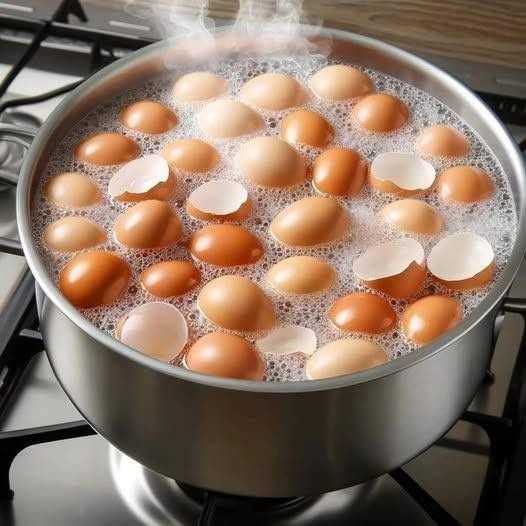
Boil Eggshells in a Saucepan: The Surprising Household Hack That Saves Money
A Simple Kitchen Scrap With Garden Value
Eggshells are often treated as ordinary kitchen waste. After breakfast, baking, or meal preparation, many people throw them away without considering that they can still serve a practical purpose around the home.
These thin, fragile shells may not look useful at first glance, but they contain natural minerals that can support garden soil and plant growth. With a simple boiling method, leftover eggshells can be turned into a gentle plant supplement and soil amendment.
This household hack is easy, inexpensive, and practical. It helps reduce waste while giving gardeners another way to care for vegetables, flowers, container plants, and indoor greenery.
Instead of buying every garden product from a store, homeowners can reuse something they already have in the kitchen. Eggshells will not replace every soil treatment, but they can become part of a steady, natural gardening routine.
Why Eggshells Can Help in the Garden
Eggshells are made mainly of calcium carbonate. This is the same basic compound found in agricultural lime, a material often associated with soil care and calcium support.
Calcium is an important nutrient for plants because it helps them develop strong cell walls. When plants receive enough calcium, they are better able to maintain healthy growth and structure.
Many common garden plants rely on calcium throughout their growing cycle. Tomatoes, peppers, and squash are examples of plants that can be affected when calcium is not available in sufficient amounts.
One issue linked to calcium deficiency is blossom-end rot. This problem is often seen in fruiting vegetables and can frustrate gardeners who are trying to grow healthy produce.
Adding eggshells to the garden does not create instant results. However, over time, they can help return calcium and other minerals to the soil as they break down.
A Natural Source of Calcium
The most widely recognized benefit of eggshells is their calcium content. Calcium supports plant development and contributes to stronger growth from the cellular level.
When eggshells are added to soil, they slowly decompose. As they break apart, they release calcium in small amounts into the growing environment.
This gradual release makes eggshells different from stronger commercial products. They work slowly and gently, making them better suited as part of regular soil care rather than as an emergency correction.
For gardeners who regularly cook with eggs, saving shells can become an easy habit. Each shell that would have gone into the trash can instead become a small contribution to the garden.
Using eggshells is especially appealing because it costs almost nothing. The shells are already available after normal kitchen use, and the preparation process requires only water, heat, and a little time.
How Eggshells May Help With Garden Pests
Crushed eggshells are also used by some gardeners as a physical barrier around plants. The sharp, rough texture may discourage certain crawling pests from moving across the surface.
Some people place crushed shells around vulnerable plants to help protect them from slugs and snails. The idea is that the rough pieces create an uncomfortable path for soft-bodied pests.
The effectiveness of eggshells for pest control can vary. Results are not guaranteed, and gardeners may see different outcomes depending on the type of pest, soil conditions, weather, and placement.
For that reason, eggshells are best viewed as one part of a broader pest-management routine. They can be used alongside other sensible garden practices rather than relied on as the only solution.
Even when they do not fully stop pests, crushed shells can still add value to the soil as they decompose. This makes them useful in more than one way.
Supporting Soil Health Over Time
Healthy soil is the foundation of a productive garden. Plants depend on soil not only for physical support, but also for water, minerals, and the environment their roots need to grow.
Eggshells contribute minerals as they break down. Their effect is gradual, but small additions over time can help support the overall quality of the soil.
In some conditions, eggshells may also help moderate soil acidity. However, this effect is slower and less powerful than what gardeners would expect from commercial soil amendments.
Because eggshells decompose slowly, they should not be viewed as a quick fix. They are better suited for gardeners who are patient and consistent with their soil-care habits.
Used regularly, eggshells can become part of a simple cycle: food scraps from the kitchen return to the garden, where they help support future plant growth.
How to Make Eggshell Water for Plants
One of the simplest ways to reuse eggshells is to boil them in water. This creates eggshell water, a mild liquid supplement that can be used during normal watering.
The boiling process helps clean and sterilize the shells. It also allows small amounts of minerals to move into the water.
To make eggshell water, you only need eggshells from several eggs, a saucepan, water, a strainer, and a clean container or watering can.
This method is simple enough for beginners. It does not require special gardening equipment, expensive materials, or complicated measurements.
The result is a gentle mineral-rich water that can be used for vegetables, flowers, container plants, and some indoor houseplants as part of a regular care routine.
Step One: Clean the Eggshells
The first step is to rinse the eggshells thoroughly. This removes leftover egg residue that may remain on the inside of the shell.
Cleaning the shells helps prevent unpleasant odors. It also keeps the preparation process cleaner and more suitable for household use.
Rinsed eggshells are easier to store if they are not used immediately. They are also better suited for boiling, crushing, or adding to compost later.
This step may seem small, but it makes the entire process more practical. Clean shells are less likely to attract unwanted smells or create mess in the kitchen.
Step Two: Boil the Shells
After cleaning, place the eggshells into a saucepan. Cover them with water and bring the water to a boil.
Once boiling, allow the shells to simmer for approximately 10 minutes. This helps sterilize the shells and allows small amounts of minerals to infuse into the water.
The shells will remain mostly intact during this process. The purpose is not to dissolve them completely, but to create a mild mineral water while also preparing the shells for later use.
Boiling eggshells is a simple step that makes the hack more useful. It gives gardeners both liquid eggshell water and leftover shells that can still be dried and crushed.
Step Three: Cool and Strain
After simmering, remove the saucepan from the heat. Allow the water and shells to cool completely before handling them.
Once cooled, strain the liquid into a clean container. This separates the eggshell water from the solid shell pieces.
The strained water can be poured into a watering can or stored briefly in a clean container for use on plants. It should be used as a gentle supplement, not as a replacement for all plant care.
The remaining shells should not be thrown away. They can still be dried, crushed, and added directly to soil or compost.
Step Four: Dry and Crush the Shells
After straining, let the shells dry. Once they are fully dry, crush them into small pieces or grind them into a fine powder.
A mortar and pestle can be used for crushing. A blender or coffee grinder can make the shells finer and easier to mix into soil.
The smaller the pieces, the more easily they can be worked into the garden bed or container soil. Finely ground shells may break down more efficiently than large pieces.
Crushed shells can be sprinkled around plants, mixed into soil, or added to a compost pile. This gives the shells a second use after the eggshell water has been prepared.
How to Use Eggshell Water
Eggshell water can be used during normal watering. It may be poured around the base of plants in vegetable gardens, flower beds, containers, and indoor pots.
The water provides a gentle mineral boost. It is not meant to overwhelm plants or replace balanced soil care.
Because the mineral content is mild, eggshell water works best when used consistently over time. It can become part of a regular garden routine rather than a one-time treatment.
Gardeners should still pay attention to the needs of each plant. Some plants may require different soil conditions, watering schedules, or nutrients.
Eggshell water is most useful when it supports an already thoughtful approach to plant care. It is simple, low-cost, and easy to repeat whenever eggshells are available.
Adding Crushed Eggshells to Soil
Crushed eggshells can be mixed directly into garden soil. They may also be added around the base of plants where they can slowly break down.
As the shells decompose, they release calcium and trace minerals into the soil. This process happens gradually, so patience is important.
For container plants, crushed shells can be added in small amounts. Potted plants have limited soil space, so moderate use is best.
Eggshells can also be worked into soil before planting. This allows them to become part of the growing environment from the beginning of the season.
Because eggshells do not break down quickly, gardeners should not expect immediate changes. Their value comes from steady use over time.
Creating a Simple Pest Barrier
Another use for crushed eggshells is creating a barrier around vulnerable plants. The rough texture may discourage certain crawling pests from crossing the area.
To try this method, sprinkle crushed shells in a ring around the plant. The pieces should be spread close enough to create a noticeable surface barrier.
This approach may be helpful in some gardens, but results can vary. It should not be treated as a guaranteed pest-control method.
Gardeners who use eggshells for this purpose should combine them with observation and other practical steps. If pests continue to damage plants, additional measures may be needed.
Even if the barrier effect is limited, the shells can still contribute minerals to the soil as they break down.
Adding Eggshells to Compost
Eggshells can also be added to compost piles. They contribute calcium and other minerals that help enrich finished compost.
Before adding them, it is helpful to crush the shells. Smaller pieces are easier to distribute throughout the compost and may break down more effectively.
Composting eggshells is another way to reduce household waste. Instead of sending kitchen scraps to the trash, they are returned to the soil in a useful form.
Once the compost is ready, it can be used in garden beds, containers, or around plants. The eggshells become part of a larger mix of organic material.
Using Eggshells for Container Plants
Container plants can benefit from occasional applications of eggshell water or crushed shells. Since potted plants grow in a limited amount of soil, gardeners often look for simple ways to refresh the growing medium.
Eggshell water can be used gently during the growing season. Crushed shells can also be mixed into the soil in small amounts.
As with garden beds, the results are gradual. Eggshells should be used as a supporting habit rather than as a complete plant-care solution.
Indoor houseplants may also receive eggshell water from time to time. However, gardeners should avoid overwatering and should follow the normal moisture needs of each plant.
A Free Way to Reduce Waste
One of the biggest advantages of this hack is that it makes use of something that would usually be discarded. Eggshells are common in many kitchens and cost nothing extra to save.
Using them in the garden can reduce household waste while providing a natural alternative to some store-bought soil supplements.
This does not mean eggshells can replace every gardening product. Severely depleted or calcium-deficient soils may still require additional amendments.
However, for everyday gardening, eggshells can be a useful and affordable addition. They fit well into a routine focused on recycling, saving money, and caring for plants naturally.
Important Limits to Keep in Mind
Eggshells can be helpful, but they are not a miracle solution. They break down slowly and should not be expected to solve every soil or plant problem.
Their effectiveness depends on soil conditions, plant needs, and how consistently they are used. Some gardens may show more benefit than others.
They work best as part of a broader soil-care plan. Good watering habits, healthy soil structure, compost, and proper plant selection all remain important.
If soil is severely lacking in calcium, eggshells alone may not be enough. In those cases, stronger amendments may be necessary.
For most home gardeners, the best approach is to treat eggshells as a helpful supplement. Small amounts added over time can contribute to healthier soil and stronger plants.
Final Thoughts
Before throwing away the next eggshell, it may be worth giving it a second life in the garden. A simple saucepan of boiling water can turn leftover shells into a practical plant-care resource.
Eggshell water can be used to gently water plants, while the remaining shells can be dried, crushed, and added to soil or compost. This makes the entire shell useful from start to finish.
The method is easy, affordable, and eco-friendly. It reduces waste, saves money, and supports plant health in a natural way.
With consistency, eggshells can become a small but meaningful part of everyday gardening. One shell at a time, a common kitchen scrap can help nourish the soil and support a thriving garden.