
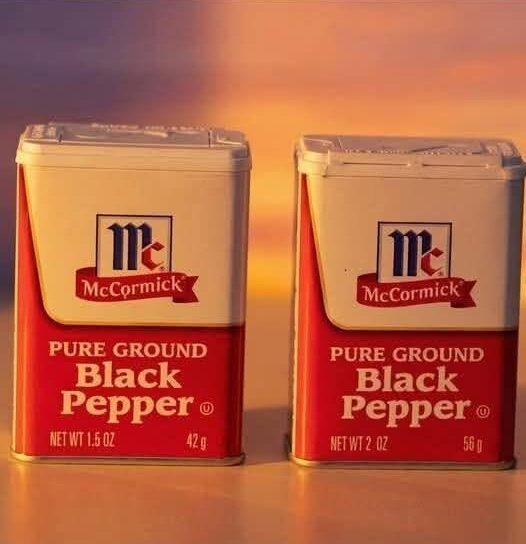
How Packaging Design Shapes Consumer Choices and Perceived Value
Visual Design Plays a Major Role in Shopping Decisions
Packaging design has a powerful influence on how shoppers judge products, compare value, and make purchasing decisions. In many everyday shopping situations, consumers do not carefully examine every label or measure every quantity before placing an item in their cart.
Instead, they often depend on fast visual impressions. The size of a container, its shape, its color, and the familiarity of the brand can all affect what a shopper believes about the product inside.
This reliance on visual cues is especially important during quick shopping trips. When people are moving through store aisles, comparing several products at once, or buying items they already know, they may not stop long enough to notice small changes in quantity or packaging details.
As a result, packaging can shape not only what consumers choose, but also how much value they believe they are receiving. A package that looks familiar may create the impression of consistency, even when the amount inside has changed.
Familiar Packaging Can Create Assumptions
One of the key issues raised by packaging design is the way familiar containers influence expectations. When a product appears to be the same size and style as before, shoppers may naturally assume the quantity has remained the same as well.
This assumption can happen even when the label clearly states the current amount. Many shoppers do not focus on exact measurements unless they are actively comparing prices or checking for a specific quantity.
For products purchased repeatedly, visual memory can become a strong guide. A consumer may remember the container, the brand, the shelf location, and the general look of the product more clearly than the exact number printed on the package.
When the package remains visually consistent, that familiarity can reduce scrutiny. The shopper may believe the product offers the same value as before because the overall presentation has not noticeably changed.
This does not necessarily mean that labeling rules have been ignored. A package can include accurate information while still creating a visual impression that many buyers interpret quickly and imperfectly.
Container Size and Shape Affect Perceived Quantity
Container size is one of the most immediate signals consumers use when judging value. A larger-looking package can suggest abundance, while a smaller-looking package can suggest less product, even before the shopper checks the label.
Shape also matters. A container may look tall, wide, deep, compact, or heavy, and each of these features can influence how much product a person believes it contains.
When shoppers are comparing products on a shelf, they may not calculate volume or weight precisely. They often make quick judgments based on what appears larger, more substantial, or more familiar.
This can become confusing when two packages look similar but contain different quantities. It can also become confusing when a package keeps the same outer appearance while the product amount inside changes.
Because visual comparison happens quickly, small differences in net quantity may be overlooked. The consumer may feel that the package represents the same value unless something clearly signals otherwise.
Less Product in the Same Package Can Go Unnoticed
When a package keeps the same size but contains less product, many consumers may not immediately recognize the difference. The outside appearance can continue to communicate sameness, even if the actual quantity has changed.
This is especially true when the product is one the buyer purchases regularly. Familiarity can make the decision feel automatic, reducing the likelihood that the shopper will pause to inspect the label closely.
During routine shopping, people may rely on memory rather than measurement. They may remember that a certain brand or container usually meets their needs, and that memory can override closer examination.
If the change is not obvious, the shopper may only notice later, after using the product or comparing it with past purchases. By then, the purchase decision has already been made.
This type of packaging situation can affect trust. Even when the quantity is printed on the label, consumers may feel confused or disappointed if the visual presentation led them to expect something different.
Opaque Containers Add Another Layer of Uncertainty
Opaque packaging can further shape consumer perception because buyers cannot easily see what is inside. When the contents are hidden, shoppers must rely even more heavily on the outside design, label, and brand reputation.
Clear packaging allows consumers to visually confirm the amount, texture, or fullness of a product. Opaque containers remove that direct view, making the exterior presentation more influential.
In these cases, the package becomes the primary source of visual information. Its size, weight, and design may strongly affect the shopper’s belief about how much product is included.
This can create uncertainty when the container appears generous but the actual contents are less than expected. The buyer may not discover the difference until after opening the product.
Opaque packaging is not automatically misleading, but it can increase the gap between perception and reality. The less consumers can see, the more they must trust the package and the company behind it.
Quick Shopping Trips Reduce Detailed Comparisons
The article highlights how shopping behavior often depends on speed and convenience. Many consumers do not approach every purchase as a detailed investigation.
In a busy store environment, buyers may be managing time, budget, family needs, and a long list of items. Under those conditions, they are more likely to choose products based on quick recognition.
Brand familiarity becomes especially powerful in this setting. A trusted name or recognizable package can make the product feel like a safe choice without requiring close review.
Visual impressions can therefore outweigh careful comparisons. A shopper may notice the color, logo, container size, and shelf position long before reading the fine print.
This pattern explains why packaging design matters so much. It does not simply protect or display a product; it also guides consumer expectations during the brief moment when a buying decision is made.
Labels May Be Accurate but Still Overlooked
Packaging labels provide important information about quantity, ingredients, usage, and other product details. However, the presence of accurate labeling does not guarantee that shoppers will notice or understand every detail during a purchase.
Consumers often look at labels only when something prompts them to do so. They may check a label when trying a new product, comparing prices, following dietary needs, or looking for a specific feature.
For familiar purchases, the process is often much faster. The shopper sees the product, recognizes it, and places it in the cart without examining every measurement.
This gap between available information and consumer attention is central to the issue. A company may comply with labeling requirements, but shoppers may still rely more on packaging appearance than on printed details.
That difference can create frustration. Consumers may feel that they were not fully aware of what they were buying, even if the package technically displayed the required information.
Perceived Value Depends on More Than Price
Value is not judged only by price. Consumers also consider how much product they believe they are receiving, how useful it seems, how familiar the brand feels, and how trustworthy the presentation appears.
Packaging can influence all of these judgments. A product that looks substantial may appear to offer better value than one that looks smaller, even if the actual comparison is more complicated.
When the package suggests continuity and reliability, consumers may feel confident in the purchase. When the package creates uncertainty, that confidence can weaken.
This is why quantity changes can become sensitive. Shoppers may accept price changes or product adjustments more easily when they feel clearly informed.
Confusion over packaging, however, can affect the relationship between buyer and brand. The issue is not only the amount of product, but also whether the presentation feels clear and honest.
Transparency Helps Build Consumer Trust
The broader message of the article is that transparency plays an important role in maintaining trust. When packaging clearly communicates what consumers are getting, buyers are more likely to feel respected and informed.
Transparency does not only involve following technical rules. It also involves presenting information in a way that shoppers can reasonably notice and understand during ordinary shopping conditions.
A clear package can reduce confusion by aligning visual impressions with actual contents. When the outside presentation matches the buyer’s expectations, the shopping experience feels more straightforward.
Trust grows when consumers believe a company is not relying on unclear design or assumptions. Even small packaging choices can influence whether shoppers feel confident about returning to the same product.
In contrast, unclear packaging can create doubt. Once consumers feel uncertain about what they are receiving, they may begin to question the value of the product and the reliability of the brand.
Unclear Packaging Can Erode Confidence
Confusing packaging can affect consumer confidence even when all required information is present. The problem often comes from the difference between what the package appears to suggest and what the product actually contains.
If shoppers believe a container holds the same amount as before, but later discover there is less product, they may feel misled. This reaction can occur even if the quantity was printed correctly on the label.
Consumer confidence depends on more than legal compliance. It also depends on whether the average buyer can easily understand the product during a normal shopping experience.
When packaging feels unclear, shoppers may become more cautious. They may start checking labels more carefully, comparing alternatives, or questioning whether a familiar product still offers the same value.
Over time, this can weaken brand loyalty. A customer who once bought a product automatically may begin to hesitate if packaging changes or quantity concerns create uncertainty.
Visual Impressions Often Outweigh Fine Details
The central point is that visual impressions frequently carry more influence than fine details. Consumers may intend to make practical choices, but real shopping behavior is often fast, visual, and based on habit.
Packaging design works within that reality. It can make a product look familiar, generous, premium, simple, practical, or trustworthy before the shopper reads a single line of text.
That influence places responsibility on companies to consider how packaging is likely to be interpreted. A label may provide the facts, but the full package communicates a broader message.
When that message is clear, shoppers can make decisions with greater confidence. When it is unclear, confusion can arise even if the product technically meets labeling requirements.
The article ultimately emphasizes that packaging is not a minor detail in consumer decision-making. It is a major part of how people understand quantity, value, and trust at the moment of purchase.
Clear Communication Benefits Both Shoppers and Brands
Clear packaging benefits consumers by helping them understand what they are buying without unnecessary effort. It also benefits brands by supporting long-term confidence and reducing disappointment after purchase.
When shoppers feel that the package accurately reflects the product, they are more likely to view the brand as dependable. That sense of dependability can matter as much as price or appearance.
Packaging that is easy to interpret can also make shopping more efficient. Consumers can compare products with less confusion and make choices that better match their expectations.
The issue is not whether shoppers should read labels. Labels remain important. The issue is that many real-world decisions happen quickly, and packaging design strongly influences those decisions.
For that reason, transparency and clarity are essential. A package should not only meet formal requirements but also help consumers understand the product in a direct and practical way.
In a marketplace filled with similar products, trust can become one of the strongest forms of value. Packaging that supports trust can strengthen the relationship between consumers and brands, while unclear presentation can weaken it.