
Why Some Avocados Have Stringy Flesh and When They Are Still Safe to Eat
Understanding a Common Avocado Surprise
Cutting into an avocado can sometimes bring an unexpected disappointment. The outside may look normal, the fruit may feel ripe, and everything may seem ready for a smooth, creamy result.
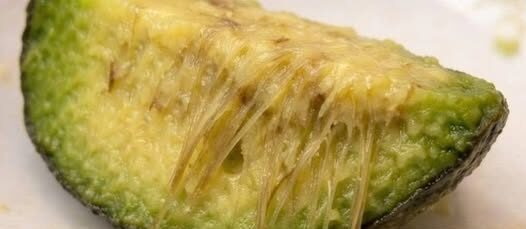
Then, once the avocado is sliced open, long strands appear throughout the flesh. Instead of the soft texture many people expect, the inside may seem fibrous, slightly tough, or difficult to mash evenly.
This experience can be confusing, especially when the avocado does not appear damaged from the outside. For many shoppers, the first thought is that something is wrong with the fruit.
In most cases, however, stringy avocados are not unusual or dangerous. The strands are usually a natural part of the fruit’s internal structure, and their presence often has more to do with growth conditions, harvest timing, variety, or ripeness than spoilage.
What the Strings Inside an Avocado Actually Are
The strands found inside some avocados are known as vascular bundles. These structures exist inside fruits and help move water and nutrients as the fruit develops on the tree.
Every avocado contains vascular bundles. In many avocados, they are soft enough to blend into the surrounding flesh, making them almost impossible to notice when the fruit is ripe and creamy.
Sometimes, however, these internal fibers become more visible and firmer than usual. When that happens, the avocado develops the texture people often describe as stringy, fibrous, or slightly woody.
At first glance, these strands may look alarming. Some people may mistake them for signs of contamination, pests, or worms.
That concern is understandable, but the fibers themselves are not insects, parasites, or foreign material. They are simply part of the avocado’s natural structure.
The texture can be compared to the string-like fibers sometimes found in celery or mangoes. While they may not be pleasant in certain dishes, they are not automatically a sign that the avocado is unsafe.
Why the Fibers Become More Noticeable
The texture of an avocado can be affected while the fruit is still growing on the tree. Environmental stress during development may influence how firm or noticeable the internal fibers become.
Heat stress is one possible factor. When the tree experiences challenging growing conditions, the fruit may develop internal tissue that feels less smooth once it ripens.
Uneven irrigation can also play a role. If the tree receives inconsistent moisture while the fruit is growing, the internal texture of the avocado may be affected.
Nutritional deficiencies during the growth period may also contribute to firmer fibers. These conditions can make the vascular bundles stand out more clearly from the surrounding flesh.
Because these changes happen inside the fruit, they are difficult for shoppers to detect before cutting the avocado open. A stringy avocado can look perfectly normal on the outside.
This is one reason two avocados that appear almost identical at the store may have very different textures once sliced. One may be smooth and creamy, while the other may contain visible strands.
Harvest Timing Can Affect Texture
Harvest timing is another reason some avocados may become stringy. Avocados are usually picked before they are fully ripe.
After harvesting, the fruit continues to ripen and soften. This process is normal and is one reason avocados are commonly sold firm and allowed to ripen at home.
If an avocado is harvested a little too early, its internal fibers may remain more noticeable as the fruit softens. The flesh may ripen, but the vascular bundles may still stand out.
When fruit remains on the tree longer, it may develop a softer and creamier interior. This can reduce the chance that the fibers will be noticeable when the avocado is eventually eaten.
Consumers generally cannot know exactly when an avocado was harvested. That makes texture difficult to predict based only on appearance or touch.
This also explains why the issue may seem random. Even avocados from the same store, display, or bag may not all have the same consistency inside.
Avocado Variety Also Matters
Different avocado varieties can naturally have different textures. Some are known for a rich, creamy interior, while others may be more fibrous.
Hass avocados are widely available in supermarkets and are often valued for their creamy flesh and relatively low fiber content. Even so, a Hass avocado can occasionally turn out stringy.
Other varieties, especially some local or less common types, may naturally contain more noticeable fibers. In those cases, the texture is not necessarily caused by a problem with the fruit.
The difference may simply come down to the kind of avocado purchased. A variety with naturally firmer flesh may not mash or spread as smoothly as a creamier type.
For people who prefer avocados for guacamole, toast, or creamy dressings, texture can make a big difference. A more fibrous avocado may still be usable, but it may not deliver the same smooth result.
Overripe Avocados Can Make Strings Stand Out
Ripeness is another factor that can make avocado fibers easier to notice. As an avocado becomes overripe, the surrounding flesh begins to break down.
The fibers do not suddenly appear because the fruit is overripe. They were already present inside the avocado.
However, once the flesh becomes very soft, the firmer strands may stand out more clearly. This can make the avocado seem stringier than it would have if it had been eaten earlier.
This often happens when an avocado is left on the counter for too long. A fruit that seemed almost ready one day may become overly soft by the next.
When the flesh loses structure, the contrast between the creamy parts and the fibrous parts becomes more noticeable. The result can be an avocado that feels uneven, mushy in some areas, and stringy in others.
Are Stringy Avocados Safe to Eat?
In most cases, a stringy avocado is safe to eat. The fibers are plant tissue and do not pose a health risk on their own.
The main issue is quality, not safety. A stringy avocado may not be ideal for recipes that depend on a silky texture, but it is usually still edible.
If the avocado looks and smells normal aside from the visible strands, it can generally be used. The texture may be less appealing, but the fruit itself is not automatically spoiled.
There are times, however, when an avocado should be discarded. A sour smell is one warning sign that the fruit may have gone bad.
A fermented taste is another sign that the avocado should not be eaten. Large dark brown or black areas in the flesh may also suggest spoilage.
Visible mold is a clear reason to throw the avocado away. If mold is present, the fruit should not be consumed.
The key difference is whether the only issue is texture. If visible fibers are the only concern, the avocado is usually safe. If odor, mold, discoloration, or an unpleasant taste is present, it is better not to eat it.
How to Reduce the Chance of Buying Stringy Avocados
There is no guaranteed way to avoid stringy avocados every time. Because the fibers develop inside the fruit, the outside cannot always reveal what the texture will be like.
Still, careful shopping can improve the odds of choosing better fruit. One useful approach is to select avocados that are firm but yield slightly to gentle pressure.
Avocados that are extremely soft are often overripe. When a fruit is overripe, the fibers may become more noticeable because the surrounding flesh has started to break down.
It may also help to avoid avocados that feel unusually light for their size. A fruit that feels too light may have texture issues or may not be at its best.
Shriveled avocados are another type to avoid. Wrinkled or dried-looking skin can suggest that the fruit has lost quality.
Buying from a store with frequent produce turnover may also help. Stores that move avocados quickly may be more likely to offer fresher fruit at a better stage of ripeness.
Even with careful selection, some avocados will still disappoint. Fresh produce naturally varies, and no shopper can fully control growing conditions, harvest timing, or variety differences.
How to Use a Stringy Avocado
A stringy avocado does not always need to be thrown away. If it smells normal, has no mold, and does not show major signs of spoilage, it can often be used in recipes where texture is less noticeable.
Mashing the avocado thoroughly can help break down the fibers. This may make the strands harder to detect, especially when mixed with other ingredients.
Pureeing is another useful method. Blending the avocado can create a smoother consistency and reduce the impact of the fibrous texture.
Stringy avocados may work well in guacamole if they are mashed carefully. They can also be used in smoothies, where blending helps hide the fibers.
Creamy salad dressings are another practical use. When the avocado is fully processed with other ingredients, the texture issue may become much less noticeable.
Mashed avocado for toast can also work, especially if the fruit is mixed until smooth. The final result may not be as perfect as a creamy avocado, but it can still be enjoyable.
The Bottom Line on Stringy Avocados
Stringy avocados are usually the result of natural fibers becoming more noticeable inside the fruit. These fibers are vascular bundles, which help carry water and nutrients while the avocado grows.
Environmental stress, uneven irrigation, nutritional deficiencies, harvest timing, avocado variety, and over-ripeness can all affect how noticeable the fibers become.
The presence of strands alone does not mean the avocado is contaminated or unsafe. In most cases, it is still edible, though the texture may be less appealing.
Shoppers can reduce the chances of buying stringy avocados by choosing fruit that is firm but slightly yielding, avoiding overly soft or shriveled avocados, and buying from stores with fresh, fast-moving produce.
If an avocado turns out stringy but shows no signs of spoilage, it can still be used. Mashing, blending, or pureeing can help make the texture less noticeable.
While a stringy avocado may not be ideal for every recipe, it is often still useful. Understanding why the strands appear can make the experience less frustrating and help prevent good fruit from being discarded unnecessarily.