
The Strange Kitchen Tool From Grandma’s Drawer That Sparked a Wave of Uneasy Nostalgia
A Drawer Discovery That Started With Shock
It began with a disturbing image and a familiar question that often appears when old household items are rediscovered: what is this thing?
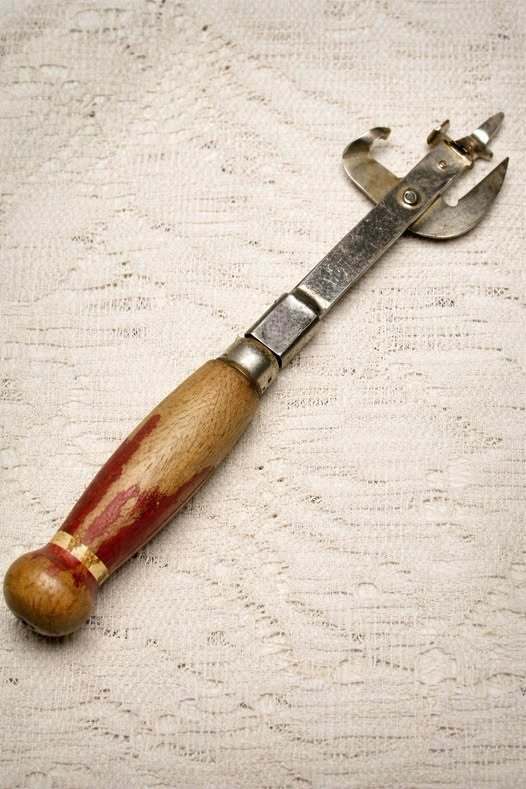
The object looked severe at first glance. It had a jagged piece of metal, a worn handle, and the kind of sharp edge that made many people instinctively think of danger rather than dinner.
Its setting only made the mystery stronger. The item had been found in a dead grandmother’s drawer, tucked away among the ordinary remains of a past domestic life.
To some viewers, it looked like a crude blade. To others, it resembled something from a battlefield, a workshop, or a survival kit rather than a kitchen.
The photo quickly stirred a strong reaction online. People responded with alarm, humor, recognition, and memories that were not always pleasant.
What began as curiosity soon became a larger conversation about old kitchens, forgotten tools, and the everyday hazards that previous generations accepted as normal.
The Internet Reacts to a Tool That Looked Like Trouble
Once the image spread, comments began to pile up fast. The object’s sharp metal point and rough appearance made it easy for people to imagine the worst.
Some remembered seeing similar tools in family kitchens when they were young. Others admitted they had no idea what it was but understood immediately why people found it unsettling.
The strongest reactions came from those who had used one before. Their memories were often filled with painful details: scraped knuckles, cut fingers, awkward pressure, and the fear of losing control while using it.
For many, the tool did not simply bring back memories of cooking. It brought back memories of a time when preparing food required more force, more caution, and more willingness to deal with risk.
The discussion became darker and stranger as more people shared stories. What looked at first like a mysterious object became a symbol of childhood anxiety and kitchen danger.
People remembered watching adults stab metal cans with confidence, even though the process seemed violent and unpredictable. Others recalled being warned not to touch such tools because one wrong move could leave a serious cut.
The Truth Behind the So-Called Murder Tool
The object was not a weapon. It was an old puncture-style can opener.
Unlike modern can openers that grip the rim and turn smoothly around the lid, this older design worked by force. The user had to puncture the can manually, then pry or cut through the metal by repeated pressure.
That simple explanation answered the mystery, but it did not make the object feel harmless. In fact, it helped explain why so many people reacted so strongly.
The tool belonged to an earlier era of kitchen design, when function often mattered more than comfort, and safety features were limited or absent.
It was made to do a basic job: open a sealed metal can. But the way it performed that job required strength, balance, and a steady hand.
There was little room for carelessness. A slip could mean a sharp edge across the skin, a damaged meal, or a can lid left bent into dangerous points.
Why Older Can Openers Felt So Dangerous
The old puncture-style can opener was built around direct force. It did not hide the danger of the task behind gears, rubber grips, or smoother motion.
To use it, a person had to drive steel into steel. That meant pressure, resistance, and the possibility of sudden movement when the metal finally gave way.
Modern tools often create distance between the user and the sharpest parts of a task. This older opener did the opposite. It placed the user’s hand close to the metal, close to the pressure point, and close to the newly cut edge.
The tool was useful, but it demanded respect. It also demanded a level of physical confidence that many people today no longer associate with opening food packaging.
That is why the online reaction carried both humor and discomfort. People could laugh at the dramatic appearance of the object, but many also understood that the danger was real.
The opener was not designed to frighten anyone. It simply reflected a time when household tools were often blunt, practical, and unforgiving.
A Relic From a Tougher Kitchen Era
The strange object from the drawer became more than a mystery item. It became a reminder of how much domestic life has changed.
Today, many kitchens are filled with safer handles, smoother edges, locking mechanisms, guards, and tools designed to reduce effort. Even a basic can opener is expected to work with minimal strain.
Older kitchens often operated by different standards. A tool only needed to work. Whether it was comfortable or safe was often a secondary concern.
That did not mean people were careless. It meant they were used to living with small risks. Many tasks involved heat, blades, sharp metal, heavy pans, open flames, and bare hands.
The puncture-style opener fit into that world perfectly. It was not unusual in its time. It became alarming only when viewed from the safer expectations of the present.
This is why so many people described the experience as nostalgic and unsettling at the same time. The object brought back the memory of family kitchens, but also the memory of how dangerous those kitchens could be.
How One Small Tool Became a Symbol
The reaction to the can opener showed how ordinary objects can carry emotional weight long after they stop being common.
A person who has never used one may only see rust, sharp metal, and mystery. A person who remembers one may see a grandmother’s kitchen, a crowded drawer, a family meal, and a warning not to play with sharp things.
That contrast helped the object capture attention. It was both familiar and foreign, both domestic and threatening.
It also revealed how easily everyday tools can disappear from common memory. An item once used without much thought can later look almost impossible to identify.
For younger viewers, the object seemed strange because it did not match the design language of modern kitchen products. For older viewers, it seemed strange because something once ordinary had become mysterious enough to alarm the internet.
That gap between generations gave the discussion its emotional force. The tool was not just old. It represented a way of doing things that has largely faded.
The Hidden Dangers That Once Lived in Plain Sight
The old can opener also raised a broader point about household life in the past. Many everyday routines once involved risks that people barely questioned.
Kitchen drawers could hold sharp knives without sheaths, slicers without guards, and tools that required strength more than precision. A person learned to be careful because the objects themselves offered little protection.
Cooking often meant working around heat, flame, steam, heavy cookware, and sharp edges. Safety depended less on design and more on habit.
The puncture-style opener is a perfect example of that older relationship between people and tools. It did not protect the user from the task. It expected the user to manage the danger.
That expectation shaped how people remembered it. Some saw it as a badge of toughness. Others remembered it as a source of fear.
Both responses make sense. The tool was practical, but it was also unforgiving. It helped put food on the table while also reminding users that even simple chores could draw blood.
Why the Story Resonated So Widely
The image spread because it touched several emotions at once. There was mystery, fear, humor, nostalgia, and recognition.
People are often fascinated by forgotten objects because they reveal how daily life used to work. A tool from a drawer can say as much about a household as a photograph or a recipe card.
In this case, the object spoke to the physical toughness once expected in ordinary domestic work. Opening a can was not effortless. It required force and caution.
The strong reaction also came from the contrast between appearance and purpose. The opener looked harsh, but its job was completely ordinary.
That contrast made it memorable. Something designed for dinner looked like something designed for damage.
The more people discussed it, the clearer the meaning became. The item was not shocking because it was rare or exotic. It was shocking because it had once been normal.
From Fear to Recognition
Once people understood what the object was, the tone of the conversation changed. The mystery gave way to recognition, and recognition gave way to memory.
For some, it brought back images of grandparents using tools with quiet confidence. For others, it revived the anxiety of being told to stay away from the kitchen drawer.
The opener became a small time capsule. It held memories of older meals, older routines, and older standards of safety.
It also reminded people that progress often happens so gradually that it becomes invisible. Modern tools may seem ordinary now, but many exist because older versions were difficult, risky, or painful to use.
The smoother can opener, the safer grip, and the cleaner cut all carry the history of what came before them.
That is why the rediscovered tool felt meaningful. It showed the blood and effort behind conveniences that now seem simple.
A Reminder of How Everyday Life Has Changed
The old puncture-style can opener from a grandmother’s drawer was never a murder tool. It was a kitchen tool from a different time.
Still, the alarm it caused was not completely misplaced. The item looked dangerous because it was dangerous in the ordinary way many old household tools were dangerous.
It belonged to a world where people accepted sharp edges, sudden slips, and minor injuries as part of getting things done.
Its rediscovery turned a simple object into a larger reflection on domestic history. It showed how much effort once stood behind everyday meals and how many small risks were hidden inside familiar routines.
The internet may have laughed at the object’s brutal appearance, but the reaction also carried respect. The tool was crude, useful, and memorable.
In the end, the rusted opener did more than identify a forgotten kitchen gadget. It reminded people that comfort and safety are often built from the lessons of older, harsher tools.