
What Dirty Fingernails Can Really Say About Hygiene, Work, and First Impressions
A Small Detail That Often Creates a Strong Reaction
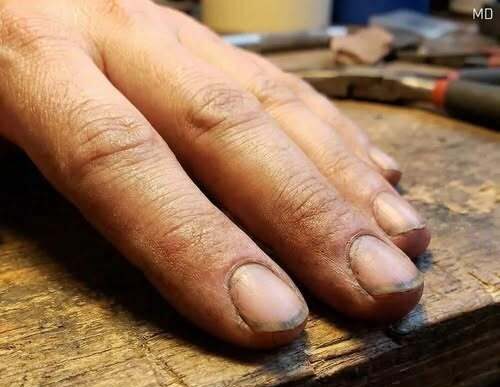
Darkened fingernails can create an immediate impression. For many people, the sight of dirt beneath the nails leads quickly to thoughts about cleanliness, personal habits, and hygiene.
That reaction is understandable. Clean hands are one of the first lessons many people learn about protecting health and preventing the spread of germs.
Because fingernails can trap dirt, bacteria, and other unwanted particles, they are often seen as an important part of basic personal care. When nails appear unclean, people may assume that handwashing and grooming have been ignored.
In many everyday environments, clean nails are viewed as a sign of responsibility. In offices, schools, restaurants, meetings, and social settings, well-kept hands can affect how a person is perceived by others.
This does not mean fingernails define a person’s character. However, they can influence first impressions, especially when people do not know the full circumstances behind what they are seeing.
Why Clean Nails Are Linked to Good Hygiene
Personal cleanliness has long been connected with health, confidence, and social presentation. Hands come into contact with countless surfaces throughout the day, and fingernails can easily collect residue from those surfaces.
For this reason, clean nails are commonly associated with good hygiene. When someone regularly washes their hands, trims their nails, and removes visible dirt, it often signals attention to self-care.
That connection is especially strong in places where cleanliness matters for public comfort and safety. A person working in an office, attending a formal gathering, or interacting closely with others may be expected to maintain a neat appearance.
In these settings, dirty nails can be interpreted as careless. If someone has access to proper hygiene and repeatedly ignores basic grooming, unclean fingernails may suggest neglect.
Clean hands do more than shape appearance. They help reduce the spread of germs and support everyday health. Proper handwashing remains one of the simplest habits people can practice to protect themselves and those around them.
Because of this, it is natural for people to notice nails quickly. Hands are visible during conversations, greetings, meals, work, and ordinary daily tasks.
When Dirty Nails May Signal Neglect
There are situations where darkened nails may reasonably raise concerns about personal care. If a person is in a clean environment and has had time and access to wash properly, consistently dirty fingernails can suggest a lack of attention to hygiene.
This is particularly true when the dirt is not connected to recent labor or a specific task. In a professional or formal setting, unclean nails can appear out of place.
For example, someone arriving at a corporate meeting with visible dirt beneath their nails may create a different impression than someone leaving a construction site after a full workday. The same physical detail can be read in very different ways depending on the situation.
In workplaces where presentation matters, grooming may be viewed as part of professional responsibility. Clean nails can communicate preparedness, respect for the setting, and awareness of social expectations.
Still, even in those cases, judgment should be careful. A visible sign does not always reveal the full story behind a person’s day, job, responsibilities, or circumstances.
The Other Side of Darkened Fingernails
Darkened nails are not always a sign of poor hygiene. In many cases, they are a direct result of hard work.
People who work with their hands often deal with materials that leave stubborn marks. Soil, grease, paint, dust, oil, and metal residue can cling to skin and settle beneath fingernails.
These stains may remain even after strong scrubbing. Some jobs leave marks that are difficult to remove immediately, no matter how carefully someone washes afterward.
In that context, dirty nails can represent effort rather than neglect. They can show that a person has spent hours building, repairing, planting, cleaning, or creating something useful.
The appearance of the hands may tell part of a story, but not always the part people assume at first glance.
Workers Whose Hands Carry the Evidence of Their Labor
Mechanics are one example of people whose nails may remain dark after a long day. Grease and oil can become embedded under the nails and around the skin, making the hands difficult to clean completely right away.
Gardeners and farmers face a different kind of stain. Soil can cling tightly to the fingers, especially after hours of planting, digging, or harvesting.
Construction workers may handle dust, cement, wood, metal, and other materials that leave visible marks. Painters may deal with stains that settle into cracks around the nails.
Plumbers and electricians also perform physical work that can leave their hands looking rough or darkened. Welders may work with materials that mark the skin and nails in ways that are not easily removed at the end of a shift.
In each of these cases, the dirt does not automatically indicate poor care. It may instead reflect productivity, skill, and responsibility.
Hands that appear stained may belong to someone who has spent the day fixing a car, repairing a home, maintaining a building, tending crops, or completing essential work for others.
Why Context Matters Before Making a Judgment
Context changes the meaning of dirty fingernails. Without knowing where someone has been, what they have done, or what kind of work they perform, a quick judgment can become unfair.
The same nails that look inappropriate in one setting may be completely understandable in another. At a formal dinner, visible dirt may suggest that more grooming is needed.
At the end of a long shift on a job site, those same nails may show dedication. They may be the visible result of physical effort and long hours.
On a volunteer helping rebuild after a storm, dirty nails may reflect service. On a parent repairing a fence or planting a garden, they may show care for family and home.
When circumstances are known, the meaning changes. What first looks like neglect may actually be evidence of responsibility.
This is why first impressions should be balanced with understanding. A single detail does not always provide enough information to judge a person fairly.
Cleanliness and Hard Work Can Exist Together
It is possible to value hygiene while also respecting the reality of hands-on labor. Cleanliness remains important for health, comfort, and social confidence.
At the same time, physical work often leaves marks that cannot always be erased immediately. A person can care about hygiene and still have stained nails after completing demanding tasks.
The difference often lies in pattern and circumstance. If unclean nails appear after work involving soil, grease, paint, or repair materials, the explanation may be simple and reasonable.
If unclean nails appear repeatedly in settings where there has been time and opportunity for proper care, the impression may be different. Even then, it is better to avoid harsh assumptions without understanding the person’s situation.
Clean hands are important, but so is recognizing the value of work that makes hands dirty.
The Role of Appearance in Social Settings
Appearance affects how people interact. Small details, including fingernails, clothing, posture, and grooming, can influence how others respond in public or professional spaces.
Because hands are often visible, they can become part of a person’s social presentation. Clean nails may create an impression of order and care.
Dirty nails may create the opposite impression, especially when the setting is formal or when there is no obvious reason for them to be stained. This is why grooming is often considered part of basic social awareness.
However, appearance alone can be misleading. A person who has just finished repairing a vehicle, working in a garden, or helping someone rebuild a damaged property may not have spotless nails, even if they are careful and responsible.
The visible result may be temporary. The work behind it may be meaningful.
Seeing Effort Instead of Only Dirt
Dirty fingernails can sometimes tell a story of effort. They may show that someone has used their hands to solve a problem, support a household, or complete a demanding job.
There is dignity in that kind of work. Building, fixing, planting, carrying, painting, and repairing all require physical effort that often leaves visible evidence behind.
When people judge only the dirt, they may miss the labor. They may overlook the hours spent doing work that benefits families, businesses, communities, and homes.
A mechanic’s stained nails may represent a repaired engine. A gardener’s soil-darkened fingers may represent food, flowers, or a cared-for yard.
A construction worker’s rough hands may represent a completed structure. A volunteer’s dirty nails may represent help given when someone needed it most.
A More Balanced Way to Look at Dirty Fingernails
Darkened fingernails should not be automatically dismissed as harmless, and they should not be automatically condemned either. The most accurate interpretation depends on the surrounding circumstances.
In some cases, unclean nails may point to poor hygiene. In others, they may reflect honest labor that left temporary marks behind.
The key is to avoid reducing a person to one visible detail. Fingernails can suggest something, but they rarely explain everything.
A fairer response begins with context. Where is the person? What have they been doing? Is the dirt connected to work, service, repair, gardening, or another physical task?
Those questions matter because they separate careless assumptions from informed understanding.
First Impressions Are Not Always the Full Truth
People often make quick judgments based on what they see. That is part of everyday human behavior, but it can also lead to mistaken conclusions.
Dirty nails may appear simple to interpret, yet their meaning can shift completely depending on the situation. They may suggest neglect in one moment and dedication in another.
This is why the image of darkened fingernails can spark discussion. It sits between two realities: the importance of hygiene and the respect owed to hard work.
Both truths can exist at the same time. Cleanliness is important, and so is the recognition that some valuable work leaves visible marks.
Rather than judging immediately, it is better to look at the full picture. A person’s hands may be dirty because they have ignored care, or because they have spent the day doing something useful, difficult, and necessary.
In the end, darkened fingernails are not always a simple sign of poor hygiene. Sometimes they are a reminder that behind every visible mark, there may be a story of labor, service, responsibility, and effort.