
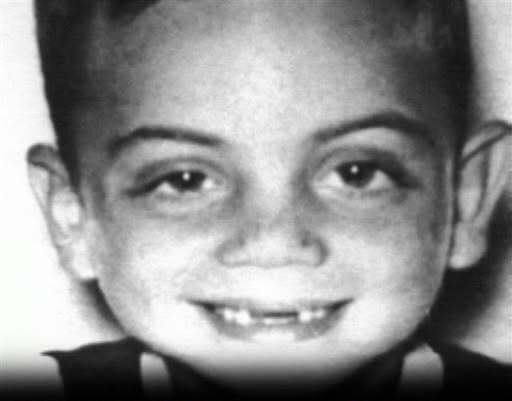
Billy Joel’s Battle Beyond the Stage: Childhood Pain, Personal Struggles, and a Fight to Return
A Life Shaped by Music and Survival
For millions of fans, Billy Joel is remembered first through the force of his music. His songs have filled arenas, carried people through heartbreak, and become part of the soundtrack of everyday life.
Yet behind the familiar piano chords and the roar of the crowd is a life marked by pain, pressure, survival, and repeated attempts to rebuild. His story is not only about success on stage, but also about what happened far away from the spotlight.
The public image of Billy Joel often centers on the performer: the voice, the piano, the anthems, and the energy of a man who seemed able to turn personal emotion into songs that reached across generations. But his journey has also included childhood trauma, family instability, broken trust, alcohol struggles, financial damage, and now a serious health challenge that has threatened his ability to perform.
Through it all, music remained the one place where pain could be shaped into something lasting. The piano became more than an instrument. It became an escape, a shield, and eventually the center of a career that changed his life.
A Childhood Marked by Fear and Silence
Billy Joel’s early years were not defined by comfort or emotional safety. Beneath the talent that would later make him famous was a boy growing up in a home touched by volatility, silence, and deep personal wounds.
One of the most painful accounts from his past involves his father striking him while he was at the piano. The blow was so severe that he was knocked unconscious. It was a moment that connected music, fear, and family conflict in a way that would leave a lasting shadow.
For a child, the piano should have been a place of learning, creativity, and discovery. Instead, it became part of a memory marked by violence and confusion. The image of a young boy losing consciousness at the very instrument that would later define his life reveals the sharp contrast between the music the world heard and the pain that shaped the person behind it.
His relationship with his mother was also touched by hardship. She struggled with loneliness, alcohol, and what appeared to be untreated bipolar disorder. In that environment, emotional stability was difficult to find.
Watching a parent unravel in silence can leave marks that are not easily seen. For Joel, the home around him carried more than ordinary childhood tension. It contained fear, sadness, and the burden of problems that were not fully named or healed.
These early experiences formed part of the emotional foundation beneath his later work. His songs would often carry feelings of longing, restlessness, regret, and resilience. Those emotions did not come from imagination alone. They came from a life that had already taught him how complicated survival could be.
The Piano as Escape and Identity
Even when his childhood was unstable, music gave Billy Joel a path forward. The keyboard offered a way to leave behind what could not be controlled at home and enter a world where emotion had shape, rhythm, and purpose.
For many artists, talent begins as a gift. For Joel, it also became a form of escape. The piano allowed him to take feelings that might otherwise have turned inward and turn them into sound.
That escape eventually became identity. He was not simply a boy playing music. He was someone building a language of his own, one note at a time. The same instrument connected to painful memories also became the instrument that carried him toward freedom.
This contradiction sits at the heart of his story. Music was tied to trauma, but it also saved him from being trapped by it. The piano witnessed both damage and recovery.
As he grew older, that private refuge became public expression. The emotions that once belonged to his family life and personal struggles were transformed into songs that listeners could claim as their own.
Fame Did Not End the Struggle
Billy Joel’s rise to fame brought recognition, wealth, and a place among the most familiar names in popular music. His songs became anthems. His concerts drew crowds. His career gave him a level of success that few artists ever reach.
But fame did not erase the damage of the past. It did not protect him from private disappointment, broken relationships, or emotional exhaustion.
His life after success included broken marriages and painful personal losses. The same public career that brought applause also placed pressure on his private life. Relationships were tested under the weight of fame, expectation, and personal history.
He also experienced betrayal by people he trusted. That betrayal contributed to serious financial trouble, leaving him facing near financial ruin despite his enormous public success.
For a performer whose songs were known around the world, the contrast was striking. Audiences saw the full arenas, the bright lights, and the man behind the piano. Behind that image, he was fighting battles that had little to do with applause.
Success can create the appearance of security, but Joel’s life showed how fragile that image can be. Money, fame, and recognition could not shield him from personal damage or from the consequences of misplaced trust.
Alcohol and the Weight of Rage
Another major struggle in Billy Joel’s life was alcohol. The anger, pain, and pressure he carried did not disappear as his career grew. At times, he drowned that rage in booze.
Alcohol became part of a wider pattern of difficulty, one connected to emotional wounds, personal disappointment, and the demands of a life lived under constant public attention. For someone who had endured a painful childhood and later faced betrayal and broken relationships, drinking became one of the ways the turmoil surfaced.
The image of the confident performer could exist alongside a man privately losing control. This divide is common in stories of public figures, but in Joel’s case, it adds another layer to the emotional depth of his music.
The same person capable of creating songs that brought comfort to millions was also struggling to comfort himself. The same voice that filled arenas was carrying the exhaustion of years of conflict, regret, and emotional pressure.
Eventually, he stepped away from alcohol. That decision became part of a larger effort to reclaim stability. It did not erase the years of difficulty, but it marked an important turn in the long process of rebuilding.
A Career Built on Endurance
Billy Joel’s career has always carried a sense of persistence. His music is filled with characters who are tired, hopeful, wounded, defiant, or searching for meaning. That emotional range reflects a life that repeatedly demanded endurance.
His songs reached people because they felt lived in. They did not sound like distant performances from someone untouched by hardship. They sounded like the work of a person who understood disappointment and still found a melody inside it.
That is part of why his audience remained deeply connected to him. Fans did not only hear entertainment. They heard struggle shaped into something they could recognize.
The power of Joel’s music lies in its ability to balance toughness and vulnerability. It can be sharp, tender, angry, nostalgic, and hopeful. Those qualities mirror the contradictions of his own life.
He survived a childhood marked by violence and emotional instability. He survived the collapse of relationships, the sting of betrayal, the threat of financial ruin, and the grip of alcohol. Each chapter added weight to the next, yet he continued to perform, write, and return to the piano.
The Diagnosis That Changed Everything
In more recent years, Billy Joel faced a new and serious challenge: Normal Pressure Hydrocephalus. The condition affected his body in ways that directly threatened his ability to continue touring.
The disorder stole his balance and blurred his vision. For a performer whose work depends on physical control, coordination, and focus, those symptoms were deeply disruptive.
Touring requires stamina, movement, concentration, and the ability to perform under pressure night after night. When balance becomes unreliable and vision becomes unclear, even the most experienced performer faces limits that cannot be ignored.
The diagnosis forced silence onto a career built around sound. Concerts and tours were affected, and the future of his public performances became uncertain.
For fans, the news was painful because Billy Joel had long seemed like a constant presence. His songs belonged to multiple generations, and his performances carried a sense of continuity. The idea that a brain disorder could threaten that connection made the moment especially difficult.
For Joel, the diagnosis represented another battle in a lifetime already filled with them. But this time, the fight was not against childhood fear, financial betrayal, broken relationships, or alcohol. It was against a condition affecting his movement, vision, and daily life.
Rehabilitation and a New Kind of Discipline
Despite the seriousness of the diagnosis, Billy Joel has not surrendered to it. His recovery has included rehabilitation, therapy, and a disciplined effort to rebuild strength.
His daughter has described his daily therapy and fierce commitment to the work required. That detail offers a glimpse of a man facing the condition not with resignation, but with determination.
Recovery from a disorder affecting balance and vision requires patience. It also requires humility. A performer used to commanding stages must accept a slower, quieter process of healing.
That process may not carry the glamour of performance, but it demands its own kind of courage. Daily therapy is repetitive, difficult, and often frustrating. Progress can be slow, and setbacks can be discouraging.
Still, Joel’s willingness to commit to rehabilitation reflects the same stubborn quality that carried him through earlier chapters of his life. He has been fragile before. He has faced collapse before. Again, he is trying to stand.
His decision to abandon alcohol adds another important part to this stage of his life. Sobriety, therapy, and physical recovery are now connected in a larger effort to protect his health and preserve what remains possible.
A Fragile Fighter Still Tuning Up
Billy Joel’s current chapter is not the story of a simple comeback, and it should not be reduced to easy triumph. He is facing a serious health condition that has changed the rhythm of his life and placed limits on the career that made him a legend.
At the same time, his story is not one of defeat. It is the story of a man who has been knocked down in more ways than one and has continued searching for a way back.
The boy who was once struck unconscious at the piano became the man whose piano filled arenas. The child who watched his mother struggle became an artist who turned private emotion into public connection. The adult who battled alcohol, betrayal, broken marriages, and financial danger found ways to keep going.
Now, facing Normal Pressure Hydrocephalus, he is again in a fight that asks for patience, discipline, and resilience. This battle is quieter than the concerts, but it may be one of the most important of his life.
His fans may remember the songs, the stage presence, and the unforgettable choruses. But the deeper story is about endurance. It is about what it means to keep playing after pain, to rebuild after collapse, and to search for hope even when the body begins to fail.
Billy Joel may be fragile now, but fragility does not erase strength. In many ways, it reveals it more clearly.
His life has always contained both damage and music. The pain shaped him, but it did not silence him. The battles wounded him, but they did not remove the fighter within him.
Whether or not he returns exactly as fans remember, the meaning of his story is already clear. Billy Joel’s greatest performance may not be found only in the songs that filled stadiums. It may also be found in the long, difficult act of surviving everything that tried to stop the music.