
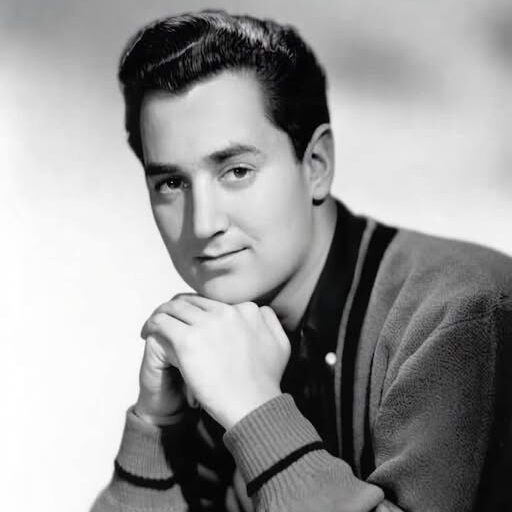
Neil Sedaka Dies at 86, Leaving Behind Generations of Unforgettable Pop Music
The Legendary Singer and Songwriter Helped Shape Popular Music Across More Than Seven Decades
The music world is mourning the death of Neil Sedaka, the celebrated singer, pianist, and songwriter whose irresistible melodies became part of the soundtrack of generations.
Sedaka died at the age of 86, bringing an extraordinary career that stretched from the earliest years of rock and roll into the modern era to a close.
For fans who grew up listening to his records, the loss feels deeply personal. His songs accompanied school dances, first romances, painful breakups, family celebrations, and quiet evenings beside the radio.
Titles such as “Oh! Carol,” “Calendar Girl,” “Happy Birthday Sweet Sixteen,” “Laughter in the Rain,” and “Breaking Up Is Hard to Do” remained recognizable long after their first release.
They were polished pop songs, but their lasting power came from something more intimate. Sedaka understood how to turn familiar emotions into melodies people could carry with them for the rest of their lives.
A Musical Journey That Began in Brooklyn
Sedaka’s remarkable story began in Brooklyn, New York, where his musical ability became evident when he was still young.
He grew up in a working-class family and received classical musical training before building a career in popular entertainment.
His talent at the piano helped earn him a scholarship to Juilliard, placing him on a path that could have led toward a very different kind of musical life.
Instead, Sedaka became fascinated by the rapidly changing sounds of popular music.
He emerged during a period when young audiences were embracing new rhythms, new performers, and songs that spoke directly to teenage experiences.
Sedaka possessed the technical skill of a trained musician, but he also had an instinctive understanding of what made a pop melody memorable.
That combination allowed him to create songs that sounded effortless even though they were built with great precision.
A Powerful Partnership With Howard Greenfield
One of the most important relationships in Sedaka’s career was his songwriting partnership with lyricist Howard Greenfield.
Together, they became part of the celebrated New York songwriting community associated with the Brill Building era.
The pair produced songs with memorable hooks, emotional clarity, and lyrics that listeners could understand immediately.
Their work captured youthful excitement without dismissing the seriousness of young love and heartbreak.
Sedaka’s melodies often sounded bright and energetic, while Greenfield’s words gave them stories that felt personal.
Their partnership produced numerous successful compositions and helped establish Sedaka as both a recording artist and an important behind-the-scenes songwriter.
Over the course of his career, Sedaka wrote or co-wrote more than 1,000 songs, with many performed by other major artists as well as by Sedaka himself. :contentReference[oaicite:0]{index=0}
The Song Inspired by a Teenage Romance
“Oh! Carol” became one of Sedaka’s defining early hits.
The song was connected to Carole King, whom Sedaka had dated when they were young and before both became important figures in American songwriting.
Its direct title, upbeat arrangement, and easily remembered chorus helped make it a favorite with audiences.
“Calendar Girl” followed with another cheerful celebration of young romance.
The song’s month-by-month structure made it instantly distinctive, while Sedaka’s enthusiastic performance gave it an enduring sense of fun.
“Happy Birthday Sweet Sixteen” similarly reflected the teenage themes that dominated popular music during Sedaka’s early rise.
Although these songs belonged to a particular musical period, they did not disappear with it.
They continued to be played on radio stations, included in nostalgic collections, and discovered by listeners who were born decades after Sedaka first recorded them.
“Breaking Up Is Hard to Do” Becomes a Signature Song
Few songs are more closely associated with Sedaka than “Breaking Up Is Hard to Do.”
Its original recording turned romantic disappointment into an energetic pop hit rather than a slow expression of sorrow.
The contrast between the painful subject and buoyant melody helped make the song especially memorable.
Years later, Sedaka recorded a slower version that transformed it into a reflective ballad.
The new interpretation demonstrated that the strength of the composition did not depend on a single arrangement.
The same words and melody could express youthful urgency in one version and mature regret in another.
That achievement reflected Sedaka’s understanding of songwriting as a craft.
He knew that a strong melody could survive changes in tempo, production, and musical fashion.
A Career Interrupted by a Changing Music Industry
Sedaka’s rise appeared unstoppable during the late 1950s and early 1960s.
Then popular music changed dramatically.
The arrival of the Beatles and the wider British Invasion altered audience tastes, radio programming, and the commercial landscape for many established American performers.
Artists who had dominated the charts only a few years earlier suddenly struggled to maintain the same level of success.
Sedaka was among the performers whose recording career slowed during that transition.
For some singers, such a reversal would have marked the end of their time in the spotlight.
Sedaka continued writing, performing, and developing his music.
His persistence eventually produced one of popular music’s most notable career revivals.
An Extraordinary Return in the 1970s
Sedaka found renewed success during the 1970s, proving that his musical instincts could connect with audiences beyond the era in which he first became famous.
Elton John played an important role in that comeback by signing Sedaka to his Rocket Records label.
The partnership introduced Sedaka to listeners who may have known his older songs but had not followed his recent work.
His return was not based solely on nostalgia.
New recordings such as “Laughter in the Rain” demonstrated that he could adapt to contemporary production while preserving the melodic warmth that defined his earlier career.
“Bad Blood” became another major success from this period.
The comeback confirmed that Sedaka was not simply a performer linked to teenage pop music of the early 1960s.
He was a versatile songwriter capable of surviving major shifts in taste and rebuilding his career in a transformed industry. :contentReference[oaicite:1]{index=1}
The Songwriter Behind Hits for Other Performers
Sedaka’s influence extended far beyond the recordings released under his own name.
His compositions were performed by numerous artists, allowing his melodies to reach listeners through many different voices and styles.
Among the songs connected to his songwriting legacy were “Where the Boys Are” and “Love Will Keep Us Together.”
Captain & Tennille turned “Love Will Keep Us Together” into an enormous success, introducing Sedaka’s writing to another generation.
The recording even included an acknowledgment of its composer, reinforcing how closely the song’s appeal was connected to his distinctive melodic style.
“(Is This the Way to) Amarillo” also became an enduring favorite, particularly with British audiences.
These successes showed that Sedaka did not need to be the person standing at the microphone for his musical identity to be heard.
His sense of structure, rhythm, and emotional accessibility remained recognizable in songs performed by others.
A Craftsman Who Believed in the Power of Melody
What made Sedaka distinctive was not simply the number of songs he created.
It was the care he placed into making melodies feel natural.
His music rarely sounded overly complicated, yet that simplicity was the result of discipline and deep musical knowledge.
He understood how quickly a song needed to establish its mood.
He knew when a chorus should arrive, how a melody should rise, and which phrases listeners would want to sing again.
His classical background gave him a strong foundation, but his success depended equally on his ability to communicate directly with a mass audience.
Sedaka never treated accessible pop music as something unworthy of serious craftsmanship.
He believed that a concise song could alter a person’s mood, preserve a memory, or help someone feel less alone.
Music That Became Part of Everyday Life
Sedaka’s songs endured because people attached their own experiences to them.
One listener might remember “Calendar Girl” from a childhood radio.
Another might associate “Laughter in the Rain” with a particular relationship, road trip, or summer evening.
“Breaking Up Is Hard to Do” became meaningful to anyone who had struggled to accept the end of a romance.
These personal connections transformed the recordings into more than old hits.
They became emotional landmarks.
A familiar introduction could return listeners instantly to a room, a person, or a stage of life they had not considered in years.
That is one reason Sedaka’s death has prompted such a powerful response.
People are not only mourning the performer. They are remembering the moments his voice helped preserve.
A Performer Who Continued Into His Eighties
Sedaka remained connected to music well beyond the age when many artists retire completely from public life.
He continued performing into his eighties and maintained a relationship with the audiences that had supported him for decades. :contentReference[oaicite:2]{index=2}
His later appearances carried a different kind of emotional weight.
Fans were not simply hearing a selection of familiar songs. They were watching the person who had helped create an entire period of popular culture.
Sedaka’s voice naturally changed with age, but his enthusiasm for melody remained evident.
He continued to approach the piano as both a trained musician and an entertainer who understood the joy of giving an audience something recognizable.
His longevity allowed multiple generations to encounter him directly rather than knowing him only through archival recordings.
Recognition for a Lasting Songwriting Legacy
Sedaka’s contributions earned him a place in the Songwriters Hall of Fame.
Brooklyn also honored its native son by naming a street after him. :contentReference[oaicite:3]{index=3}
Those honors recognized a career that helped define several different periods of popular music.
Despite his influence and longevity, Sedaka was never inducted into the Rock & Roll Hall of Fame, an omission that remained surprising to many admirers of his work. :contentReference[oaicite:4]{index=4}
His place in musical history, however, was never dependent on a single institution.
It was secured by the songs themselves.
Every continued radio play, cover performance, family singalong, and new listener discovering his catalog extended his legacy.
A Family Mourns Alongside the Music World
Behind the international career was a husband, father, and grandfather.
Sedaka is survived by his wife, Leba, their daughter, Dara, their son, Marc, and his grandchildren. :contentReference[oaicite:5]{index=5}
The public knew him through records, concerts, interviews, and television appearances.
His family knew the private person beyond the stage and the songs.
As fans share recordings and memories, those closest to Sedaka are mourning a loss that cannot be measured through chart positions or professional honors.
His public legacy may be vast, but his absence will be felt most deeply within the family life that existed alongside it.
Tributes Reflect the Reach of His Music
The reaction to Sedaka’s death demonstrates how widely his work traveled.
Listeners from different generations have returned to the songs that first introduced them to his voice.
Some remember purchasing his records when they were new.
Others discovered him through parents, grandparents, films, radio programs, or recordings by artists who performed his compositions.
Fellow musicians remember a songwriter whose work made technical skill sound effortless.
Fans remember the warmth of his performances and the emotional clarity of his lyrics.
Even people unfamiliar with Sedaka’s full career are likely to recognize at least one melody he helped create.
The Warmth Beneath the Polished Performances
Sedaka’s records were often carefully arranged and professionally polished, but they rarely felt emotionally distant.
His performances possessed a warmth that allowed listeners to feel invited into the song.
He could sing about heartbreak without making the experience feel hopeless.
He could celebrate romance without losing the sense of vulnerability beneath it.
Even his most cheerful recordings carried an awareness that happiness could be temporary and therefore deserved to be enjoyed fully.
That emotional balance helped his music remain appealing long after particular production styles became associated with the past.
A Bridge Between Musical Eras
Sedaka’s career connected several distinct chapters of popular music.
He began during the years when rock and roll was still establishing itself as a dominant cultural force.
He experienced the transformation caused by British groups in the 1960s and survived a period when his own recording success diminished.
He then returned during the singer-songwriter era of the 1970s with new hits and a renewed audience.
Later generations came to understand him as both a nostalgic figure and a timeless composer.
Few performers managed to carry the innocence of early pop into later decades while maintaining such a consistent musical identity.
Sedaka adapted without discarding the sincerity that had made people trust his songs in the first place.
The Voice Is Gone, but the Songs Continue
Neil Sedaka’s death closes an extraordinary chapter in popular music.
It ends the life of the man who sat at the piano, built unforgettable melodies, and gave emotional language to listeners around the world.
It does not end the music.
His voice will continue emerging from old records, digital playlists, radios, films, family collections, and live performances by artists interpreting his compositions.
New listeners will continue discovering songs that sound connected to another time yet express feelings that have never become outdated.
People will still dance to “Calendar Girl.”
They will still smile when “Oh! Carol” begins.
They will still turn to “Breaking Up Is Hard to Do” when a relationship ends and words are difficult to find.
They will still hear “Laughter in the Rain” and remember that tenderness can survive even the passing of decades.
Sedaka’s true memorial exists in those continuing moments.
The singer is gone, but countless voices will keep humming his melodies.
As long as those songs remain connected to love, youth, heartbreak, and memory, Neil Sedaka’s music will continue doing what he always believed a simple melody could do: change a mood, brighten a day, and stay with a person for life.