
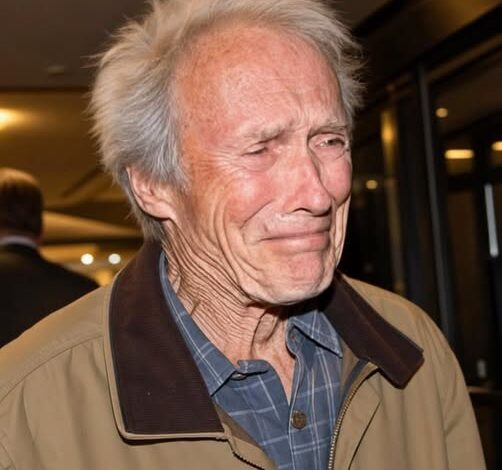
Clint Eastwood at 96: How a Hollywood Legend Built a Career That Outlasted Generations
A Career That Refused to Fade
Clint Eastwood has spent more than six decades doing something almost no Hollywood star manages to do.
He kept changing.
He survived shifts in audience taste, major changes in filmmaking and the disappearance of entire generations of actors who once shared the screen with him.
Born on May 31, 1930, Eastwood turned 96 in 2026, making his longevity in Hollywood even more extraordinary.
For decades, he was known as the embodiment of toughness.
Then he became something more complicated.
He became one of the industry’s most respected filmmakers.
His Image Was Built on Silence and Steel
Eastwood’s earliest iconic characters rarely needed long speeches.
A narrowed stare could communicate more than pages of dialogue.
That restrained style became one of his trademarks.
Audiences recognized the posture, the voice and the deliberate calm almost immediately.
But the character that eventually became Clint Eastwood in the public imagination took years to develop.
The Westerns Changed Everything
In the 1960s, Eastwood traveled to Europe to star in Sergio Leone’s Westerns.
The films that became known as the Dollars Trilogy transformed his career.
He appeared as the mysterious gunslinger commonly remembered as the Man with No Name.
The character was economical, dangerous and emotionally unreadable.
Eastwood’s stillness became a weapon.
He Looked Different From Traditional Western Heroes
Earlier Western heroes were often presented with a clearer moral identity.
Eastwood’s gunslinger was different.
He could be cold.
He could be calculating.
His motives were not always comforting.
That ambiguity helped redefine the Western hero for a new generation.
The Dollars Trilogy Made Him Internationally Famous
The films introduced Eastwood to audiences far beyond American television.
A Fistful of Dollars, For a Few Dollars More and The Good, the Bad and the Ugly established the screen persona that would follow him for years.
He became synonymous with toughness without excess.
He did not need dramatic movement.
He simply occupied the frame.
Then Came Dirty Harry
Eastwood’s next defining role was Harry Callahan.
The San Francisco police inspector became one of the most famous law-enforcement characters in American film.
Dirty Harry arrived during a period of social anxiety and political tension.
The character’s uncompromising methods generated both admiration and criticism.
But there was no question about the cultural impact.
Dirty Harry Became Larger Than the Film
The character became shorthand for a particular kind of authority.
Callahan was skeptical of bureaucracy.
He trusted himself more than institutions.
That attitude resonated strongly with some viewers and disturbed others.
The debate helped make the character even more memorable.
Eastwood had become more than a successful actor.
He had become a symbol.
Most Actors Would Have Stopped There
By that point, Eastwood could easily have continued making variations of the same tough-guy films for the rest of his career.
He had a bankable image.
Studios understood it.
Audiences understood it.
But instead of simply protecting the persona that had made him famous, Eastwood began steadily expanding behind the camera.
Directing Changed How Hollywood Saw Him
Eastwood increasingly stepped into the director’s chair.
That decision transformed the second half of his career.
He was no longer simply interpreting someone else’s story.
He was shaping tone, performance and narrative himself.
Over time, his directing became as important to his legacy as his acting.
His Filmmaking Style Was Surprisingly Quiet
Eastwood developed a reputation for efficiency.
His sets were often described as calm and focused.
He was known for avoiding unnecessary repetition and for trusting performers to deliver without excessive direction.
That understated approach mirrored his screen image.
He did not need chaos to create intensity.
Actors Often Responded to That Trust
Performers working with Eastwood frequently found themselves operating in an environment where overthinking was discouraged.
The emphasis was on truthfulness and instinct.
That approach helped produce some of the strongest performances in films he directed.
His method could appear simple from the outside.
But simplicity became one of his greatest strengths.
Unforgiven Became a Turning Point
In 1992, Eastwood directed and starred in Unforgiven.
The film returned him to the Western genre that had helped make him famous.
But this was not a celebration of the old mythology.
It was a confrontation with it.
The Western Hero Had Grown Older
Unforgiven examined violence without romanticizing it.
The gunslinger was no longer an untouchable figure moving effortlessly through danger.
Violence carried consequences.
Age mattered.
Memory mattered.
Guilt mattered.
Eastwood used the genre that created his image to question the meaning of that image.
The Film Changed His Reputation
Unforgiven won major Academy Awards, including Best Picture and Best Director.
It established Eastwood as something far more substantial than an actor who had successfully moved behind the camera.
He was now regarded as one of the major American filmmakers of his generation.
Million Dollar Baby Confirmed It Was No Fluke
More than a decade later, Eastwood directed Million Dollar Baby.
The film again demonstrated his ability to combine emotional restraint with devastating consequences.
It won four Academy Awards, including Best Picture and another Best Director Oscar for Eastwood.
By then, the idea that he was merely a movie star who happened to direct had completely disappeared.
His Best Films Often Focused on Moral Consequences
Eastwood repeatedly returned to characters forced to live with difficult choices.
They were often flawed.
They were rarely purely heroic.
Redemption was possible, but never easy.
That theme became one of the strongest links connecting many of his later films.
Mystic River Explored Damage That Never Fully Disappears
Mystic River examined grief, suspicion and the long shadow of childhood trauma.
It was another example of Eastwood moving far beyond the simple toughness associated with his early image.
The film focused on damaged people making decisions under enormous emotional pressure.
There were no easy answers.
Letters from Iwo Jima Looked at War From Another Perspective
Eastwood’s willingness to shift perspective was especially visible in Letters from Iwo Jima.
Rather than treating history as a simple conflict between heroes and enemies, the film focused on the humanity of Japanese soldiers.
That choice demonstrated the broader evolution of his directing.
He had become increasingly interested in people trapped inside systems larger than themselves.
Gran Torino Brought His Screen Persona Into Old Age
Gran Torino used Eastwood’s familiar toughness but placed it inside the body of an aging man confronting a changing neighborhood and his own prejudices.
The film worked partly because audiences already knew what Eastwood represented.
He could use decades of cultural memory without explaining it.
The audience brought that history into the theater with them.
Age Became Part of His Story Instead of Something to Hide
Many Hollywood stars spend enormous energy trying to distance themselves from aging.
Eastwood increasingly did the opposite.
His later films acknowledged physical decline, regret and mortality.
He allowed older characters to look older.
That honesty became one of the defining features of his late career.
The Mule Turned Aging Into the Center of the Story
In The Mule, Eastwood played an elderly man dealing with the consequences of choices made over a lifetime.
The story was not about pretending age had no effect.
It was about understanding how time changes what a person can still repair.
That made the film feel deeply connected to Eastwood’s own late-career image.
Cry Macho Continued That Reflection
Eastwood returned to acting again in Cry Macho.
By then, his age had become impossible to separate from the performance.
But that was part of the point.
The toughness was still there.
So was vulnerability.
The combination gave the film a different emotional texture from the roles that had defined his youth.
Then Came Juror No. 2
Eastwood directed Juror No. 2, which was released in 2024.
The courtroom thriller centered on a juror who begins to suspect that he may have played a role in the death at the center of the trial.
The story placed guilt, responsibility and self-preservation against one another.
Those themes fit naturally within the moral territory Eastwood had explored for decades.
The Story Felt Like a Natural Late-Career Choice
The central dilemma was deeply Eastwoodian.
What happens when doing the right thing could destroy your own life?
What happens when justice and self-preservation point in opposite directions?
What does a person owe the truth when telling it carries devastating consequences?
These questions echoed themes found throughout Eastwood’s best work.
It Was Widely Discussed as a Possible Final Film
When Juror No. 2 was released, speculation immediately grew that it might represent Eastwood’s final directing effort.
For a time, that remained uncertain.
By June 2026, however, reporting citing his son Kyle Eastwood said Clint Eastwood had retired, with Juror No. 2 remaining his last film as director and producer and Cry Macho his most recent acting role.
That makes the film look increasingly like the closing chapter of an extraordinary career.
The Ending Is Quieter Than Hollywood Usually Prefers
There has been no need for an enormous farewell spectacle.
Eastwood spent his career avoiding excessive sentimentality.
A quiet retirement after one final morally complicated film feels strangely appropriate.
There is no need for the story to end with fireworks.
The work already speaks loudly enough.
His Career Covered Multiple Versions of Hollywood
Eastwood began working when the studio system still cast an enormous shadow over filmmaking.
He became famous before blockbuster culture fully transformed the industry.
He worked through the rise of New Hollywood.
He directed through the home-video era.
He continued making films after streaming reshaped the business.
Few careers span so many different versions of the same industry.
He Outlasted the Image That Made Him Famous
The cowboy could have trapped him.
Dirty Harry could have trapped him.
The tough-guy persona could have become a limitation.
Instead, Eastwood gradually turned all of those images into material.
He examined them.
He complicated them.
Eventually, he used age itself to question them.
His Greatest Reinvention Happened Behind the Camera
Some stars successfully become directors.
Far fewer become directors whose work ultimately rivals their acting legacy.
Eastwood achieved that unusual transformation.
He became recognized not merely for the characters he played but for the emotional restraint and moral uncertainty he brought to stories as a filmmaker.
His Films Rarely Told Audiences What to Feel
Eastwood’s strongest work often resisted simple conclusions.
Characters made mistakes.
Institutions failed.
Good intentions produced painful consequences.
Justice remained imperfect.
That refusal to simplify morality helped give his later films their power.
He Was Interested in People After the Heroism Ended
Many traditional Hollywood stories end when the hero wins.
Eastwood became increasingly interested in what happens afterward.
What does violence do to the person who survives it?
What remains after revenge?
Can regret actually be repaired?
Can someone become better after wasting decades?
Those questions followed him throughout his directing career.
His Style Became More Minimal With Age
Eastwood often avoided overly polished filmmaking.
He preferred clarity.
Scenes could unfold without visual excess.
Emotion was often allowed to emerge from performance rather than being forced through elaborate technique.
That simplicity gave many of his films a directness that audiences recognized immediately.
He Also Worked at a Pace Few Older Filmmakers Could Match
Even into advanced age, Eastwood continued directing.
The fact that he was still making major studio films in his 90s became remarkable in itself.
Most people in any profession retire decades earlier.
Eastwood kept returning to sets because filmmaking remained central to his identity.
Longevity Became Part of His Legend
His career stopped being measured only in hits and awards.
People began marveling at the simple fact that he was still working.
Each new project became another reminder of how unusual his life in cinema had been.
He had watched nearly every major contemporary in his earliest generation disappear from active filmmaking.
Yet he kept going.
That Longevity Was Never About Pretending to Be Young
One reason the later career remained compelling was that Eastwood never seemed interested in presenting himself as unchanged.
His face aged.
His movements slowed.
His characters reflected those realities.
The passage of time became visible instead of being disguised.
He Turned Aging Into Dramatic Material
That decision gave his final decades an emotional depth that his younger screen image could never have produced.
When an elderly Eastwood character spoke about regret, audiences carried decades of memories into the scene.
The younger gunslinger was still there in cultural memory.
But now time had happened to him.
That contrast became extraordinarily powerful.
Few Filmmakers Have Directed Their Own Public Myth So Completely
Eastwood spent decades controlling, reshaping and questioning what audiences thought Clint Eastwood represented.
First came the silent gunfighter.
Then the uncompromising cop.
Then the director dismantling Western mythology.
Then the aging men facing regret and mortality.
The entire career almost feels like one long conversation with itself.
His Academy Awards Changed How His Career Was Remembered
The major awards for Unforgiven and Million Dollar Baby confirmed what audiences and critics had increasingly recognized.
Eastwood was no longer simply surviving on the strength of his early fame.
He had built a second major career based on directing.
That accomplishment remains one of the most unusual transformations in Hollywood history.
His Influence Extended Beyond His Own Films
Eastwood influenced generations of performers and filmmakers interested in restrained acting and efficient storytelling.
His directing style demonstrated that intensity did not always require endless takes or elaborate staging.
Sometimes confidence meant knowing when not to interfere.
His Sets Reflected His Personality
The quiet working environment associated with Eastwood became part of his legend.
Rather than treating filmmaking as controlled chaos, he preferred focus.
Actors were expected to arrive ready.
Crews were expected to know their jobs.
The process was professional without becoming theatrical.
That Approach Helped Actors Trust Him
Performers often do their best work when they feel a director is watching rather than forcing.
Eastwood developed a reputation for giving actors that space.
He could offer direction without suffocating instinct.
That balance helped create performances that felt natural rather than excessively designed.
His Toughness Was Always More Complicated Than It Looked
The public image emphasized grit.
But Eastwood’s strongest films increasingly questioned simple versions of strength.
Sometimes toughness meant accepting guilt.
Sometimes it meant forgiving.
Sometimes it meant admitting failure.
Sometimes it meant living with consequences that could not be repaired.
That Is Why Juror No. 2 Feels So Appropriate
If Juror No. 2 remains Eastwood’s final directing effort, its moral structure feels fitting.
It does not revolve around simple heroism.
It revolves around responsibility.
The central character is forced to confront the possibility that his own life is connected to another person’s death.
There is no clean choice.
That ambiguity sits comfortably beside Eastwood’s most enduring themes.
The Final Film Did Not Need to Be About Clint Eastwood
There is something appropriate about the fact that his apparent final directing project was not built as an obvious farewell vehicle.
It did not need to announce itself as a grand retrospective.
Instead, it simply told another story about morality, guilt and the cost of choices.
That is the kind of work Eastwood had been doing for years.
At 96, the Career Now Looks Complete
With retirement reported in 2026, Eastwood’s career can now be viewed as an extraordinary whole rather than an unfinished journey.
He began as a television cowboy.
He became an international Western icon.
He transformed into one of cinema’s most famous police characters.
Then he became an Academy Award-winning filmmaker.
Finally, he spent his later years examining age, guilt, memory and mortality.
Very Few Careers Contain So Many Distinct Chapters
Most successful actors would consider one of Eastwood’s careers enough.
His Western fame alone would have secured his place in film history.
Dirty Harry could have done the same.
His directing career would independently qualify as extraordinary.
Together, they created something almost impossible to duplicate.
He Became Part of American Film History
Eastwood’s characters reflected changing ideas about masculinity, authority and justice.
His films later interrogated many of those same ideas.
That evolution is one reason his career remains so fascinating.
He did not simply repeat the values of his earliest work.
He questioned them.
Fans Are Left With Gratitude Rather Than an Unfinished Story
Retirement inevitably carries a sense of loss for audiences accustomed to seeing new Eastwood films appear every few years.
But there is also something satisfying about the scale of what already exists.
There are decades of performances.
There are Westerns.
Crime films.
War dramas.
Character studies.
Stories about guilt, redemption and mortality.
His Legacy Does Not Depend on One Final Film
Whether Juror No. 2 is remembered as a masterpiece, a modest final statement or simply the last entry in a remarkable filmography, Eastwood’s place in cinema was secured long before it arrived.
No single project has to carry the weight of his entire career.
The legacy is already far larger than that.
Clint Eastwood Had Nothing Left to Prove
By the time he reached his 90s, Eastwood had already achieved almost everything available to an actor and director.
International fame.
Critical recognition.
Academy Awards.
Commercial success.
Decades of cultural influence.
Continuing to work was no longer about proving that he belonged.
It was simply about continuing to tell stories.
The Final Credits Do Not End the Legacy
Eastwood’s retirement closes an active career, but it does not close his relationship with audiences.
The films remain.
New generations will continue discovering the Man with No Name.
They will encounter Dirty Harry.
They will discover Unforgiven, Million Dollar Baby, Mystic River and Gran Torino.
They will see an actor and filmmaker change across decades in front of them.
From Gunslinger to Filmmaker, He Outlasted the Era That Created Him
Clint Eastwood’s greatest achievement may ultimately be his ability to survive his own legend.
Hollywood first made him famous as a symbol of toughness.
He could have remained trapped inside that image forever.
Instead, he spent decades complicating it.
At 96, with retirement now reported and Juror No. 2 standing as his most recent directing work, the scale of that journey is difficult to overstate.
He did not merely last.
He evolved.
And that may be why, after more than six decades, Clint Eastwood’s career still feels less like an old Hollywood story and more like one of the defining stories of Hollywood itself.