
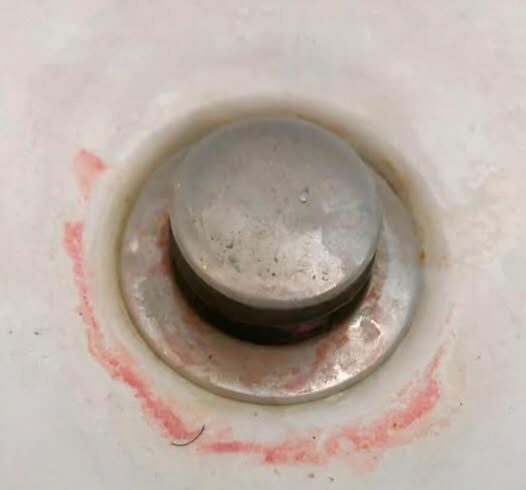
That Pink Slime in Your Shower May Not Be Mold — Here’s What Could Be Growing in Your Bathroom
The Common Pink Film Around Grout and Drains Is Often Linked to Bacteria
A pink or reddish film developing around shower grout, drains, toilet bowls, and other damp bathroom surfaces is easy to mistake for mold or ordinary soap residue.
In many cases, however, the discoloration is associated with a bacterium known as Serratia marcescens.
The organism can form a slippery biofilm on consistently wet surfaces, especially in warm bathrooms where soap, shampoo residue, and moisture accumulate.
For most healthy people, casual exposure is unlikely to cause problems, but the bacteria can become more concerning for people with weakened immune systems or when it reaches vulnerable areas such as open wounds or the eyes.
Why the Residue Looks Pink or Reddish
Serratia marcescens can produce a reddish-orange pigment known as prodigiosin.
That pigment is responsible for the characteristic pink, red, or orange appearance often noticed along bathroom surfaces.
The growth may begin as a faint discoloration that is easy to overlook.
Over time, it can become thicker and more noticeable, particularly along grout lines, shower curtains, drains, and other places that remain damp for long periods.
Because the residue can feel slippery or slimy, many homeowners assume it is a form of mildew.
One Doctor Drew Attention to the Issue Online
Dr. Karan Raj, a surgeon with the National Health Service, brought widespread attention to the bathroom phenomenon through a health warning shared online.
“If you’ve seen this pink slime lurking in your bathroom, it’s not mold—it’s bacteria,” Dr. Raj explained.
The distinction matters because bacteria and mold behave differently and may require different cleaning strategies.
Understanding what is growing on the surface can also help explain why the pink film sometimes returns shortly after routine cleaning.
Bathrooms Provide Ideal Conditions for Growth
Warm temperatures, frequent moisture, and limited airflow can create an environment where Serratia marcescens thrives.
Showers are particularly favorable because they are regularly exposed to water while also collecting residues from soaps, shampoos, and body-care products.
The bacterium can use some of the organic material left behind on bathroom surfaces as a source of nutrients.
When moisture remains trapped for hours after a shower, the conditions become even more favorable for repeated bacterial growth.
Soap and Shampoo Residue Can Help Feed the Biofilm
The pink film does not appear simply because a bathroom is wet.
Residues from personal-care products can contribute to the problem.
Bar soap, shampoo, body wash, and other products may leave fatty or organic deposits behind on tile, grout, tubs, and shower curtains.
These deposits create material that bacteria can use while colonizing a consistently damp surface.
This is one reason the pink residue is frequently seen around shower edges and drains where water and product buildup tend to collect.
Poor Ventilation Can Make the Problem Worse
A bathroom that remains humid long after someone finishes showering can encourage microbial growth.
Without adequate airflow, moisture lingers on walls, grout, curtains, floors, and fixtures.
This extended dampness gives bacteria additional time to establish a biofilm.
Using an exhaust fan can help remove humid air more quickly.
Keeping surfaces as dry as practical after bathing can also reduce the conditions that allow the pink residue to return.
Healthy Adults Usually Face a Low Risk
For most healthy adults, simply touching a surface containing Serratia marcescens does not automatically result in illness.
The concern becomes greater when the bacteria gain access to parts of the body where normal skin defenses are weakened.
Open cuts, irritated skin, and the eyes can provide possible entry points.
That is why cleaning the residue and avoiding direct contact with broken skin is a sensible precaution.
Some People May Be More Vulnerable
Not everyone has the same level of risk from environmental bacteria.
Infants, older adults, and people with weakened immune systems may be more susceptible to infection.
People recovering from serious illness can also be more vulnerable than otherwise healthy individuals.
In households where someone falls into one of these groups, keeping bathroom surfaces clean and dry becomes especially important.
Serratia Can Be Associated With Several Types of Infection
Serratia marcescens has been associated with urinary tract infections, wound contamination, eye inflammation, and respiratory problems in vulnerable individuals.
These complications are very different from simply having a small patch of pink residue on a shower wall.
The presence of bacteria in a bathroom does not mean that someone in the household will become ill.
However, allowing the biofilm to grow unchecked can increase opportunities for exposure.
Open Wounds Deserve Particular Caution
Broken skin can give bacteria a route into the body that intact skin normally blocks.
Someone with cuts, scrapes, or healing wounds should avoid rubbing those areas against contaminated bathroom surfaces.
The same principle applies during cleaning.
Protective gloves can reduce direct contact with both the bacteria and the cleaning products used to remove it.
After cleaning, hands should be washed thoroughly.
Avoid Getting the Residue in Your Eyes
The eyes are another area where direct exposure should be avoided.
When scrubbing contaminated surfaces, droplets can sometimes splash unexpectedly.
This is especially possible when strong cleaning products are being used.
Dr. Raj emphasized the importance of avoiding exposure to vulnerable areas.
“You still want to avoid getting it in your eyes or open wounds,” Dr. Raj warned.
The Bacterium Can Be Difficult to Treat Once Infection Occurs
Serratia marcescens has natural resistance to some commonly used antibiotics.
That does not mean every exposure becomes dangerous, but it can make confirmed infections more complicated to manage.
Medical treatment depends on the location and severity of infection as well as the individual patient’s health.
Anyone who develops signs of infection should seek appropriate medical evaluation rather than attempting to diagnose the cause based only on the presence of pink bathroom residue.
Pink Slime Is Not the Same Thing as Black Mold
The pink film itself is bacterial rather than fungal.
That distinction is important because many people casually refer to almost any bathroom discoloration as mold.
However, a consistently damp bathroom can support more than one type of unwanted growth.
Persistent humidity that allows pink bacterial biofilm to flourish can also create conditions favorable to mold elsewhere in the room.
Reducing moisture therefore helps address several bathroom hygiene problems at the same time.
Cleaning the Biofilm Requires More Than a Quick Wipe
Because Serratia marcescens forms a biofilm, the residue may cling tightly to surfaces.
A light wipe may remove the visible color while leaving enough material behind for the growth to return.
Scrubbing the affected area helps break up the film physically.
A suitable disinfecting cleaner can then be used to reduce the bacterial population on the surface.
Bleach-Based Cleaners Are Commonly Used
Cleaning products containing bleach can be effective against bacterial biofilms when used properly.
The product should be applied according to its label directions, including any required contact time before rinsing.
Good ventilation is important when using strong household disinfectants.
Bleach should never be mixed with other cleaning chemicals because dangerous reactions can occur.
Hydrogen Peroxide May Also Be Used on Suitable Surfaces
Hydrogen peroxide-based products are another option for cleaning some surfaces affected by bacterial residue.
As with any cleaning product, the material of the shower, grout, curtain, or fixture should be considered before use.
Testing a cleaner on a small area can help prevent unexpected discoloration or surface damage.
The manufacturer’s directions remain important because concentrations and recommended uses vary between products.
Vinegar May Not Be the Best Choice for Every Situation
Vinegar is widely used as a household cleaner, but it may not always provide the same disinfecting effect as products specifically formulated to kill bacteria.
Removing visible residue and disinfecting a surface are not necessarily the same task.
When the goal is to eliminate persistent bacterial biofilm, a disinfectant intended for that purpose may be more appropriate.
Whichever product is selected should be safe for the specific bathroom surface and used according to instructions.
Drying the Shower After Use Can Help Prevent Regrowth
Cleaning alone may not solve the problem if the bathroom remains continuously damp.
After showering, excess water can be removed from tile, doors, and other surfaces with a towel or squeegee.
This reduces the amount of standing moisture available for bacterial growth.
It can also help reduce soap residue before it has time to accumulate into a thicker layer.
Keep the Exhaust Fan Running After a Shower
Ventilation is one of the simplest ways to reduce lingering humidity.
Running the bathroom exhaust fan while showering helps remove warm, moist air.
Continuing to run it for approximately 20 minutes afterward gives the room additional time to dry.
Bathrooms without an effective fan may benefit from other forms of airflow when practical.
The key is preventing moisture from remaining trapped for extended periods.
Do Not Forget Shower Curtains and Liners
Pink residue does not only appear on hard tile surfaces.
Plastic shower curtains and liners can also develop visible bacterial buildup, particularly along the lower edges where water collects.
These areas may remain damp long after the rest of the bathroom appears dry.
Regular cleaning and allowing the curtain to spread out fully instead of remaining bunched together can help it dry more effectively.
Grout Can Be Particularly Difficult to Keep Clean
Tile grout is often porous and textured, making it easier for moisture and residue to remain trapped.
Once the pink biofilm develops in grout lines, it may require more thorough scrubbing than a smooth shower wall.
Routine cleaning can prevent a light film from becoming heavily established.
Areas near corners, drains, and shelves deserve particular attention because they often stay wet the longest.
Toilet Bowls Can Develop the Same Pink Discoloration
Serratia marcescens can also appear around toilets.
Pink or reddish residue may develop near the waterline or on areas that remain regularly damp.
This does not necessarily mean the water supply itself is contaminated.
The bacteria can come from the surrounding environment and then grow where moisture and nutrients are available.
Regular cleaning can help prevent visible buildup.
Prevention Is Easier Than Removing Heavy Buildup
A small pink patch is usually easier to manage than a thick biofilm that has spread across grout and fixtures.
Regularly wiping wet areas, removing soap residue, and improving ventilation can interrupt the conditions needed for continued growth.
The goal is not to create a completely sterile bathroom.
Instead, it is to prevent bacteria from establishing large, persistent colonies on frequently used surfaces.
Bathroom Hygiene Matters More in Some Households
Many homes include young children, older relatives, or people recovering from illness.
These individuals may have fewer defenses against opportunistic bacteria.
Routine cleaning and ventilation therefore become more than cosmetic issues in those households.
Reducing bacterial buildup can help lower unnecessary exposure in spaces used every day.
A Pink Shower Does Not Mean You Need to Panic
Discovering pink slime around a shower drain or tile grout can sound alarming once the bacterial explanation is understood.
However, its presence does not mean that everyone using the bathroom is in immediate danger.
Serratia marcescens is an environmental bacterium, and exposure does not automatically produce infection.
The sensible response is to clean the affected area carefully and reduce the moisture that encourages it to return.
Watch for Repeated Growth
If the pink film repeatedly returns only days after cleaning, the bathroom environment may be contributing to the problem.
Look for areas where water remains trapped.
Check whether the exhaust fan is functioning effectively and whether shower curtains, grout, and corners are drying properly.
Reducing residual soap and moisture can make repeated bacterial growth less likely.
The Biggest Defense Is Controlling Moisture
The recurring lesson behind pink bathroom slime is that moisture matters.
A warm, wet room covered with small amounts of organic residue provides an inviting environment for bacteria.
Removing the visible film is important, but preventing the bathroom from remaining humid can make a larger difference over time.
Using ventilation, drying surfaces, and cleaning regularly all work together.
@dr.karanr Pink slime club @Anna
That Pink Film Is Worth Paying Attention To
The next time a reddish or pink coating appears around shower grout, drains, curtains, or toilet surfaces, it may not be ordinary mold.
It could be Serratia marcescens forming a bacterial biofilm in an area where moisture and residue have accumulated.
For most healthy adults, the risk is low, but vulnerable individuals can face greater concerns if the bacteria enter wounds, eyes, or other susceptible areas.
Regular scrubbing, appropriate disinfectants, good airflow, and keeping wet surfaces as dry as practical can help prevent the buildup from becoming established.
What looks like a harmless streak of pink may simply be a reminder that even the cleanest-looking bathroom can provide a surprisingly comfortable home for microorganisms when moisture is allowed to linger.