
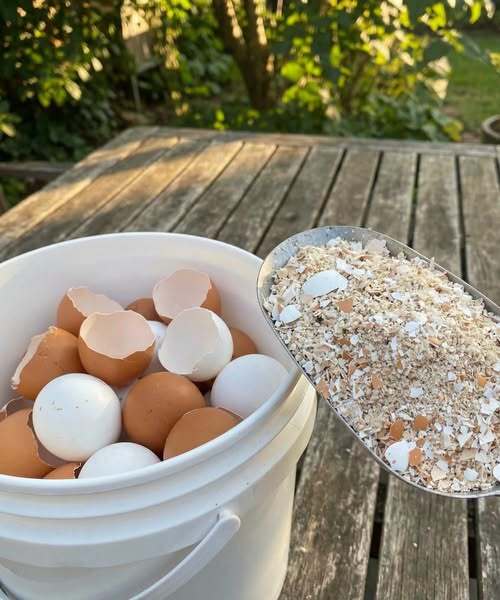
Smart Ways to Reuse Eggshells Around the Home and Garden
Why Eggshells Deserve a Second Look
Eggshells are often treated as ordinary kitchen waste. After breakfast, baking, or meal preparation, many people crack the eggs, use what they need, and throw the shells straight into the trash without thinking about them again.
Yet these simple leftovers can be surprisingly useful when handled properly. Eggshells are naturally rich in calcium and have a firm, slightly abrasive texture that makes them helpful for a range of practical tasks around the home and garden.
Reusing eggshells is not complicated. It does not require expensive products, special equipment, or advanced skills. With basic cleaning, drying, and storage, eggshells can become a small but valuable household resource.
For people looking to reduce waste, save money, and make better use of everyday items, eggshells offer an easy place to start. Instead of sending them to the garbage, they can be prepared for simple uses that support gardening, cleaning, and general household efficiency.
The Importance of Preparing Eggshells Properly
Before eggshells are reused, they should be cleaned and sanitized. This step is important because freshly cracked shells may still contain traces of egg white or membrane. If left untreated, those remains can create odor or make the shells unpleasant to store.
The process begins immediately after the eggs are cracked. Rinse the shells thoroughly under water to remove any leftover egg residue. Taking time with this step helps make the shells cleaner and easier to handle later.
After rinsing, place the shells in a pot of water. Bring the water to a gentle boil and allow the shells to remain there for about 10 to 15 minutes. This boiling step helps sanitize them before they are used in household or garden projects.
Once the shells have been boiled, drain the water carefully. Spread the shells on a clean towel or baking sheet so they can dry completely. They should not be stored while damp, because moisture can affect their quality and may lead to unpleasant smells.
When the shells are fully dry, they can be placed in an airtight container. Storing them this way keeps them ready for future use and prevents them from scattering around the kitchen. Depending on the intended purpose, the shells can later be crushed into coarse pieces or ground into a finer texture.
Using Eggshells in the Garden
One of the most common uses for prepared eggshells is in the garden. Many gardeners value them because they gradually break down and contribute natural minerals to soil over time.
Crushed eggshells can be mixed into compost or worked directly into garden soil. As they decompose, they become part of the soil structure and help make use of minerals that would otherwise have been thrown away.
This approach is especially appealing because it turns kitchen scraps into something useful outdoors. Instead of buying additional materials for every small garden improvement, households can repurpose what they already have.
Eggshells should not be expected to change soil instantly. Their breakdown is gradual, so they are best viewed as a slow, natural addition rather than a quick solution. When used consistently, however, they can become part of a practical waste-reducing garden routine.
Because eggshells are lightweight and easy to store after preparation, gardeners can collect them over time. A small container of dried shells can build up quickly in a busy kitchen, especially in homes where eggs are used regularly.
A Simple Barrier for Crawling Garden Pests
Another garden use for eggshells involves scattering larger crushed pieces around plants. The rough texture may help discourage certain crawling pests from moving easily across the area.
This use relies on the physical structure of the shell pieces. When crushed into coarse fragments, eggshells create an uneven surface around delicate plants. Some gardeners place them near stems or around small planting beds as an added layer of protection.
It is important to keep expectations realistic. Eggshells are not a professional pest-control treatment, and they should not be treated as a guaranteed solution for every garden problem. They are simply one practical household material that may offer some support when used thoughtfully.
For best results, the shell pieces should be clean and dry before they are scattered outdoors. Prepared shells are easier to handle and less likely to attract unwanted smells or mess.
This method can be especially useful for people who prefer simple, low-cost garden practices. It offers a way to reuse waste while adding a physical barrier around plants without relying on harsh materials.
Turning Eggshells Into Tiny Seed Starters
Eggshell halves can also be used as small seed starters. Their shape makes them naturally suited for holding a little potting soil, and their size works well for starting herbs, flowers, or other small plants.
To use eggshells this way, keep the shell halves as intact as possible when cracking the eggs. After cleaning, boiling, and drying them, fill each half with potting soil. Then place seeds inside and care for them until seedlings begin to grow.
Once the seedlings are ready to be moved outdoors, the shell can be placed directly into the garden. Over time, it naturally decomposes in the soil. This makes the process simple and reduces the need to remove the young plant from a separate plastic container.
Eggshell seed starters are small, so they are best for early growth rather than long-term plant development. They can provide a helpful beginning, but seedlings will still need enough space, soil, and care once they are ready for the next stage.
This use is especially appealing because it combines waste reduction with gardening. A shell that might have been discarded becomes a temporary container for new growth.
Using Eggshells for Gentle Household Scrubbing
Prepared eggshells can also be useful indoors. When finely crushed and mixed with warm, soapy water, they can form a gentle scrubbing paste for certain durable surfaces.
The texture of crushed eggshells gives the mixture mild abrasive power. This can help with cleaning sturdy cookware, sinks, and other surfaces that can handle light scrubbing.
This method offers a biodegradable alternative to harsher cleaning products for some household tasks. It is simple, low-cost, and uses a material that is already available in many kitchens.
However, care is necessary. Because eggshells can be abrasive, they should not be used on delicate surfaces or anything that scratches easily. What works well on a sturdy sink or durable pot may not be suitable for polished, coated, or fragile materials.
Before using crushed eggshells as a scrub, it is wise to think about the surface being cleaned. The shells should be finely crushed for smoother use, and pressure should be gentle rather than forceful.
How to Store Eggshells for Later Use
Good storage makes eggshell reuse easier. Once shells are rinsed, boiled, and fully dried, they can be kept in an airtight container until needed.
Dryness is especially important. If eggshells are stored while damp, they may become unpleasant to keep in the kitchen. Proper drying helps preserve them and keeps the storage container cleaner.
Some households may choose to keep coarse crushed shells for garden use and finely ground shells for cleaning tasks. Separating them by texture can make it easier to use the right form for the right job.
Coarse pieces work well when shells are being scattered around plants or mixed into compost. Finer pieces are better when a smoother scrubbing texture is needed for durable household surfaces.
Because eggshells are fragile, they do not require much effort to crush. A small amount can be prepared at a time, or shells can be collected gradually and processed in batches.
Keeping Expectations Realistic
Although eggshells are versatile, they should be used with realistic expectations. They are best suited for practical household and gardening purposes, not as replacements for health products or professional treatments.
The fact that eggshells contain calcium does not mean they should be used casually for personal health purposes. Their safest and most practical value is in non-medical uses such as composting, gardening, seed starting, and gentle cleaning.
It is also important to remember that natural household materials are not always suitable for every job. Eggshells can help in certain ways, but they are not a complete solution for soil problems, pest issues, or difficult cleaning challenges.
Used thoughtfully, they can still be helpful. Their value comes from being simple, available, inexpensive, and easy to prepare.
A Small Habit That Reduces Waste
Reusing eggshells is a small habit, but small habits can make a home more resourceful. Every shell that is cleaned and reused is one less item going directly into the trash.
This kind of reuse encourages people to look differently at everyday waste. Items that seem useless at first may still have practical value when handled carefully.
Eggshells are a good example because they are common, easy to collect, and useful in several ordinary tasks. They do not require a major lifestyle change or a large investment.
For gardeners, they can become part of compost, soil care, pest barriers, and seed starting. For household cleaning, they can serve as a gentle abrasive on sturdy surfaces when mixed with warm, soapy water.
The key is preparation. Clean, boiled, dried shells are far more useful than shells tossed aside without care. Once prepared, they can be stored and used whenever needed.
Making the Most of Everyday Kitchen Leftovers
Eggshells may look like waste, but they can serve a second purpose with very little effort. Their natural calcium content and durable texture make them useful for several simple household and garden tasks.
By rinsing, boiling, drying, and storing them properly, homeowners can safely keep eggshells ready for future use. From compost and soil support to seed starters and gentle scrubbing paste, these leftovers can become part of a practical home routine.
They should be used carefully and realistically, especially around delicate surfaces or when dealing with garden challenges that require stronger solutions. Still, when handled thoughtfully, eggshells can offer real everyday value.
Sometimes the simplest household items have more potential than they appear to have at first. Giving eggshells a second life is an easy way to reduce unnecessary waste, save a little money, and make the home and garden more resourceful.