
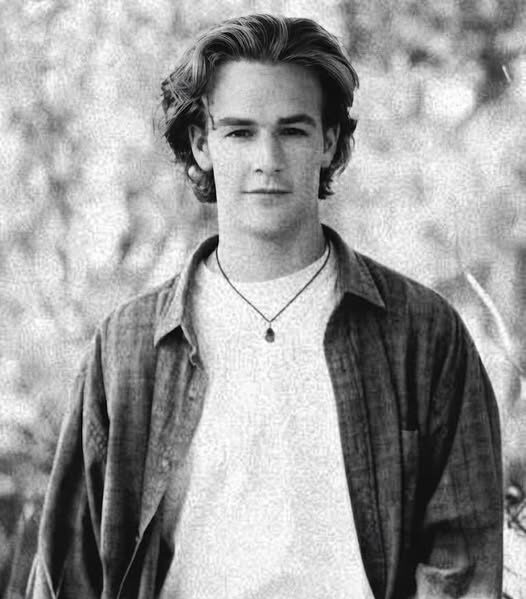
James Van Der Beek Dies at 48 After Battle With Colorectal Cancer
The Dawson’s Creek Star Leaves Behind a Television Legacy That Defined a Generation
The entertainment world is mourning James Van Der Beek, the actor whose portrayal of Dawson Leery made him one of television’s most recognizable young stars at the end of the 1990s.
Van Der Beek died on February 11, 2026, at the age of 48 following his battle with colorectal cancer. His death was announced by his family, who remembered him not only as a performer but also as a devoted husband, father, and friend.
For viewers who grew up watching Dawson’s Creek, the news represented the loss of someone closely connected to their teenage years.
The series became a defining part of late-1990s television, and Van Der Beek’s thoughtful, idealistic character stood at the center of its emotional stories.
His work gave a generation a familiar face through which to explore friendship, ambition, first love, disappointment, and the uncertainty of growing up.
Following news of his death, fans and former colleagues began sharing memories of the actor and reflecting on the lasting influence of the roles he brought to the screen.
The Role That Made Him a Household Name
Van Der Beek achieved international recognition as Dawson Leery, the aspiring filmmaker at the heart of Dawson’s Creek.
The series followed Dawson and his friends as they navigated adolescence, complicated relationships, changing ambitions, and the difficult transition into adulthood.
Dawson was emotional, imaginative, and deeply invested in the idea that life could be understood like a film. Van Der Beek gave the character a mixture of confidence and vulnerability that made him relatable to young viewers.
His performance became inseparable from the identity of the show.
For many fans, Dawson Leery was more than a television character. He represented the intensity of adolescence, when friendships seemed permanent, romantic disappointments felt overwhelming, and the future appeared both exciting and frightening.
Van Der Beek’s face became one of the defining images of the era. Promotional photographs, magazine covers, and scenes from the series established him as a major figure in youth-oriented entertainment.
Although the role brought enormous success, it also created expectations that followed him throughout his career.
Dawson’s Creek Became a Cultural Touchstone
Dawson’s Creek arrived during a period when television dramas centered on young people were becoming increasingly influential.
The series distinguished itself through emotional conversations and characters who openly examined their fears, relationships, and personal identities.
Van Der Beek’s Dawson often viewed the world through stories and cinema. His desire to become a filmmaker shaped his choices and his understanding of the people around him.
That perspective gave the character a recognizable voice while also creating conflict. Dawson’s idealized view of love and friendship did not always match reality, and much of his growth came from confronting that difference.
Audiences watched Van Der Beek portray those changes over several formative years.
As the characters matured, the viewers who followed them were often experiencing similar transitions in their own lives.
This connection helped the show remain meaningful long after its original run. Later audiences continued discovering it, while longtime fans returned to episodes carrying memories of where they were when they first watched them.
Success Beyond Capeside
Although Dawson Leery remained Van Der Beek’s most famous character, the actor continued working in film and television after the series.
One of his best-known film roles came in Varsity Blues, in which he played a high school quarterback facing intense pressure from his coach, team, and community.
The performance allowed him to step into a different kind of coming-of-age story. Instead of an aspiring filmmaker examining relationships, Van Der Beek portrayed a young athlete forced to decide what kind of person he wanted to become.
The film expanded his audience and became another important part of his career.
Over the years, he continued accepting projects that allowed him to move beyond the sensitive teenager associated with Dawson’s Creek.
Some roles drew on his dramatic abilities, while others gave him opportunities to display comedy and self-awareness.
His willingness to acknowledge his early fame became one of the most appealing qualities of his later work.
An Actor Willing to Laugh at His Own Image
Van Der Beek understood that Dawson Leery had become permanently attached to his public identity.
Instead of spending his career trying to pretend the role did not exist, he sometimes used the association creatively.
He demonstrated a willingness to joke about his own celebrity image and the emotional reputation surrounding his most famous character.
This self-awareness allowed audiences to see a different side of him.
The actor who had once been known primarily for intense teenage drama could be playful, exaggerated, and willing to challenge the public’s assumptions.
That flexibility helped him continue working while many performers from the same period struggled to escape the roles that first made them famous.
Van Der Beek did not erase Dawson from his story. He learned how to carry the character with humor while showing that his abilities extended beyond one television series.
A Career Built Across Film and Television
Throughout his professional life, Van Der Beek appeared in numerous productions that demonstrated his range and persistence.
He worked in both leading and supporting roles, moving between drama, comedy, and projects that allowed him to experiment with how audiences perceived him.
His career reflected the reality faced by many actors who become famous at a young age.
Early success can provide opportunities, but it can also create a fixed image that is difficult to change.
Van Der Beek continued performing rather than allowing one defining role to become the conclusion of his professional story.
Even when new work was compared with Dawson’s Creek, he remained willing to explore unfamiliar characters and different styles of storytelling.
That determination became part of his legacy. He was not only the young actor audiences remembered from Capeside, but also a professional who spent decades continuing to develop his craft.
His Cancer Diagnosis Became Public
Van Der Beek publicly disclosed his colorectal cancer diagnosis in November 2024.
He explained that he had already been privately dealing with the illness while receiving support from his family.
The disclosure brought an intensely personal struggle into public view.
Fans who had followed him for decades responded with messages of encouragement, while the actor continued discussing the importance of family and the perspective his illness had given him.
His diagnosis also drew attention because colorectal cancer is often discussed as a disease affecting older adults, even though younger people can also develop it.
For many admirers, learning about his condition was difficult to reconcile with the youthful image preserved through Dawson’s Creek and Varsity Blues.
Television reruns allowed audiences to see him repeatedly as a young man, while his real life had entered a far more challenging chapter.
Family Remained at the Center of His Life
Beyond his professional accomplishments, Van Der Beek was remembered by those closest to him as a loving family man.
He and his wife, Kimberly, shared six children, and family became an increasingly visible part of how he understood his life and priorities.
His public reflections frequently moved beyond career success and celebrity recognition.
He spoke about fatherhood, marriage, emotional growth, and the meaning found in ordinary moments with loved ones.
During his illness, that family bond became especially significant.
The people closest to him supported him through treatment and remained beside him during his final chapter.
When his death was announced, his family described a peaceful passing marked by courage, faith, and grace.
They also requested privacy as they began grieving the loss of a husband, father, and deeply loved companion.
Fans Remember the Person Behind Dawson Leery
Tributes following Van Der Beek’s death reflected the unusual closeness audiences can feel toward television performers.
A film actor may enter a viewer’s life for a few hours. A television star can return every week for years, becoming connected to routines, friendships, and specific stages of growing up.
Van Der Beek held that place for millions of people.
Some fans remembered watching Dawson’s Creek during its original run. Others discovered the series later and connected with its stories through streaming and reruns.
Many tributes focused on particular scenes, favorite episodes, and the emotional honesty Van Der Beek brought to Dawson.
Others remembered Varsity Blues or the actor’s later comedic performances.
Together, those memories revealed a career that extended across generations and multiple forms of entertainment.
Former Colleagues Join the Public Mourning
Actors who worked with Van Der Beek also honored his memory and the relationships formed during his years in the entertainment industry.
For his Dawson’s Creek colleagues, his death carried the pain of losing someone connected to an experience that transformed all their lives.
The show’s young cast entered global fame together, working through long production schedules while adapting to sudden public attention.
Those years created bonds that remained meaningful long after the final episodes were completed.
Public tributes emphasized Van Der Beek’s warmth, humor, professionalism, and devotion to his family.
They also reminded fans that the actor behind Dawson was more complex than the character through whom most people first knew him.
Why the News Felt Like the End of an Era
The death of a performer associated with a beloved television series can make the passage of time feel unexpectedly immediate.
Dawson’s Creek remains available to watch, preserving Van Der Beek as a young actor standing beside the creek, discussing movies, relationships, and dreams of the future.
Yet the news of his death forced viewers to recognize how many years had passed since those episodes first aired.
For fans, the grief was connected not only to the actor but also to their own memories.
His passing brought back thoughts of childhood bedrooms, college years, old friendships, and evenings spent waiting for the next episode.
Entertainment becomes part of personal history in ways that are difficult to measure.
Van Der Beek’s work accompanied viewers through important years, which is why many experienced his loss as something more personal than an ordinary celebrity announcement.
A Role That Will Continue Reaching New Viewers
Dawson Leery will remain the character most closely associated with James Van Der Beek.
That connection does not diminish the rest of his career. It reflects the extraordinary impact one performance can have when it arrives at the right moment and reaches the right audience.
The character’s ambitions, insecurities, and emotional mistakes helped define the series.
Van Der Beek allowed Dawson to be idealistic without making him invulnerable. He portrayed a young man who wanted life to follow a meaningful story but repeatedly discovered that people could not be controlled like characters in a screenplay.
That tension gave the role lasting emotional value.
Future viewers will continue discovering the series, ensuring that Van Der Beek’s best-known performance remains part of television culture.
His Work Extended Beyond One Defining Character
Although his obituary will always mention Dawson’s Creek first, Van Der Beek’s career cannot be reduced to a single title.
Varsity Blues gave him another memorable role and demonstrated his ability to lead a major film.
His later television appearances revealed his comedic instincts and his willingness to challenge the serious image that early fame had created.
He remained active in an industry known for quickly moving past young stars once a popular series ends.
That longevity required resilience.
Van Der Beek continued auditioning, performing, and accepting the vulnerability that comes with presenting new work to audiences who believe they already know who an actor is.
His career therefore became a story not only of early success but also of persistence after the brightest period of fame had passed.
A Public Figure Facing a Private Struggle
Cancer changed the final years of Van Der Beek’s life, but it did not erase everything that came before it.
His illness became one part of a larger story that included creative achievement, family, humor, professional reinvention, and the affection of viewers around the world.
By speaking publicly about his diagnosis, he allowed fans to understand some of what he and his family were experiencing.
At the same time, much of that journey remained private, as it should for anyone facing a serious medical condition.
His family’s request for privacy after his death recognized the difference between the public’s grief and the far more intimate pain experienced by those who loved him personally.
Millions lost a familiar performer. His wife and children lost a central presence in their daily lives.
James Van Der Beek’s Lasting Legacy
James Van Der Beek leaves behind work that will continue to connect viewers with an important period in television history.
His portrayal of Dawson Leery helped make Dawson’s Creek a defining series for an entire generation.
His performance in Varsity Blues gave audiences another character struggling to choose his own future under intense pressure.
His later projects demonstrated humor, versatility, and a willingness to move beyond the image that first made him famous.
Most importantly to those closest to him, he leaves behind a family that remained at the center of his life.
The tributes surrounding his death reveal the many ways one person can be remembered.
To some, he will always be Dawson, the idealistic teenager dreaming of becoming a filmmaker.
To others, he will be the quarterback who challenged the expectations placed upon him, or the experienced actor who learned to laugh at his own fame.
To his family, he was a husband, father, and loved one whose importance extended far beyond any screen role.
A Final Farewell to a Familiar Face
James Van Der Beek’s death closes a life far too early, but it does not end the connection audiences formed with his work.
Television preserves performances long after production ends, allowing familiar voices and faces to return whenever viewers press play.
Fans can revisit Capeside, return to the football field in Varsity Blues, and rediscover the many roles that followed.
Those performances now carry additional meaning.
They document the talent of an actor who became famous while still young, grew beyond the character that defined him, and continued working while building a life centered on family.
As tributes continue, James Van Der Beek will be remembered as more than the star of a beloved teenage drama.
He will be remembered as a performer who helped shape an era, a resilient artist who kept evolving, and a family man whose loss is being felt far beyond the television world.