
Charlie’s Angels and the Lasting Power of Women at the Center of the Story
A Television Debut That Changed the Screen
When Charlie’s Angels arrived on television in 1976, it became more than a glamorous crime series. It introduced a new image of female heroes at a time when women were not often placed at the center of action, strategy, and independence.
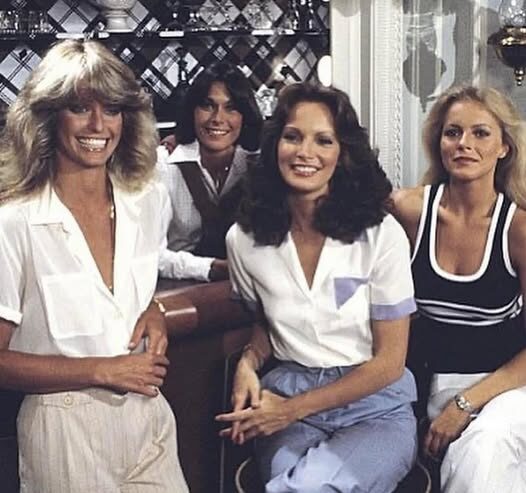
The original Angels, Farrah Fawcett, Kate Jackson, and Jaclyn Smith, helped transform that idea almost immediately. Their characters were stylish and memorable, but they were also capable, clever, and central to the story.
For many viewers, the series offered something that felt fresh and important. Women were not simply watching from the sidelines or waiting to be rescued. They were solving cases, facing danger, and driving the action forward.
The Original Angels and Their Cultural Impact
The success of the original trio gave the show its strongest early identity. Farrah Fawcett, Kate Jackson, and Jaclyn Smith each brought a different presence to the series, creating a balance that audiences connected with quickly.
The show mixed mystery, confidence, glamour, and adventure in a way that made the Angels stand out. They were not written as background characters. They were the reason viewers tuned in.
That visibility mattered. For millions of young women, seeing female leads presented as intelligent, active, and independent created a powerful cultural moment.
The Angels became a symbol of possibility. Their popularity showed that women could carry a major television series while leading stories built around action and problem-solving.

A Changing Cast With the Same Core Spirit
As the series continued, the cast changed, but the central idea remained. Cheryl Ladd, Shelley Hack, and Tanya Roberts later joined the franchise as new Angels, bringing their own energy to the show.
Each new cast member helped keep the series alive while preserving its recognizable style. The Angels remained confident, polished, and capable, even as the lineup evolved.
The changes also showed that the concept was larger than one cast alone. The appeal came from the idea of women leading the action with charm, intelligence, and determination.
Glamour, Criticism, and Influence
Over time, some critics argued that Charlie’s Angels relied too heavily on glamour. That criticism became part of the larger conversation around the show’s legacy.
Still, its influence could not be erased. Even with debate around its style, the series helped open space for female-centered action and adventure stories.
The Angels were visually iconic, but their importance came from more than appearance. They helped shift expectations about who could lead a story and what kind of roles women could occupy on screen.
The phrase “Good morning, Charlie” became one of the show’s most familiar signatures. It reflected not only the structure of the series, but also the arrival of a new kind of television heroine.
The Franchise Finds New Generations
The legacy of Charlie’s Angels did not end with the original television series. The early 2000s films starring Cameron Diaz, Drew Barrymore, and Lucy Liu introduced the franchise to a new audience.
Those films brought a brighter, faster, and more explosive version of the concept. They kept the core idea alive while giving it a new style for a different generation.
Later, the 2019 film led by Kristen Stewart, Naomi Scott, and Ella Balinska continued the effort to reimagine the Angels for modern viewers. While later versions did not always match the original’s success, they showed the lasting strength of the concept.
Across each version, the message remained clear. Women could lead, command, fight, and thrive on their own terms.
A Landmark in Television History
Today, Charlie’s Angels remains a landmark in television history. Its importance comes from the way it placed women at the center of action during a period when that was still uncommon.
The show helped prepare the ground for later female-led stories across television and film. Its influence can be seen in later projects built around strong, complex women who are not treated as secondary characters.
From Alias to Wonder Woman to Killing Eve, the broader entertainment landscape continued moving toward stories where women could be powerful, complicated, and central.
Charlie’s Angels did not create that future alone, but it played a meaningful role in making it easier to imagine.
A Legacy That Still Resonates
The lasting appeal of Charlie’s Angels comes from its combination of style and confidence. The series understood the power of image, but it also understood the power of placing women in control of the story.
Its glamorous grit became part of its identity. The Angels looked polished, but they were also active participants in danger, mystery, and justice.
That combination helped the franchise remain recognizable across decades. Each new version returned to the same essential idea: women can be the heroes of their own stories.
More than a nostalgic television title, Charlie’s Angels stands as a reminder that representation can shape imagination. For viewers who saw themselves in the Angels, the show offered more than entertainment.
It offered a different picture of possibility. It showed that women did not have to be side notes, sidekicks, or background figures. They could be the center of the story.