
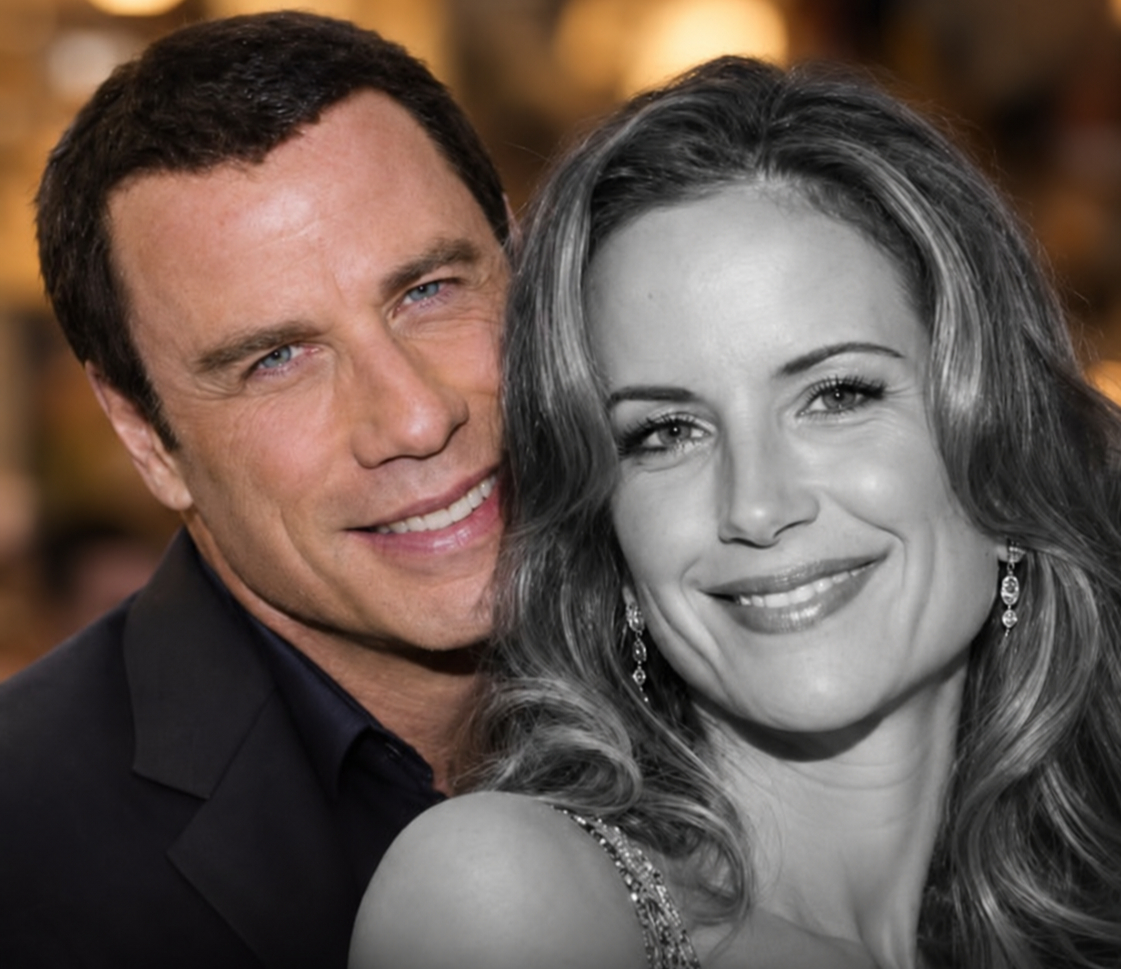
John Travolta Says He Is Open to Love Six Years After Kelly Preston’s Death
The Actor Discussed Dating, Grief, and His Commitment to His Children During a Today Interview
John Travolta has said he is open to finding love again, while explaining that caring for his children has been his priority since the death of his wife, Kelly Preston, in 2020.
The 72-year-old actor addressed the subject during a November 16 appearance on Today with Craig Melvin. He was promoting his film November 1963 when the conversation turned toward family and the possibility of dating.
Travolta’s answer was direct. “So am I open to it? Yes.”
He did not announce a relationship or identify a new partner. Instead, he described openness to a possibility after years spent helping his daughter, Ella Bleu, and son, Benjamin, adjust to life without their mother.
His remarks offered a measured account of a family continuing to recover. They did not suggest that grief had ended or that his commitment to Preston’s memory had changed.
Family Came First After Preston’s Death
Preston died in July 2020 following a battle with breast cancer. Her death ended a marriage that had lasted nearly thirty years and left Travolta caring for their two surviving children.
Benjamin was nine when he lost his mother. Ella was also navigating a profound change in the family, and Travolta described wanting to help both children feel more settled about what had happened and what lay ahead.
That responsibility shaped how he approached the following six years. Romance was not the focus of the life he described building around their needs.
His comments emphasized the work of parenting after a loss rather than presenting that period as a withdrawal from love altogether. Affection and commitment remained central, directed toward helping his children through their grief.
He also acknowledged the weight of taking on responsibilities previously shared with Preston. Becoming the remaining parent required him to respond to circumstances he and the children had not chosen.
His description was practical as well as emotional. The family needed support and stability, and he wanted to concentrate on providing both before considering other parts of his personal future.
Benjamin’s Fear Revealed Another Part of the Loss
Travolta has previously discussed Benjamin’s concern that he might lose his father as well. After Preston’s death, the child’s grief included anxiety about what could happen next.
That fear added another dimension to Travolta’s responsibilities. Helping his son involved more than acknowledging the mother he missed; it also meant responding to uncertainty about the parent who remained.
The conversation illustrated how differently grief can appear within the same household. A parent and child may share a loss while facing different questions about its meaning.
For Travolta, Benjamin’s worry became part of the reason to remain attentive to his children’s emotional security. He wanted them to feel supported as they continued growing up.
His account does not provide every detail of those private years, nor does it need to. It explains why he regarded family care as the central task following Preston’s death.
By the time of the Today interview, he could describe progress without claiming that everything had become simple. His children’s increasing happiness mattered precisely because recovery had taken time.
A Short Answer With an Important Distinction
Asked about dating, Travolta connected love with his personality before confirming that he remained open to it. The answer expressed a willingness to consider a future relationship.
That is different from saying that a relationship has already begun. No new romance was announced during the exchange described.
The distinction keeps the focus on what he actually shared. He acknowledged a possibility while explaining why his attention had been elsewhere for several years.
It would also be too strong to describe the interview as proof of a complete emotional transformation. A brief public answer cannot establish every stage of a person’s private experience of bereavement.
What it does show is that Travolta did not rule out companionship. His response allowed that possibility to exist alongside his continuing dedication to his children and affection for his late wife.
Those parts of his life do not have to cancel one another. His remarks presented them together, without offering a timetable or a promise about what would happen next.
Ella’s Tribute Brought Her Father to Tears
The interview followed an emotional public occasion involving Ella, now 26. During an awards ceremony in Washington, she honored her father with a speech that moved him to tears.
Her tribute described him as her hero. For Travolta, hearing his daughter speak about him became a deeply affecting moment.
The exchange offered another perspective on the family relationship he discussed with Melvin. While his interview emphasized responsibility and recovery, Ella’s words reflected her appreciation for the father who had supported her.
Public recognition and a daughter’s tribute carry different meanings. An award acknowledges a career or contribution, while a family member’s words can speak to experiences that remain largely outside public view.
Travolta’s emotional reaction connected those two parts of the occasion. The established performer receiving an honor was also a father listening to his child.
The moment did not reveal every detail of their family life. It did provide a clear expression of closeness at a time when he was reflecting publicly on the years since Preston’s death.
Creative Work Remains Part of Their Shared Life
Travolta’s family reflections came alongside continuing professional activity. His Today appearance concerned November 1963, keeping the conversation connected to a new acting project as well as his personal life.
Another significant project was Propeller One-Way Night Coach, his directorial debut. Ella appeared in the film, creating a professional connection alongside their relationship as father and daughter.
Working within the same production added another shared experience to their lives. It also demonstrated that family connection could exist within creative work rather than only away from it.
The project held personal meaning for Travolta, but it should not be treated as evidence that work itself resolved the family’s grief. His comments described healing as something continuing over time.
Professional milestones and emotional recovery can happen alongside one another. The presence of new work does not make earlier losses less significant.
For audiences, these projects provide another way to see Travolta moving forward. For the family, they form part of a broader life that includes both public achievements and private memories.
Keeping Preston’s Memory Present
Travolta continues to remember Preston on birthdays and other important occasions. His public tributes connect her memory with the lives their children are building.
That continuing remembrance is an important part of the context surrounding his comments about dating. Openness to a future relationship does not amount to forgetting the marriage that shaped so much of his life.
The family had also experienced the earlier death of their eldest son, Jett. His loss remains part of the history behind Travolta’s reflections on family and resilience.
These experiences make simple narratives about moving on inadequate. The actor’s account concerns continuing to live with loss while caring for the people still beside him.
He described Ella and Benjamin as growing happier with each passing year. That observation suggested progress while leaving room for the lasting importance of their mother.
His pride in their resilience also reflected the parenting he and Preston had shared. Their children’s development remained connected to both parents, even as Travolta carried the daily responsibility alone.
An Open Future Without a New Announcement
The clearest message from the interview was one of possibility. Travolta said he was open to love, but placed that answer within six years of concentrating on his children.
He offered no new partner, no relationship announcement, and no timetable. What he shared was an acknowledgment that companionship could remain part of his future.
Alongside that openness were the same priorities he had described throughout the conversation: helping his children feel secure, recognizing their progress, and remaining present as they grow.
His answer was candid without claiming that grief follows a fixed schedule. For now, the family continues forward with Preston’s memory intact and room for whatever the next chapter may bring.