
Karoline Leavitt’s White House Press Changes Put the Focus on Who Gets to Ask Questions
The Administration Opened Briefings to New Media and Took Over the Selection of the Presidential Press Pool
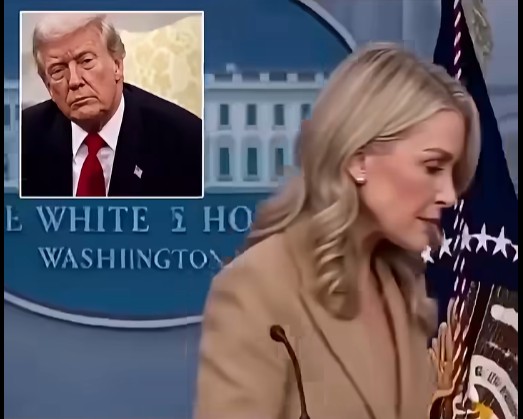
When White House Press Secretary Karoline Leavitt held her first briefing in January 2025, she announced that a front-row seat previously used by press office staff would be set aside for outlets without an assigned place in the room. Independent journalists, podcasters, and other creators who produce news could apply for credentials. At that briefing, the first questions went to reporters from Axios and Breitbart.
A month later, Leavitt announced a separate change with broader consequences. The White House press team would decide which outlets participate in the small group of journalists that covers the president when space is limited. The administration said it wanted to include a wider range of outlets. The White House Correspondents’ Association, which had long coordinated the pool, objected to giving government officials control over the selection.
Why the White House Created a New Media Seat
Leavitt presented the briefing room change as a response to the way people get their news. A reader might follow a regional publication for stories close to home, a newsletter for national politics, and a podcast for interviews. Each of those outlets may reach an audience that rarely watches a televised White House briefing.
The application process gave outlets without assigned seats a way to seek access. Leavitt said her team would review applications and that anyone admitted would have to meet Secret Service requirements for entering the White House complex.
Local and digital outlets can bring questions shaped by the people they cover. A regional reporter might ask how a federal decision will affect a major employer in a particular community. A journalist who covers one policy area might be able to ask for details that would otherwise pass without much discussion in a general briefing.
Press Briefings and the Presidential Pool Serve Different Purposes
At a regular White House briefing, reporters generally put their questions to the press secretary or another administration official. The presidential press pool covers events and movements involving the president in settings where there is room for only a small group of journalists. Pool members share accounts of what they see and hear with colleagues who could not attend.
Leavitt said the White House would continue to include established organizations in the pool while offering places to outlets that had previously had fewer opportunities to participate. She discussed keeping rotations for major television networks and adding outlets across formats, including streaming and local radio.
The correspondents’ association raised a different question about the change. When the White House picks the pool, the officials being covered also decide which journalists get to witness an event and, when questions are permitted, put them directly to the president. That matters even to outlets that rarely serve in the pool because they often rely on its reporting.
Comparing Presidential Access Means Looking at the Format
Questions about how often a president takes questions also came up repeatedly during Joe Biden’s term. Formal news conferences were relatively infrequent compared with several recent predecessors, though Biden regularly took questions in shorter exchanges.
Presidential communications researcher Martha Joynt Kumar recorded 37 press conferences, 151 interviews, and 679 informal question-and-answer sessions during Biden’s four years in office. Those categories capture different kinds of access. A brief exchange after a speech may let a reporter get an immediate answer. A longer interview or news conference usually gives journalists more time to press for specifics when an answer leaves something unresolved.
Speeches, written statements, and staff briefings serve other purposes. They can explain a decision in detail or put information on the record. Direct questioning gives reporters a chance to test that explanation and ask about details the administration may have left out.
What Wider Access Can Change for the Public
Bringing more outlets into the room can change which subjects receive attention and which audiences hear directly from officials. The impact depends on how often those outlets get to participate, what questions they can ask, and whether officials make time for follow-ups.
The rules governing access matter just as much as the list of participating organizations. Clear credentialing standards and a predictable rotation help reporters understand how they can cover the White House. They also give the public a way to judge whether outlets with different editorial approaches receive comparable opportunities.
A new seat can put a question on the record that otherwise might never be asked. A press pool can give hundreds of newsrooms a shared account of an event they had no room to attend. In either setting, the public gets more from the access when reporters can ask for specifics, hear the answer directly, and follow up when it leaves a question open.