

8-Year-Old Louisiana Girl Dies After Rare Naegleria fowleri Infection Linked to Lake Swimming
A Louisiana Family Is Mourning the Loss of 8-Year-Old Lillian Smart
A Louisiana family and an entire community are grieving after the death of 8-year-old Lillian Smart, a young girl remembered for her bright smile, joyful personality, and ability to bring happiness to the people around her.
Lillian died after developing an extremely rare infection caused by Naegleria fowleri, commonly known as the “brain-eating amoeba.”
Health officials believe she was most likely exposed while swimming in Lake Claiborne in north Louisiana.
Her death has left her parents, Daniel and Rebecca Smart, facing a loss they described as overwhelming.
Her Parents Shared the Heartbreaking News
Lillian’s parents announced her death in an emotional Facebook message Sunday.
“Last night Lillian ran from our arms to the arms of Jesus,” they wrote. “The injuries to her brain were too severe for her little body to recover from. Everyone did everything they could to keep her here.”
They continued with a simple statement that reflected the depth of their grief.
“We are heartbroken and honestly do not know what to do next…”
The message came after days of treatment and support from medical professionals, family members, friends, and members of the local community.
Lillian Had Been Hospitalized Since August 15
Lillian had been hospitalized since August 15 after becoming infected with Naegleria fowleri.
Doctors worked to save her, but the infection caused devastating damage to her brain.
Despite those efforts, her body could not recover from the severity of the illness.
The infection that struck Lillian is considered exceptionally rare.
Its rarity, however, does not make its effects any less serious.
Health Officials Believe Lake Claiborne Was the Likely Source
The Louisiana Department of Health confirmed that the state had recorded its first known Naegleria fowleri infection since 2013.
Officials said Lillian’s case was most likely associated with swimming in Lake Claiborne.
The lake is located in north Louisiana and had been part of what should have been an ordinary day in the water.
There was no indication that such a routine activity would lead to a medical emergency of this magnitude.
What Is Naegleria fowleri?
Naegleria fowleri is an amoeba that can naturally occur in warm freshwater environments.
Those environments can include lakes, rivers, ponds, and canals.
Human infection occurs when contaminated water enters the body through the nose and the amoeba travels toward the brain.
The resulting illness is known as primary amebic meningoencephalitis.
It is extremely rare but is also considered nearly always fatal.
The Infection Does Not Happen Through Ordinary Drinking
The danger described in Lillian’s case is associated with contaminated water entering through the nose.
That pathway allows the organism to reach the brain.
The illness is not described as a common consequence of simply being near freshwater.
Its rarity is reflected in the very small number of confirmed cases recorded over decades.
Only Around 180 U.S. Cases Were Confirmed From 1937 Through 2025
According to the Louisiana Department of Health, only around 180 confirmed Naegleria fowleri infections were recorded in the United States between 1937 and 2025.
That extraordinarily small number helps explain why most families may never personally encounter the infection or know someone who has.
At the same time, the severity of the illness means confirmed cases attract significant attention whenever they occur.
Lillian’s death became a devastating reminder that even extremely rare infections can have life-changing consequences for the families affected.
A Normal Day in the Water Became a Medical Crisis
For Lillian and her family, there was nothing to suggest that an ordinary experience involving freshwater would end in tragedy.
The presumed exposure at Lake Claiborne was followed by an infection severe enough to require hospitalization.
Once the disease affected her brain, doctors faced an extraordinarily difficult medical situation.
The injuries eventually became too severe for her body to recover.
Her Family’s Focus Remained on Saving Her
During Lillian’s hospitalization, her family remained beside her while medical teams worked to keep her alive.
Their later statement emphasized that everyone involved had done everything possible.
The wording reflected both gratitude for the effort made on Lillian’s behalf and the devastating reality that those efforts were not enough to reverse the damage caused by the infection.
The Community Rallied Around Lillian
As Lillian fought for her life, people throughout her community came together to support her and her family.
Only six days after she was admitted to the hospital, supporters gathered to celebrate her birthday.
A fundraiser called Love for Lillian was organized to help the family during the crisis.
The gathering became a public demonstration of how many people cared for the young girl and wanted her family to feel supported.
Those Who Knew Lillian Remember Her Smile
The circumstances of Lillian’s death brought widespread attention to the rare infection.
But those who knew her personally have emphasized that they do not want the illness to become the only thing people remember about her.
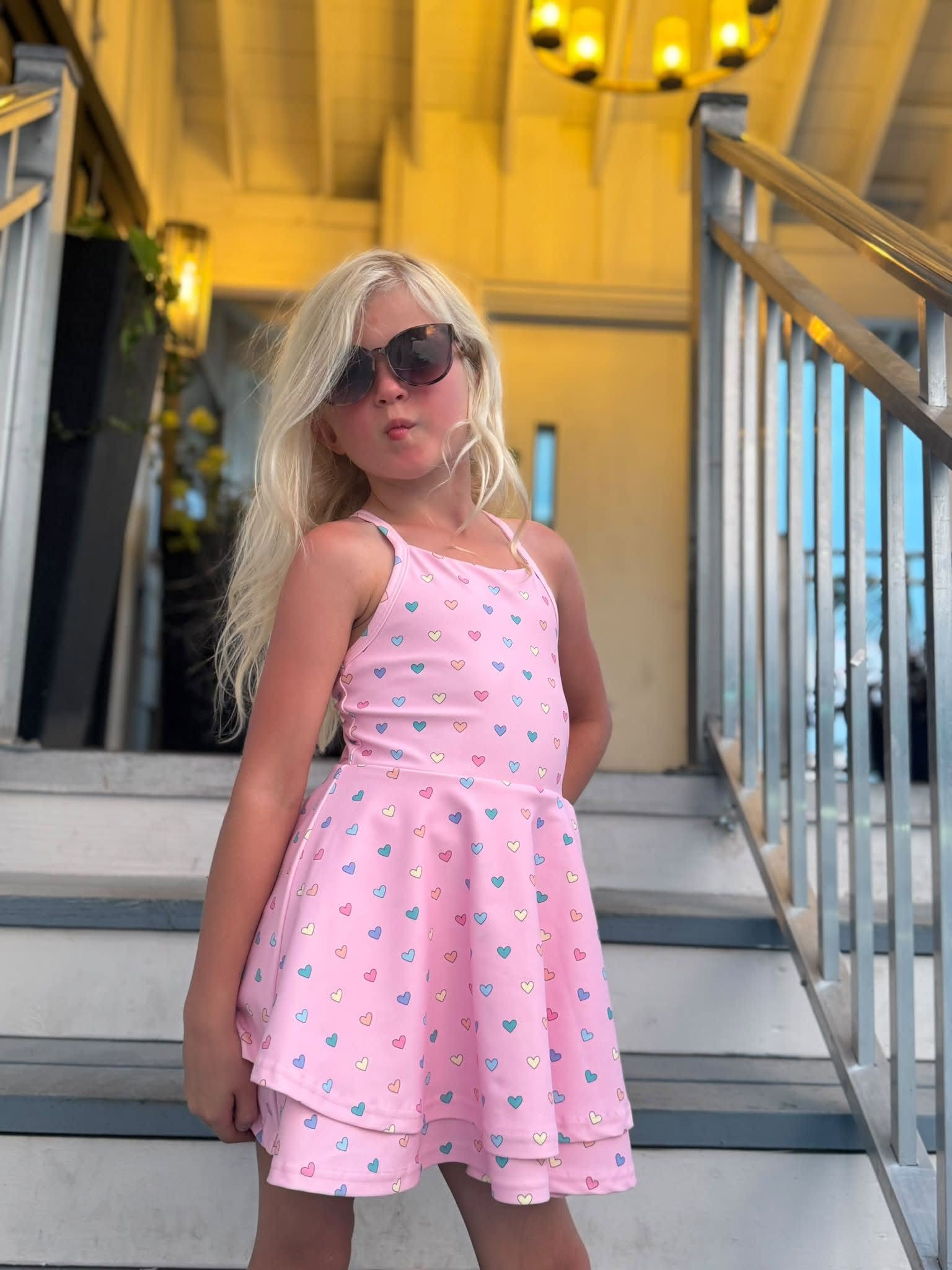
Lillian was described as a loving and happy child who frequently smiled and brought joy wherever she went.
That personality had made her a familiar and beloved presence in the Ruston community.
“She’s Just Always a Happy Child”
Patricia Willis, owner of The Children’s Shoppe & Peach Lemonade, described the young girl in words centered on her happiness.
“She’s just always a happy child. She’s just as happy a place she goes,” Patricia Willis said. “Every time you see her, she has a smile on her face.”
That memory has become especially important in the days following Lillian’s death.
Rather than remembering only hospital rooms and medical terminology, those closest to her are remembering the child who smiled when they saw her.
Her Story Carries Both Grief and an Important Warning
Lillian’s death naturally brings attention to Naegleria fowleri and the risks associated with warm freshwater exposure.
But the story is also about a family suddenly confronted with an unimaginable loss.
The medical details explain how she became ill.
They cannot fully describe who she was to her parents, relatives, friends, and community.
For those people, Lillian was not a case number.
She was an eight-year-old girl whose absence will be deeply felt.
The Rarity of the Infection Can Make Cases Especially Shocking
Most people can spend their lives swimming in freshwater without ever encountering Naegleria fowleri.
That is one reason cases can be so difficult for families to process.
The possibility may feel remote until a loved one becomes the person affected.
Lillian’s case was the first known infection recorded in Louisiana since 2013, according to state health officials.
That gap reflects how uncommon the disease is.
Warm Freshwater Is the Environment Associated With the Amoeba
The amoeba can occur naturally in warm freshwater.
Lakes, rivers, ponds, and canals are among the environments where it may be found.
The organism becomes dangerous when contaminated water travels through the nose and allows the amoeba to reach the brain.
Once infection develops, the illness can progress with devastating consequences.
The rarity of the disease has not prevented health authorities from taking individual cases seriously.
Lillian’s Case Was Closely Followed by Health Officials
Because Louisiana had not recorded a known infection in more than a decade, Lillian’s illness drew particular attention from state health officials.
The suspected connection to Lake Claiborne became an important part of understanding the circumstances surrounding the case.
For families hearing about the tragedy, the information also serves as a reminder to remain aware of how certain rare freshwater infections occur.
A Community Birthday Celebration Became a Show of Support
Even while Lillian remained hospitalized, the people around her refused to let her birthday pass unnoticed.
Six days after her admission, supporters gathered around the family.
The Love for Lillian fundraiser was more than a financial effort.
It represented a community trying to surround the Smart family during an experience that no parent expects to face.
The support reflected how deeply Lillian had touched the people who knew her.
Her Parents Faced the Loss Every Family Fears
Daniel and Rebecca Smart’s announcement captured the helplessness of parents who had watched doctors fight for their child.
Their words acknowledged that Lillian’s brain injuries had become too severe.
They also made clear that medical teams had done everything they could.
What remained afterward was grief.
Their statement that they did not know what to do next reflected the disorientation that can follow such an overwhelming loss.
Remembering the Child Beyond the Diagnosis
Public attention often focuses on unusual medical circumstances when a rare illness is involved.
In Lillian’s case, the phrase “brain-eating amoeba” immediately captures attention because the infection is both uncommon and frightening.
But her family and community have another story to tell.
It is the story of a child who smiled frequently.
A child whose happiness was noticed by the adults around her.
A child whose community came together when she became sick.
An Eight-Year Life Can Leave a Powerful Impact
Lillian was only eight years old.
Her life was far shorter than anyone who loved her could have imagined.
Yet the reaction to her hospitalization and death demonstrates how deeply even a young life can affect a community.
People gathered for her birthday.
They raised support for her family.
They shared memories of her joyful personality.
And after her death, those memories became part of the way people began honoring her.
The Medical Facts Are Important, but So Are the Memories
Understanding Naegleria fowleri can help explain what happened medically.
It is an extremely rare amoeba associated with warm freshwater.
It can cause primary amebic meningoencephalitis after contaminated water enters through the nose and reaches the brain.
The illness is nearly always fatal.
Those facts matter.
But they exist beside another truth: Lillian was much more than the infection that ended her life.
Her Smile Is What Many People Want to Remember
The description offered by Patricia Willis is simple but powerful.
Lillian was remembered as consistently happy.
People expected to see a smile when they saw her.
That is the image her community is holding onto.
Not an illness.
Not a hospital room.
Not statistics.
A smiling eight-year-old girl.
Lake Claiborne Became Connected to an Unthinkable Loss
For most families, a lake represents recreation, summer memories, and ordinary time together.
For the Smart family, Lake Claiborne is now connected to the suspected exposure that preceded Lillian’s illness.
Health officials believe that was the likely location where she encountered Naegleria fowleri.
The circumstances transformed something routine into something the family could never have anticipated.
The Case Is a Reminder of How Fragile Ordinary Moments Can Be
Nothing about a normal day of swimming suggests that a family will soon be facing a rare medical emergency.
That unpredictability is one of the reasons Lillian’s story has resonated so strongly.
Families understand how ordinary the beginning of the story sounds.
A child went swimming.
Days later, her parents were confronting an extraordinarily rare and devastating illness.
Support Continued Even When the Outcome Became Unthinkable
Throughout Lillian’s hospitalization, her family was not alone.
The Ruston community gathered around them.
The fundraiser and birthday gathering showed that people wanted to do something tangible during a situation in which so much was beyond anyone’s control.
After her death, that support became part of the grieving process.
Her Family’s Words Became a Final Public Tribute
Daniel and Rebecca Smart’s message was filled with pain, but it also centered their daughter rather than the disease.
Their announcement described the moment they lost her with deeply personal language.
“Last night Lillian ran from our arms to the arms of Jesus,” they wrote.
For the family, those words became a way to express a loss too large for ordinary language.
Lillian Leaves Behind More Than a Medical Warning
Her case may encourage families to learn more about rare freshwater infections.
It may lead parents to ask additional questions about water safety and how Naegleria fowleri infection occurs.
But the people who knew Lillian want her legacy to extend far beyond awareness of a disease.
They remember a child who brought happiness into rooms.
They remember her smile.
They remember a community coming together for her.
A Community Now Grieves Together
The same community that gathered while Lillian was hospitalized is now mourning alongside her family.
The hope that surrounded her birthday fundraiser has been replaced by sadness.
But the love behind that gathering remains.
It is visible in the memories being shared and in the determination to remember Lillian as the joyful child she was.
Remembering Lillian Smart
Lillian Smart was eight years old when her life ended after an exceptionally rare Naegleria fowleri infection.
Her illness was devastating, and her death has brought renewed attention to a disease that has affected only a very small number of people in the United States over many decades.
But statistics cannot measure what was lost.
To her parents, she was their daughter.
To those around her, she was the girl who seemed to carry a smile wherever she went.
Her Story Ends Far Too Soon
Lillian’s family entered the hospital hoping doctors could bring their daughter home.
Medical teams fought for her, but the damage to her brain became too severe.
Her parents were ultimately forced to share news no family should have to announce.
Now, the people who loved Lillian are left with memories, photographs, and the impact of a joyful young life that ended far too soon.
Her story carries an important message about a rare infection, but it also carries something more personal.
Behind every medical headline is a person.
For the Smart family and the Ruston community, that person was Lillian—a beloved eight-year-old girl remembered not for how she died, but for the happiness she brought while she was here.