
What Your Car’s Air Recirculation Button Really Does and When You Should Use It
The Small Dashboard Control That Changes Cabin Airflow
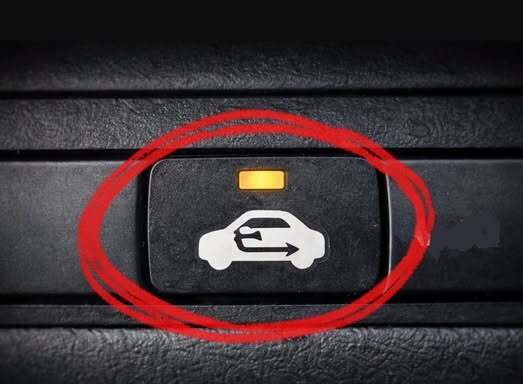
Among the many controls on a vehicle’s dashboard, the air recirculation button is one of the easiest to overlook. Its symbol usually shows a small car with a curved arrow moving around inside it, yet many drivers are unsure what happens after the button is pressed.
The feature controls where the vehicle’s ventilation system gets the air it sends into the cabin. When recirculation is turned off, the system brings in air from outside the vehicle.
When the button is activated, the ventilation system reduces the amount of outside air entering the cabin and begins reusing the air that is already inside. In practical terms, the feature temporarily creates a more enclosed environment for the driver and passengers.
This simple change can affect cabin temperature, comfort, outside odors, air-conditioning performance, and the way occupants feel during a journey. The feature can be highly useful, but it is not intended to remain active in every situation.
Why Recirculation Can Feel Like a Protective Bubble
Drivers regularly pass through areas where the outside air is unpleasant. A smoky vehicle may be directly ahead, traffic fumes may become noticeable, or a strong roadside odor may suddenly enter through the ventilation system.
Activating recirculation in these moments helps limit the amount of outside air being pulled into the cabin. Instead of continuously drawing from the road environment, the system reuses the air already circulating inside the car.
This is why the feature can feel like a temporary protective bubble. It does not change the conditions outside, but it can reduce how quickly those conditions affect the people inside the vehicle.
The button can be particularly useful when driving behind a truck producing noticeable smoke. It can also help while moving through polluted traffic or passing an area with an unpleasant smell.
Using the feature for a short period allows the vehicle to move beyond the problem before fresh outside air is brought into the cabin again. This makes recirculation a practical response to temporary road conditions rather than a control that must remain active throughout every trip.
How It Helps the Air Conditioner Cool the Cabin
Air recirculation is also useful during warm conditions because it can help the air-conditioning system cool the interior more efficiently. Once the cabin air has begun to cool, reusing that air is easier than repeatedly cooling warmer air entering from outside.
With recirculation active, the system continues working with air that has already been chilled. This can help the cabin reach a comfortable temperature more quickly and maintain that temperature with greater consistency.
The effect may be especially noticeable when the vehicle has been warm and the air conditioner is working to lower the interior temperature. After the cabin begins cooling, recirculation allows the system to continue cycling the cooler interior air.
This can make the passenger area feel more comfortable without requiring the system to handle a constant supply of warmer outside air. The cabin may also feel quieter and more stable because less outside airflow is entering through the ventilation system.
Improved cooling efficiency can slightly reduce fuel consumption because the air conditioner may not need to work as hard to maintain the selected temperature. The potential difference may be modest, but the feature can still support more efficient climate control when used correctly.
Why the Button Should Not Remain On Indefinitely
Although recirculation offers clear benefits, it is not designed to be treated as a permanent setting. The same enclosed airflow that blocks smoke, pollution, and unpleasant smells can become less comfortable when it continues for too long.
Every person inside the vehicle is breathing within the same limited space. As the air is repeatedly reused, carbon dioxide produced through normal breathing can gradually build up inside the cabin.
This increase may contribute to tiredness, mental fog, and reduced alertness. Those effects matter because driving requires steady attention, quick judgment, and the ability to respond to changing road conditions.
A cabin may remain physically cool while the driver still begins to feel sleepy or less focused. Comfortable temperature alone does not guarantee that the air inside remains ideal for a long journey.
For this reason, recirculation should be viewed as a temporary tool. It is valuable when a specific condition makes outside air undesirable, but fresh air should be allowed back into the vehicle after that condition has passed.
The Connection Between Cabin Air and Driver Alertness
One of the most important considerations is how the air inside the vehicle may influence the driver’s concentration. Drowsiness can develop gradually, and a driver may not immediately recognize that the cabin environment is contributing to the feeling.
When the same air continues circulating for an extended period, occupants may begin to feel less refreshed. The interior can become comfortable in temperature but increasingly stale in quality.
Switching back to the fresh-air setting allows the ventilation system to bring outside air into the cabin. This exchange can help prevent the enclosed atmosphere associated with prolonged recirculation.
On longer drives, alternating between recirculated air and fresh air can create a better balance. Recirculation can be used when needed for cooling or temporary protection, while fresh air can support alertness during the rest of the journey.
The button should therefore not be considered a simple comfort feature. Its use can influence the environment in which the driver must remain attentive for minutes or hours at a time.
Using Recirculation in Heavy Traffic
Heavy traffic presents a situation in which drivers may feel torn between outside pollution and the need for fresh air. Vehicles may be moving slowly, exhaust may be more noticeable, and the cabin may be surrounded by unpleasant road conditions.
Recirculation can be useful for short periods when smoke or strong odors are entering the car. It can temporarily reduce exposure to the air immediately surrounding the vehicle.
However, leaving it active throughout a long traffic delay can also cause the interior air to become stale. The better approach is to use the control strategically rather than leaving it untouched for the entire drive.
A driver can activate recirculation when directly behind a smoky truck or while passing through a particularly polluted area. Once the immediate problem is gone, returning to fresh-air mode helps renew the cabin atmosphere.
This pattern allows the feature to provide protection without turning the vehicle into a sealed space for an unnecessarily long period.
Passengers With Allergies or Breathing Concerns
Cabin airflow may require additional attention when a passenger has allergies or a respiratory issue. Recirculation can be helpful when the outside environment contains smoke, pollution, or a strong odor that causes discomfort.
At the same time, continuously reusing the same interior air may not be suitable for an extended journey. The needs of the people inside the vehicle should guide how often the setting is changed.
Short periods of recirculation can provide relief while the vehicle passes through an unpleasant area. Fresh air can then be restored when outside conditions improve.
The key is to avoid treating either mode as automatically correct in every circumstance. Both recirculation and fresh-air ventilation have useful roles, and the most appropriate choice can change during the same trip.
A Simple Strategy for Everyday Driving
Drivers do not need a complicated routine to use the recirculation button effectively. The easiest method is to think about what is happening both inside and outside the vehicle.
When smoke, pollution, or an unpleasant smell appears outside, turning recirculation on can help protect the cabin temporarily. When the air conditioner is cooling a warm interior, the setting can also help the system reuse air that is already becoming cooler.
After the vehicle has passed the outside problem, the control can be switched back to fresh air. The same change is useful during a long drive when the cabin begins to feel stale or when the driver notices increasing tiredness.
This approach turns the button into an active driving tool rather than a setting that is selected once and forgotten. A few deliberate changes during a journey may improve comfort while also supporting a fresher environment.
The feature is most effective when it responds to a specific need. It can block a temporary odor, reduce the entry of smoky air, help the cabin cool, and create a quieter atmosphere for a limited period.
Common Mistakes Drivers Make
One common mistake is never using recirculation at all. Drivers who ignore the button may allow smoke, traffic fumes, and strong odors to enter the cabin even when the feature could provide immediate relief.
Another mistake is leaving the control active for the entire journey. This may improve cooling and reduce outside smells, but the repeated reuse of cabin air can eventually contribute to drowsiness and reduced mental sharpness.
Some drivers may also assume that a cool cabin automatically contains fresh air. Temperature and air quality are separate concerns, and the interior can feel pleasantly chilled while still becoming stale.
The most balanced use falls between the two extremes. Recirculation should not be avoided completely, and it should not become the permanent default for every drive.
A Small Button With an Important Purpose
The air recirculation control may appear minor compared with the steering wheel, pedals, and other essential driving equipment. However, it plays a meaningful role in managing the air shared by everyone inside the vehicle.
Used at the right moment, it can reduce the entry of smoke, pollution, and unpleasant roadside smells. It can also help the air conditioner cool the cabin more efficiently by continuing to work with air that has already been chilled.
Used for too long, the feature may allow carbon dioxide to build up as occupants continue breathing inside an enclosed space. This can contribute to sleepiness, mental fog, and lower alertness during a drive.
The safest and most comfortable approach is to use recirculation in short, purposeful periods. Turn it on when outside air is temporarily undesirable or when faster cooling is needed, then restore fresh airflow when conditions allow.
That small symbol on the dashboard is more than a convenience button. It gives the driver direct control over whether the cabin draws from the road outside or reuses the air already within the vehicle.
Understanding that choice makes it easier to balance comfort, efficiency, protection, and alertness. Recirculation works best as an invisible shield that is raised when needed and lowered again once the air outside becomes suitable.