
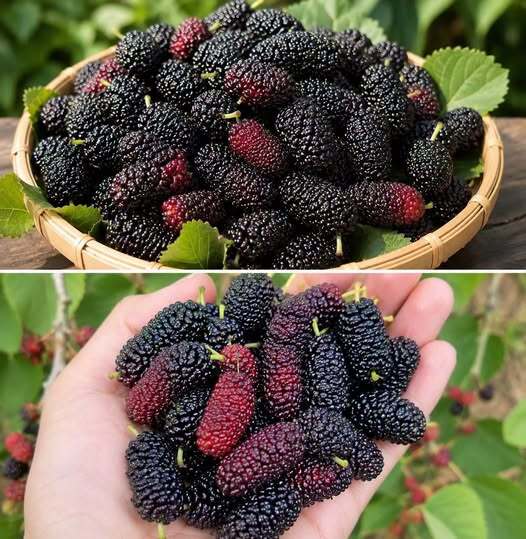
Mulberries May Support Blood Sugar, Heart Health, and Healthy Aging
These small, deeply colored berries contain fiber, vitamins, iron, and antioxidants, but moderation is important for people taking certain medications
Mulberries may look like ordinary berries, but their nutritional profile has attracted growing interest. Their sweet flavor and dark juice make them a familiar seasonal fruit, while their vitamins, fiber, minerals, and plant compounds give them potential value as part of a balanced diet.
The berries can range in color from pale white and red to deep purple or nearly black. The darker varieties are especially noticeable because their juice can quickly stain fingers, clothing, and kitchen surfaces.
Behind that intense color are natural pigments and antioxidants. These substances help protect the plant and may also support several functions in the human body.
Mulberries are not a cure for disease, and their possible health effects should not be exaggerated. However, their combination of fiber, vitamin C, iron, resveratrol, anthocyanins, and other plant compounds makes them an interesting addition to everyday meals.
A Small Fruit With a Varied Nutritional Profile
Fresh mulberries contain a mixture of water, natural sugars, fiber, vitamins, and minerals. Their sweetness makes them enjoyable on their own, while their nutritional content gives them more value than many processed desserts.
Vitamin C is one of their notable nutrients. The body uses this vitamin to support normal immune function, maintain connective tissues, and protect cells against oxidative stress.
Mulberries also contain iron, a mineral needed for the production of healthy red blood cells and the transportation of oxygen throughout the body. The amount received from a serving depends on the type of mulberry and whether it is fresh or dried.
Fiber is another important part of the fruit. It supports normal digestion, helps food move through the digestive system, and contributes to a feeling of fullness after eating.
The exact nutritional concentration changes when mulberries are dried. Removing water makes the fruit smaller and more calorie-dense, meaning a handful of dried berries may contain more sugar than the same volume of fresh fruit.
Antioxidants Help Protect Cells
Normal processes inside the body create unstable molecules commonly called free radicals. Environmental factors and daily habits can also increase the amount of oxidative stress placed on cells.
Antioxidants help the body manage this process. Mulberries provide several antioxidant compounds, including anthocyanins and resveratrol.
Anthocyanins are pigments responsible for many of the red, blue, and purple colors found in fruits. Dark mulberries generally contain more of these visible pigments than pale varieties.
Resveratrol is another plant compound associated with the fruit. It has become widely discussed because of its possible connection to cellular protection, inflammation, and cardiovascular health.
Eating antioxidant-rich foods does not create an immediate sensation inside the body. Their role is quieter, supporting natural protective processes over time as part of a varied diet.
No single antioxidant or fruit can completely prevent cellular damage. The greatest benefit is more likely to come from consistently eating a broad selection of fruits, vegetables, and other minimally processed foods.
Fiber Can Support Digestion
The digestive benefits of mulberries are largely connected to their fiber. Dietary fiber adds bulk to stool and can support regular bowel movements.
Fiber also interacts with the large community of microorganisms living in the digestive tract. A varied diet containing plant foods can help support a balanced intestinal environment.
People who do not regularly consume much fiber should increase their intake gradually. Eating a large quantity of mulberries at once may cause bloating, gas, or digestive discomfort in sensitive individuals.
Fresh berries also contain water, which works with fiber to support digestion. Dried mulberries contain less water and may need to be paired with adequate fluid intake.
Adding a modest serving to breakfast, yogurt, or oatmeal can be a simple way to increase fruit and fiber intake without dramatically changing a meal.
Vitamin C Supports the Body’s Defenses
Vitamin C contributes to the normal function of the immune system. It also supports collagen production, which is important for skin, blood vessels, cartilage, and other tissues.
The body cannot store unlimited amounts of vitamin C, so it needs to be obtained regularly from food. Mulberries can contribute to that intake alongside citrus fruits, peppers, tomatoes, and other produce.
Vitamin C also helps improve the absorption of certain forms of iron from plant foods. This pairing is notable because mulberries contain both vitamin C and iron.
However, people with iron deficiency should not depend on mulberries alone. Their nutritional needs may require a broader diet, medical testing, or treatment recommended by a qualified professional.
The berries are best viewed as one useful food within an overall eating pattern rather than as a substitute for individualized health care.
Mulberries and Blood Sugar
One of the most discussed areas of mulberry research involves blood sugar regulation. Interest is particularly strong around compounds found in mulberry leaves.
A substance known as DNJ may influence the way the digestive system breaks down certain carbohydrates. By slowing this process, it may reduce how quickly glucose enters the bloodstream after a meal.
This potential effect has encouraged the use of mulberry leaf tea and extracts in products marketed toward people concerned about glucose levels.
The whole fruit is not identical to a concentrated leaf product. Fresh and dried mulberries contain natural sugar, so serving size still matters, especially for someone closely monitoring carbohydrate intake.
Dried mulberries can be particularly easy to overeat. Because they are small and sweet, a person may consume several servings without realizing it.
Combining mulberries with protein, healthy fat, or other fiber-rich foods may create a more balanced meal than eating a large portion of dried fruit by itself.
Medication Interactions Require Caution
The possible blood sugar effect of mulberry leaf compounds is also the main reason some people need to be careful.
Someone who takes insulin or medication intended to lower blood glucose could experience an additional effect when using concentrated mulberry products. In some circumstances, glucose may fall lower than expected.
Fresh fruit consumed in ordinary food portions is different from a strong supplement or extract. Even so, individuals managing diabetes should pay attention to how new foods affect their readings.
Mulberry leaf supplements, powders, capsules, and concentrated teas should not automatically be treated as harmless simply because they come from a plant.
People using blood sugar medication should seek medical guidance before adding concentrated mulberry preparations to their routines. Medication doses should never be changed solely because someone has begun eating the fruit or drinking the tea.
Possible Benefits for Cholesterol and the Heart
Mulberries have also been linked with possible cardiovascular benefits. Their fiber and antioxidant compounds may support factors associated with long-term heart health.
Fiber can contribute to healthy cholesterol management when it is part of a balanced eating pattern. Antioxidants may help protect cells and blood vessels from ongoing oxidative stress.
Inflammation is another factor connected to cardiovascular health. Mulberries contain plant compounds that may help support the body’s normal inflammatory balance.
These possible benefits do not mean the berries can reverse heart disease or replace prescribed treatment. Blood pressure, cholesterol, activity level, sleep, smoking, family history, and overall diet all influence cardiovascular risk.
A bowl of fruit cannot cancel the effects of a consistently unhealthy lifestyle. Mulberries are most helpful when included in meals that already emphasize vegetables, whole grains, legumes, healthy fats, and appropriate portions.
Antioxidants May Support Brain Health
The brain is especially vulnerable to oxidative stress because it requires substantial energy and oxygen. This has led to interest in foods containing anthocyanins and other protective plant compounds.
Mulberries may contribute antioxidants that help defend cells against gradual damage. This possibility has encouraged discussion about their role in healthy aging and cognitive support.
Such protection is likely to be subtle rather than immediately noticeable. Eating berries will not suddenly improve memory or eliminate the risk of neurological disease.
Brain health depends on many factors, including physical activity, sleep, blood pressure, social engagement, education, and the overall quality of a person’s diet.
Mulberries can contribute to a nutrient-rich eating pattern, but they should not be promoted as a guaranteed method of preventing cognitive decline.
Potential Support for Aging Eyes
The pigments in dark fruits have also attracted attention for their possible relationship with eye health. Eye tissues face continual exposure to light and oxidative stress throughout life.
Antioxidants can support the body’s defense against this damage. The anthocyanins found in dark mulberries may contribute to that protective network.
Healthy vision also depends on other nutrients and habits. Regular eye examinations, sun protection, stable blood sugar, and a varied diet remain important.
Mulberries should therefore be viewed as one colorful source of plant nutrients rather than a treatment for impaired vision.
Fresh and Dried Mulberries Are Not the Same
Fresh mulberries are delicate and have a relatively short storage life. They may become soft quickly after harvesting, which is one reason dried versions are more widely available in some areas.
Fresh berries contain more water and generally provide a larger volume for fewer calories. Their natural sweetness can make them suitable for snacks, salads, yogurt, and breakfast dishes.
Dried mulberries are chewier, sweeter, and more concentrated. They can be mixed into oatmeal, granola, trail mixes, baked goods, or cereal.
The concentration means portion control becomes more important. A small amount of dried fruit can contain the sugar and calories of a much larger portion of fresh berries.
Some packaged products may also contain added sweeteners. Reading the ingredient list can help distinguish plain dried mulberries from products coated in sugar or syrup.
Mulberry Tea and Leaf Products
Mulberry leaves are commonly prepared as tea and are also used in powders and extracts. These products are different from the berries and may deliver higher amounts of certain active compounds.
The presence of DNJ in the leaves is a major reason they are associated with carbohydrate digestion and post-meal glucose responses.
A mild cup of tea may not have the same strength as a concentrated capsule. Product quality and dosage can also vary considerably.
Labels that describe a product as natural do not guarantee that it is appropriate for every person. Concentrated preparations may cause unwanted effects or interact with medication.
Anyone who is pregnant, breastfeeding, managing a chronic condition, or taking prescription drugs should be cautious with supplements and strong herbal preparations.
Simple Ways to Eat Mulberries
Fresh mulberries can be rinsed gently and eaten on their own. Because the fruit is soft, vigorous washing may crush it.
They can also be added to plain yogurt with nuts or seeds. This combination provides protein, fat, fiber, and natural sweetness in one meal.
A small handful can be mixed into oatmeal or another whole-grain breakfast. Fresh berries may soften into the warm cereal, while dried ones add a chewy texture.
Mulberries can also be blended into smoothies, although consuming whole fruit preserves more of the natural texture and may encourage slower eating.
In salads, dark berries create a sweet contrast with leafy greens, grains, cheese, or nuts. They can also be used in sauces, preserves, and baked dishes.
The healthiest preparation is often the simplest one. Heavy amounts of added sugar can reduce the advantage of choosing a naturally nutrient-rich fruit.
Moderation Remains Important
Mulberries are nutritious, but eating more does not always produce greater benefit. Large quantities may increase sugar intake or cause digestive discomfort.
People who are sensitive to fruit sugars may need smaller servings. Those tracking blood glucose should consider the total carbohydrate content of the meal.
Allergic reactions are also possible with almost any food, although not everyone experiences them. A person who develops swelling, breathing difficulty, or another severe reaction after eating a new food should seek urgent assistance.
Concentrated supplements deserve additional caution because they may deliver much larger doses of plant compounds than a normal serving of berries.
A Helpful Fruit, Not a Miracle Treatment
Mulberries offer several qualities that make them worth considering. They contain fiber, vitamin C, iron, and antioxidant pigments, while their leaves provide compounds being examined for effects on carbohydrate digestion.
The fruit may support digestion, cellular protection, immune function, and a heart-conscious eating pattern. Its antioxidants may also contribute to the long-term protection of brain and eye tissues.
However, these possible benefits should remain in perspective. Mulberries cannot replace medical treatment, prescribed medication, or the broader habits needed to protect long-term health.
They are best enjoyed as part of a varied diet and in sensible portions. Fresh berries, modest amounts of dried fruit, and carefully selected teas can all be practical options.
For most people, mulberries can be a flavorful way to add more plant foods to daily meals. For those taking blood sugar medication or considering concentrated leaf products, professional guidance is especially important.
Their appearance may be delicate, but mulberries contain an impressive collection of nutrients and plant compounds. Used thoughtfully, they can become a small but valuable part of a balanced lifestyle.