
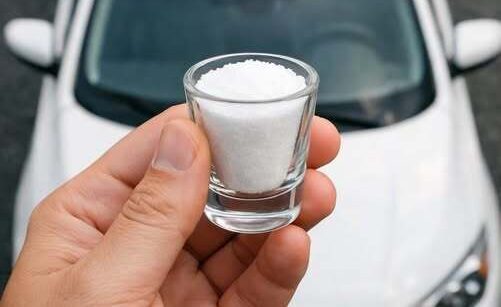
How a Simple Cup of Salt May Help Reduce Dampness and Fog Inside Your Car
Why Moisture Inside a Car Becomes More Than a Minor Annoyance
Stepping into a car with fogged windows can turn an ordinary morning into a frustrating and potentially unsafe experience. The glass appears cloudy, the cabin feels damp, and an unpleasant stale odor may linger in the air.
Many drivers immediately wipe the windshield or turn the heater and ventilation system to the highest setting. Although these actions can temporarily clear the glass, the mist may return if excess moisture remains trapped inside the vehicle.
This recurring condensation is not simply an inconvenience. Clear visibility is essential when driving, especially at higher speeds, in heavy traffic, or during dark and rainy conditions.
When the windshield, side windows, or rear glass repeatedly fog from the inside, the driver may have difficulty seeing other vehicles, road signs, pedestrians, and changing traffic conditions. Even a brief delay in clearing the glass can create unnecessary stress before a journey begins.
How Interior Fog Develops
Fog forms when moisture in the air settles on a cooler surface. Inside a vehicle, warm and humid cabin air can come into contact with cold windows, causing tiny droplets to appear across the glass.
The moisture may enter the car in several ordinary ways. Wet shoes, damp clothing, rain-covered umbrellas, snow, and water carried inside on floor mats can all add humidity to the cabin.
Even normal breathing releases moisture into the air. When several people sit inside a closed vehicle, especially during colder weather, the amount of humidity can rise quickly.
If that damp air has nowhere to escape, it remains inside the cabin. Once the temperature of the windows falls, the trapped moisture condenses and creates the familiar layer of mist that blocks visibility.
Wiping the glass removes the droplets that have already formed, but it does not necessarily remove the humidity that caused them. This explains why fog can return only minutes after the windshield has been cleaned.
The Simple Salt Method
One inexpensive approach involves placing a cup of ordinary table salt inside the vehicle. Salt naturally attracts and holds moisture, allowing it to absorb some of the dampness present in the surrounding air.
The method does not require electricity, wiring, installation, or a specialized product. It uses a common kitchen ingredient that many households already have available.
The salt should be placed in a stable container and positioned where it is unlikely to tip during normal use of the vehicle. A secure cup holder or another flat, protected area can help prevent spills.
Once positioned, the salt remains inside the car and gradually interacts with the humid air. The goal is to reduce the amount of moisture available to settle on the cold glass.
This is not an instant replacement for wiping the windows or using the car’s heater and ventilation system when visibility is already blocked. Instead, it is a passive method intended to address the damp conditions that contribute to repeated fogging.
Why Lower Humidity Can Make a Difference
A vehicle with less moisture in its interior air may be less likely to develop heavy condensation. When there is less water vapor inside the cabin, fewer droplets are available to collect on the windows.
Lower humidity may also help the windshield clear more quickly when the heater or ventilation system is activated. Rather than repeatedly fighting a large amount of trapped moisture, the system may have less damp air to manage.
The approach is especially simple because it continues working while the vehicle is parked. The salt can remain in place overnight, during working hours, or while the car is not being used.
Drivers do not need to operate a device or remember to switch anything on. The process is silent and requires little attention beyond checking the container and replacing the salt when it becomes damp or clumped.
Addressing the Stale Smell of a Damp Cabin
Excess moisture can affect more than the windows. A consistently damp car may begin to develop a sour or basement-like odor that becomes noticeable as soon as the doors are opened.
Soft materials such as carpeting, floor mats, fabric seats, and interior lining can hold moisture for long periods. If these surfaces do not dry properly, the smell may remain even after the visible water has disappeared.
Reducing humidity can make the interior feel fresher and less clammy. A drier environment gives moisture fewer opportunities to settle into fabrics and remain hidden beneath mats or seats.
Salt does not perfume the cabin or cover odors with fragrance. Its purpose is to absorb moisture, addressing one of the conditions that can allow stale smells to persist.
The method is therefore different from using an air freshener. A scented product may temporarily change the smell of the interior, while a moisture absorber focuses on the dampness contributing to the problem.
Other Simple Materials That Follow the Same Principle
Salt is not the only everyday material that can be used to reduce moisture inside a vehicle. Other options work through the same basic idea of absorbing dampness from the cabin.
Crumpled newspaper placed on the floor can collect moisture from wet surfaces and humid air. It may be particularly useful when rainwater or damp footwear has left the floor area feeling wet.
The paper should be removed and replaced after it becomes damp. Leaving soaked newspaper inside the car would keep moisture in the cabin rather than helping it dry.
Silica gel packets offer another compact option. These small packets are designed to absorb moisture and can be placed in cup holders, storage compartments, or door pockets.
Using several packets in different parts of the cabin may help target areas where dampness tends to collect. As with salt, they should be checked periodically and replaced when they are no longer effective.
Choosing a Safe Location for the Container
Any loose object inside a moving vehicle should be positioned carefully. A cup of salt must not be placed where it could slide, fall near the pedals, block controls, or distract the driver.
A container with a wide base is more stable than a narrow or top-heavy cup. Keeping it in a secure cup holder can reduce the likelihood of tipping during turns or sudden braking.
The container should also be kept away from children and pets traveling in the vehicle. Although table salt is an ordinary household product, an open cup can create a mess if disturbed.
Drivers may choose to cover the container with a breathable material that allows moisture to enter while helping keep the salt from spilling. The covering should remain securely attached and should not prevent air from reaching the contents.
Before driving, it is sensible to confirm that the container remains stable. A moisture-control method should never create a new safety concern inside the cabin.
When the Salt Needs to Be Replaced
As salt absorbs moisture, its texture may change. It can begin to clump, harden, or feel noticeably damp.
These changes indicate that the salt has collected water from the surrounding air. Once it becomes heavily saturated, replacing it with a fresh portion can help maintain its usefulness.
The replacement schedule will vary depending on how damp the vehicle is. A car exposed to frequent rain, wet clothing, or moisture-covered floor mats may require more frequent changes.
A vehicle with only occasional condensation may allow the same salt to remain effective for a longer period. Regular visual checks are usually enough to determine when a fresh cup is needed.
Any damp salt should be removed carefully to avoid spilling it on seats, carpets, or electronic controls. The container can then be dried before it is refilled.
Reducing Moisture at Its Source
Absorbing moisture can help, but preventing unnecessary water from entering the cabin is equally important. Small habits can reduce the amount of humidity trapped inside the car.
Wet umbrellas can be shaken off before they are placed inside. Damp coats, towels, and clothing should not be left in the vehicle longer than necessary.
Floor mats should be checked after heavy rain or snow. If they are soaked, removing and drying them can prevent the water from slowly evaporating into the cabin air.
Crumpled newspaper can assist with temporary dampness, but it should not remain after becoming wet. Replacing saturated material prevents the absorbed water from staying inside the vehicle.
Keeping the interior reasonably clean and dry supports the same goal as the salt method. Every source of moisture removed from the cabin gives condensation fewer opportunities to develop.
Clear Glass Remains the Immediate Priority
A cup of salt is a gradual moisture-control measure, not an immediate solution when the windshield is already covered in fog. Drivers should never begin moving until the glass provides a clear view of the road.
The heater, ventilation system, and windshield controls remain important for clearing condensation before and during a journey. Wiping the inside of the glass may also be necessary when fog is severe.
Any method that reduces humidity should be viewed as support for these direct actions. Its value comes from helping create a drier cabin where heavy fog may form less frequently or return less quickly.
Visibility should be checked through the windshield, rear glass, and side windows before the vehicle is driven. Partially cleared glass can still leave dangerous blind areas.
A Small Habit With Practical Benefits
Placing salt in a car may initially seem unusual, but the idea is based on a straightforward principle. Moisture contributes to interior fog, damp fabrics, and stale odors, while absorbent materials can help remove some of that moisture from the air.
The method is inexpensive, quiet, and simple to test. It does not require a complicated setup, and the necessary ingredient is widely available.
Newspaper and silica gel packets can serve a similar purpose for drivers who prefer a different option. Each method focuses on reducing humidity rather than repeatedly dealing only with the visible condensation left behind.
No single cup can control every source of water inside a vehicle, especially when carpets or seats are heavily soaked. However, combining a moisture absorber with dry floor mats, proper ventilation, and the removal of wet items can make the cabin more comfortable.
A small change in routine may help transform foggy, unpleasant mornings into a more manageable experience. By limiting trapped moisture, drivers may enjoy clearer windows, drier surfaces, and an interior that feels fresher when they open the door.