
Ellen Burstyn’s Remarkable Journey Through Fame, Personal Trauma, and Lasting Success
A Hollywood Career Built Across More Than Six Decades
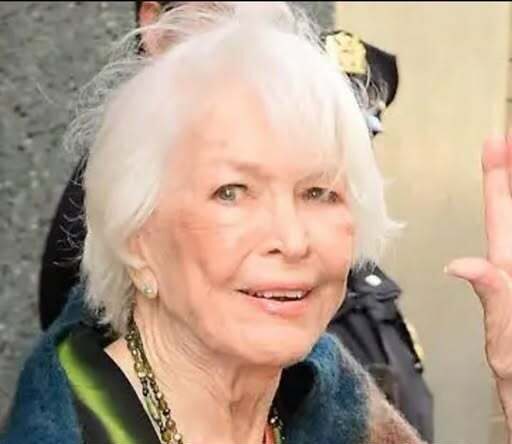
At 92, Ellen Burstyn remains one of the entertainment industry’s most admired and enduring performers. Her career has stretched across more than six decades, bringing her recognition for emotionally powerful work in film, television, and theater.
Generations of viewers know her from celebrated productions including The Exorcist, Alice Doesn’t Live Here Anymore, and Requiem for a Dream. Behind those memorable performances, however, is a life shaped by difficult beginnings, painful relationships, personal loss, and a determination to keep moving forward.
Burstyn’s professional accomplishments place her among a select group of actors who have achieved success in every major area of dramatic performance. Yet the strength visible in her work was developed through experiences that were often far more challenging than the characters she portrayed.
A Difficult Childhood in Detroit
Ellen Burstyn was born Edna Rae Gillooly on December 7, 1932, in Detroit, Michigan. Her early home life was unstable, particularly after her parents divorced.
She and her two brothers were raised by their mother and stepfather. Burstyn later characterized the household as unhappy and difficult, explaining that she grew up without feeling a strong sense of belonging.
Those childhood experiences created an early desire for independence. She decided that she would leave the family home as soon as she reached adulthood and began imagining a life beyond the environment in which she had been raised.
At 18, Burstyn followed through on that promise. She left school during her senior year and began trying to support herself while searching for a new direction.
Surviving Before Fame Arrived
Before becoming an actress, Burstyn worked as a dancer under the professional name Kerri Flynn. She later found work as a model, beginning a long process of reinvention that would eventually lead her to Hollywood.
Her early years away from home were financially difficult. Employment was uncertain, and she did not always have enough money to pay for basic necessities.
Burstyn later disclosed that she sometimes accepted dinner invitations because the meal offered during the date might be the only food available to her that day. The experience reflected how precarious her life remained before her career began to develop.
She also attempted to reconnect with her biological father while she was still a young woman. Instead of finding the supportive relationship she had hoped for, she encountered behavior that ended any possibility of forming a healthy father-daughter bond.
The disappointment added another emotional wound to a childhood already marked by instability and disconnection. Rather than returning to the past, Burstyn continued building a new identity for herself.
Reinventing Herself for the Stage and Screen
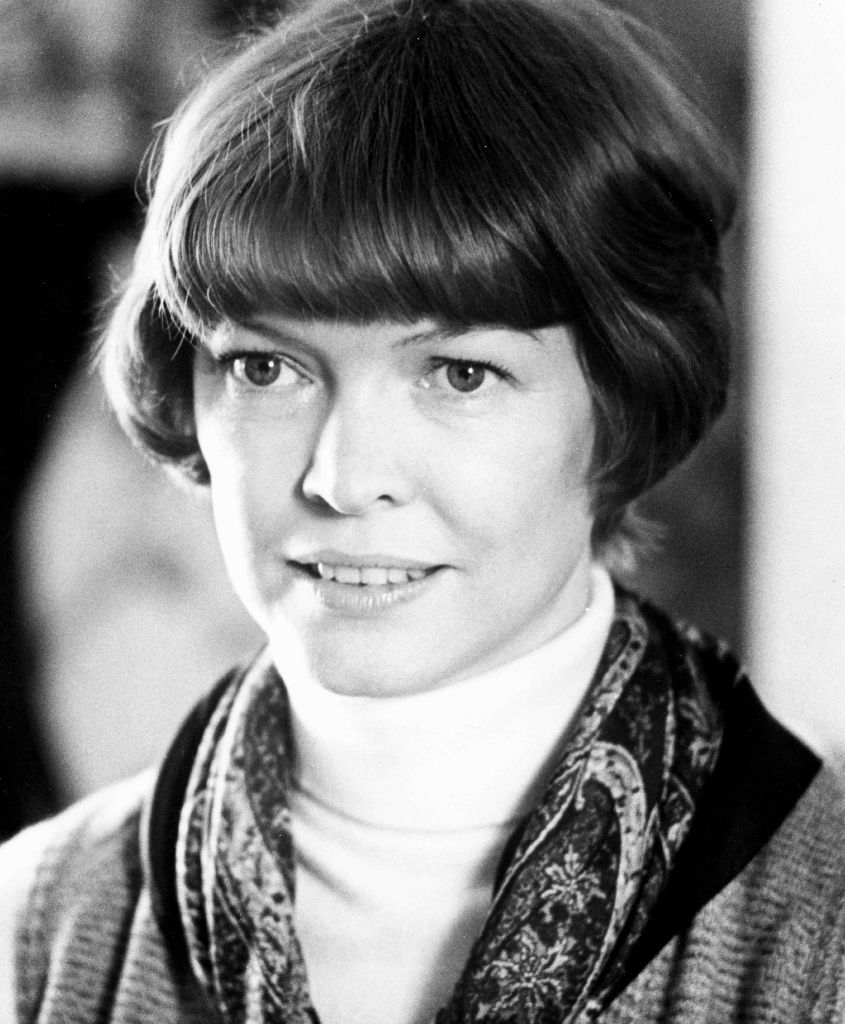
Burstyn performed under several professional names during the early stages of her career. By the late 1960s, she had settled on Ellen Burstyn, the name that would eventually become associated with some of the most respected performances in American film.
Her appearance in Tropic of Cancer helped open an important door. Director Paul Mazursky subsequently cast her in Alex in Wonderland, giving her career additional momentum.
Her work soon began attracting serious attention. A performance in The Last Picture Show brought widespread praise and resulted in her first Academy Award nomination.
The recognition established Burstyn as an actress capable of portraying complicated characters with emotional honesty. It also prepared the way for one of the most famous roles of her career.
The Physical Cost of Making The Exorcist
In 1973, Burstyn appeared as Chris MacNeil in The Exorcist. The horror film became a defining production of its era and introduced her work to an enormous international audience.
The role required Burstyn to portray a mother confronting a terrifying transformation in her daughter. Her performance gave the story much of its emotional intensity, grounding the supernatural events in a parent’s fear and desperation.
Production was physically demanding. During a particularly intense scene, Burstyn was attached to a stunt harness designed to pull her backward.
The force used during the take was much stronger than she expected. She was thrown violently and fractured her coccyx, creating real pain that was captured by the camera.
The scream included in the finished scene was not simply part of her performance. It came from the genuine injury she suffered at that moment.
Filming continued through a demanding schedule that lasted for many months. The long days and physical strain made the production an exhausting experience for the cast.
Burstyn later acknowledged that she had not anticipated the extraordinary response the movie would receive. Its release created a major cultural phenomenon and permanently connected her name with one of cinema’s most recognizable horror films.
An Academy Award for a Story of Reinvention
Only one year after The Exorcist, Burstyn delivered another major performance in Martin Scorsese’s Alice Doesn’t Live Here Anymore. She played a widowed mother attempting to rebuild her life while pursuing independence and a new beginning.
The character’s determination had personal meaning for Burstyn. She understood the desire to escape difficult circumstances, create a new identity, and establish a life based on personal choice rather than fear.
Her performance earned the Academy Award for Best Actress. The honor confirmed her position as one of the leading dramatic performers of her generation.
Success continued in the theater. Burstyn won a Tony Award for her work in Same Time, Next Year, demonstrating that her abilities extended far beyond film.
She later received multiple Emmy Awards for her television performances. With an Oscar, an Emmy, and a Tony, she became part of the exclusive group of performers recognized with the Triple Crown of Acting.
A Private Life Marked by Regret and Loss
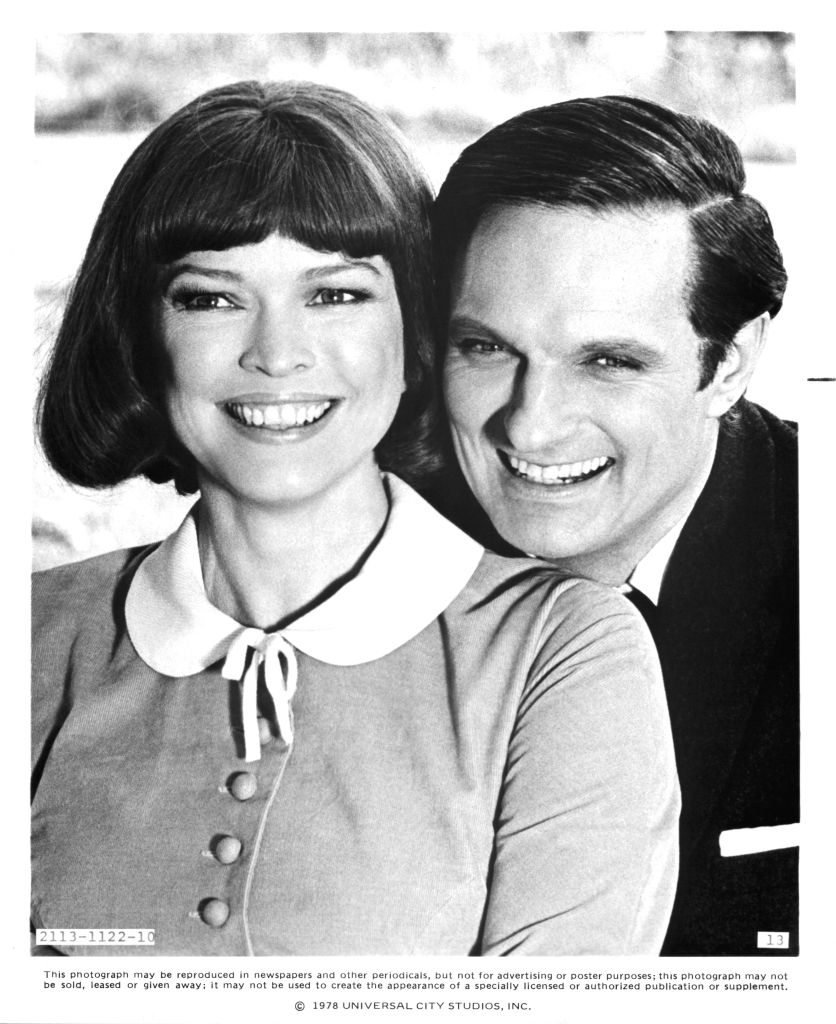
While Burstyn’s professional life was reaching remarkable heights, her personal history contained experiences that caused lasting pain. One of the most difficult occurred when she was only 18.
Shortly after marrying her first husband, Bill Alexander, Burstyn underwent an illegal abortion while approximately five months pregnant. Raised in the Catholic faith, she later described the decision as one of the deepest regrets of her life.
The procedure also caused severe physical complications. Burstyn eventually revealed that the damage left her unable to become pregnant again.
Her marriage to Alexander did not last. A second marriage also ended in divorce, although she and her husband adopted a son named Jefferson.
Motherhood became an important part of her life, but the end of her second marriage was followed by a relationship that would become even more traumatic.
The Darkest Marriage of Her Life
Burstyn’s third husband was actor Neil Nephew, who later became known as Neil Burstyn. At the beginning of the relationship, she saw him as charming, intelligent, creative, and talented.
Over time, his schizophrenia grew increasingly severe. Their marriage became defined by emotional abuse, violence, instability, and fear.
Burstyn eventually left the relationship, hoping separation and divorce would bring the ordeal to an end. Instead, Neil continued stalking her for years.
In her memoir, she disclosed that he had sexually assaulted her during their marriage. At the time, marital rape was not legally recognized as a criminal offense, leaving her without the protections that would exist under later laws.
The stalking and threats continued after the relationship ended. Burstyn sought assistance from police after receiving death threats, but she recalled being told that officers would not become involved in a domestic conflict unless a crime had already occurred.
The response left her feeling unprotected and abandoned. She was forced to live with the knowledge that the person threatening her could not be stopped through the system from which she had requested help.
Neil’s mental condition continued to deteriorate. He died by suicide in 1978.
Burstyn eventually understood that she had not caused his illness and could not have controlled its progression. Even so, she carried feelings of guilt for years after his death.
Finding Compassion for Her Mother
The trauma Burstyn experienced as an adult also changed her understanding of her childhood. Her relationship with her mother had long been strained, and resentment from those early years remained with her for decades.
As Burstyn examined her own pain, she began recognizing that her mother had also endured significant suffering. That realization allowed her to view the past with greater compassion.
Her anger gradually softened. She later expressed a wish that she could have one more conversation with her mother, reflecting how much her perspective had changed over time.
The shift did not erase what had happened during Burstyn’s childhood. Instead, it allowed her to recognize the complicated experiences that can shape family relationships across generations.
Choosing Healing Instead of Another Marriage
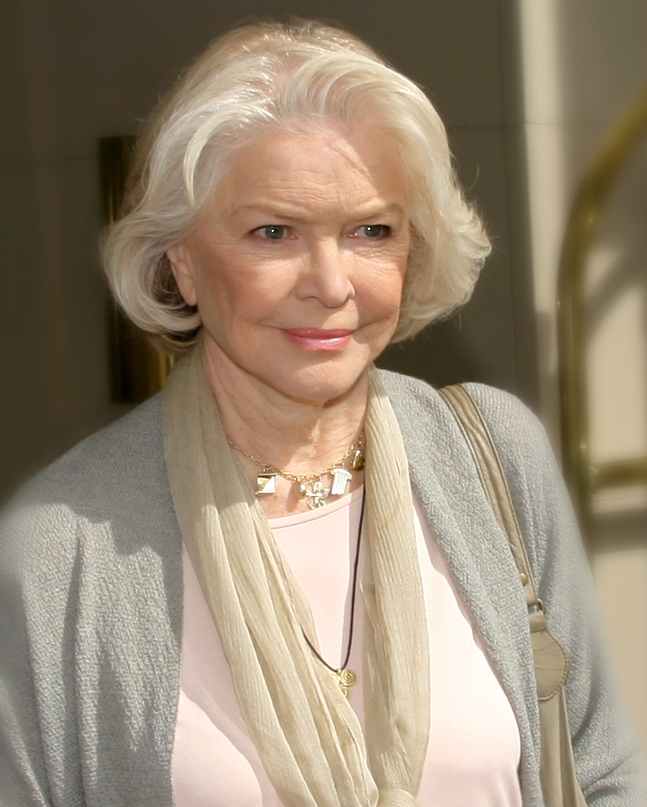
After Neil’s death, Burstyn decided not to marry again. She turned her attention toward understanding herself rather than searching for another romantic relationship.
Therapy became an important part of that process. Meditation and continued personal development also helped her confront painful memories and create a more stable life.
Her approach to healing was gradual rather than immediate. She worked through grief, guilt, fear, and regret while maintaining the demanding responsibilities of an acting career.
Instead of allowing past experiences to end her ambitions, she used them to deepen her understanding of human emotion. That emotional insight became visible in the honesty and complexity of her later performances.
Continuing to Work Into Her Nineties
Burstyn’s career remained active long after many performers of her generation had retired. She continued receiving acclaim through appearances in productions such as Big Love, The Handmaid’s Tale, and Law & Order.
Her later work demonstrated that age had not weakened her ability to command attention on screen. She continued portraying characters with authority, vulnerability, intelligence, and emotional depth.
Burstyn has spoken humorously about avoiding some of the ageism frequently associated with Hollywood. Rather than disappearing from the industry, she continued finding substantial roles well into her nineties.
She lives in New York City in a home overlooking Central Park. Daily walks and an active routine remain part of her lifestyle.
Her longevity has not been attributed to a single extraordinary method. Burstyn has maintained a lifelong vegetarian diet, remained committed to personal development, and tried to approach life with optimism.
Reflections on Hollywood’s Creative Era
Looking back across her career, Burstyn has often described the 1970s as a creative high point for Hollywood. She remembers a period when filmmakers placed exceptional value on storytelling and artistic exploration.
That decade produced several of her most important roles. It also gave her the opportunity to work on films that examined fear, independence, family, identity, and survival in ways that continued to resonate with audiences.
Burstyn’s career developed alongside major changes in the entertainment industry. Through each stage, she adapted without abandoning the emotional honesty that had become central to her work.
Her performances rarely depended on glamour alone. They were built around people confronting difficult choices, painful transitions, and the challenge of beginning again.
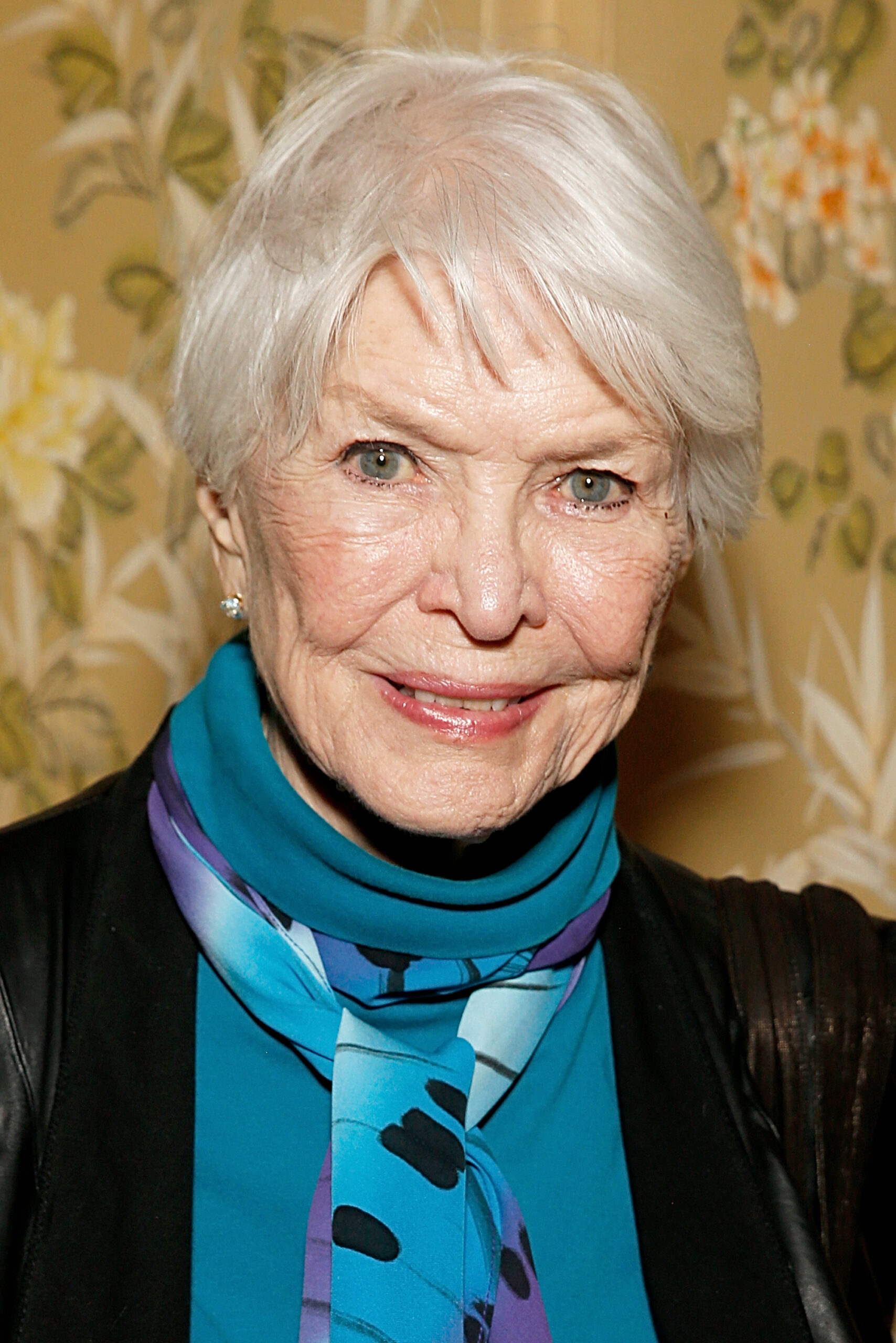
A Legacy Defined by Perseverance
Ellen Burstyn’s life cannot be measured only through awards, nominations, or famous roles. Her lasting legacy also comes from the determination required to survive experiences that repeatedly threatened her sense of security and belonging.
She emerged from an unstable childhood, supported herself through financially desperate years, and overcame painful disappointments within her family. She lived through reproductive loss, abusive relationships, stalking, threats, and the suicide of a former husband.
Those events left scars, regrets, and unanswered questions. Yet Burstyn refused to allow them to become the final definition of her life.
She continued working, learning, and rebuilding. Through therapy, meditation, compassion, and sustained personal effort, she transformed survival into growth.
Her artistic achievements remain extraordinary. An Academy Award, Tony Award, multiple Emmy Awards, and decades of respected performances have secured her place in entertainment history.
Beyond those honors stands a woman whose greatest accomplishment may be her ability to endure without losing her curiosity, creativity, or hope. Ellen Burstyn’s story remains an example of how pain can coexist with achievement and how a difficult past does not have to determine the future.