
Why the Upside-Down Glass Sink Hack Is Not the Best Way to Protect Your Drains While Traveling
A Viral Travel Trick Raises a Real Plumbing Concern
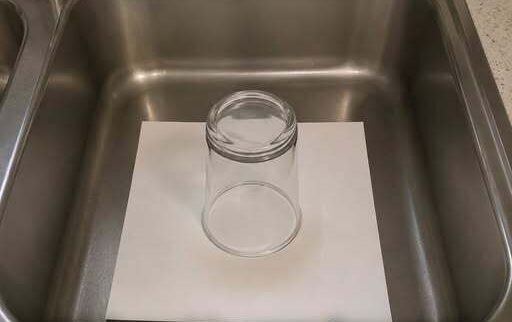
A strange vacation preparation hack has been circulating online, and it involves placing a sheet of paper over a sink drain and covering it with an upside-down glass before leaving town.
The idea behind the setup is simple. People claim it can help stop sewer odors and unwanted insects from entering the home through the drain while the house is empty.
At first glance, the trick seems harmless and even clever. Many homeowners like easy travel-prep ideas, especially when they promise to keep the house smelling fresh and protected during a trip.
But while the concern behind the hack is real, the method itself is not especially dependable. The real issue has less to do with a glass in the sink and more to do with the way your plumbing is designed to block smells and pests in the first place.
The Real Reason Drains Can Smell Bad
Every sink, shower, tub, and many floor drains in a home are connected to a curved section of pipe known as a P-trap.
This curved pipe is usually shaped like a U or a deep bend beneath the drain. Many people think its main purpose is to catch small items, hair, or debris before they disappear deeper into the plumbing system.
While it can sometimes catch dropped objects, that is not its most important job. The main purpose of the P-trap is to hold water.
That small amount of water creates a barrier between the inside of your home and the sewer system outside. This barrier is commonly known as the water seal.
As long as the P-trap contains water, sewer gases and odors have a harder time moving up through the drain and into the living space.
The water seal also helps reduce the chance of insects or other unwanted pests traveling through the drain opening. In other words, the P-trap is a simple but important line of defense.
Why the Water Seal Matters
The water inside a P-trap may not seem important because it stays hidden beneath the sink or inside the plumbing system.
However, that small pool of water performs a major protective function every day. It helps keep the air inside the home separate from the air and gases in the sewer line.
If that water disappears, the protective barrier disappears with it. Once the trap dries out, odors from the plumbing system can move more easily through the drain.
This is why some unused bathrooms, laundry areas, basement drains, or spare sinks may develop unpleasant smells after sitting dry for a long time.
The issue is not that the drain is dirty in the usual sense. The problem is that the water seal has weakened or vanished because the drain has not been used often enough.
Why People Think the Paper and Glass Trick Helps
The viral paper-and-glass hack is based on a legitimate plumbing idea. If a drain is covered, evaporation may slow down, and the opening may be partially blocked.
In theory, covering the drain could help reduce the chance that odors or insects enter the home if the trap water dries out.
That is why the idea sounds believable. It appears to be a simple way to add a temporary barrier over the drain before leaving for a vacation.
But the problem is not the basic concept. The problem is the way the hack is usually shown.
A loose sheet of paper and an upside-down glass resting in the sink basin are not the same as a proper seal. Unless the glass fits tightly over the drain opening, the setup may do very little.
Why the Hack Falls Short
For the paper-and-glass method to work reliably, the upside-down glass would need to form a tight seal directly over the drain.
Most glasses are not shaped to seal against a sink basin. They may rest unevenly, leave gaps, or shift slightly without anyone noticing.
If air can still pass around the glass, then odors may also pass around it. That means the setup is more decorative than protective.
The sheet of paper adds another weakness. Moisture in the air can make paper damp, soft, or misshapen.
Once the paper becomes soggy, it is even less likely to help form any kind of useful barrier. It may also look unpleasant by the time the homeowner returns.
Another problem is stability. A small bump, vibration, or slight movement near the sink could knock the glass out of position.
Because the setup depends entirely on balance rather than a secure seal, it cannot be considered a reliable way to prepare drains before a long trip.
When P-Traps Are Most Likely to Dry Out
For most short trips, homeowners do not need to panic about dry P-traps.
A weekend getaway or a brief business trip is usually not long enough for the water inside the traps to fully evaporate.
In many cases, P-traps can stay sealed for at least a couple of weeks, and sometimes longer, depending on the conditions in the home.
However, certain situations can cause water to evaporate more quickly. Heat, dry air, strong ventilation, and steady airflow can all speed up the process.
Some drains are also more vulnerable than others. Basement floor drains, laundry room standpipes, and drains in spare bathrooms may dry out faster because they are used less often.
The issue is most likely to appear during longer absences, especially trips lasting three weeks or more.
It can also happen in areas of the home where water rarely runs through the drain, even if the homeowner is not traveling.
The Better Way to Prepare Drains Before Traveling
Instead of relying on a loose glass and damp paper, the better approach is to prepare the drain system directly.
The first step is to make sure every P-trap in the home is filled with water before leaving.
Run water through each sink, shower, and bathtub for about 10 to 20 seconds. This helps refill the trap and restore the water seal.
It is also important not to forget less obvious drains. Laundry drains and floor drains should be included if the home has them.
Toilets should also be flushed once before departure. This helps ensure the plumbing fixtures are left in a normal, ready condition.
This simple step is usually more useful than balancing objects over a sink. The goal is to protect the system at the point where the real barrier already exists.
How to Seal Drains Properly
If the trip will be longer, sealing the drain openings can add another layer of protection.
The easiest option is to use the drain’s existing stopper if the sink, tub, or basin already has one. Closing the stopper creates a better barrier than a loose glass.
A sink plug or rubber stopper that fits tightly can also work well. The key is that it should sit securely and limit airflow through the drain opening.
Silicone drain covers are another useful option because they are reusable, simple to place, and designed to create a better seal.
In a pinch, plastic wrap or painter’s tape can help cover a drain opening temporarily. These options are not fancy, but they can be more effective than a glass that does not seal.
The purpose of sealing the drain is twofold. It can help slow evaporation, and it can also create a physical barrier if the water inside the P-trap eventually drops too low.
Why Mineral Oil Can Help on Longer Trips
For longer absences, another useful plumbing trick involves mineral oil.
After running water through the drain to refill the P-trap, a small amount of mineral oil can be added to the drain.
About a tablespoon is enough for this purpose. The mineral oil floats on top of the water in the trap and helps slow evaporation.
This can be especially useful for drains that are rarely used or for homes that will sit empty for an extended period.
It is important to use mineral oil, not cooking oil. Cooking oil can become rancid and may contribute to unpleasant smells or buildup inside the pipes.
Mineral oil is used because it is more stable and does not behave the same way as kitchen oils.
Other Plumbing Steps Before Leaving Town
Drain preparation is only one part of getting a home ready before a trip.
Emptying the trash before leaving can help reduce odors that might be mistaken for plumbing smells when returning home.
Cleaning the garbage disposal is also a practical step. Food residue left inside the disposal can create unpleasant odors over time.
For homeowners in cold climates, winter travel requires extra care. Pipes should be protected from freezing temperatures, especially in areas that may not stay warm during the absence.
Some people also choose to shut off the main water valve before leaving. This step is optional, but it can provide peace of mind by reducing the risk of leaks while the house is empty.
These steps do not need to be complicated. They simply address common household issues before they become unpleasant surprises.
Myth Versus Reality
The myth is that a sheet of paper and an upside-down glass placed over a sink drain can reliably keep sewer smells and pests away.
The reality is more practical. Unless the glass forms a tight seal, it will not reliably block odors, insects, or airflow.
The actual solution is to keep the P-trap working as intended. That means making sure the trap contains water and, for longer trips, covering the drain with something that seals properly.
The viral hack is popular because it looks simple and memorable. However, simple does not always mean effective.
Many viral home tips focus on the visible part of the problem while ignoring the important details behind it.
In this case, the important detail is not the sink basin itself. It is the water seal hidden inside the P-trap.
A Simple and Reliable Vacation Routine
Before leaving home, run water through all sinks, tubs, showers, laundry drains, and floor drains that may be present.
Flush the toilets once and make sure seldom-used drains are not forgotten.
For longer trips, close built-in stoppers or use rubber plugs, silicone covers, plastic wrap, or painter’s tape to reduce evaporation and block the drain opening.
For extended absences, a small amount of mineral oil may help keep the water in the trap from evaporating too quickly.
These steps are more reliable than placing paper and glass over the drain because they support the plumbing system the way it was designed to work.
The Bottom Line
The paper-and-upside-down-glass trick is based on a real concern, but it is not the best solution.
P-traps can dry out when drains sit unused for a long time, especially in hot, dry, or well-ventilated spaces.
When that happens, sewer odors and unwanted pests may have an easier path into the home.
However, a loose glass and a sheet of paper are unlikely to create the kind of dependable seal needed to prevent the problem.
The better approach is simple: refill the traps, seal the drain openings properly, and consider mineral oil for longer trips.
There is no need for a complicated balancing act in the sink. A few practical steps before leaving town can do far more to keep drains protected, odors controlled, and the home more comfortable when you return.