
Vintage Boot Straps Bring Classic Leatherwork and Individual Style to Everyday Footwear
A Small Accessory That Can Change the Look of a Pair of Boots
A pair of boots can look noticeably different with the addition of leather bands, buckles, and decorative metalwork. Vintage boot straps offer that kind of transformation, introducing texture and detail without requiring a complete change of wardrobe.
Their appeal draws on practical footwear traditions, Western styling, and motorcycle-inspired fashion. Depending on their construction, they can look understated and functional or become the most prominent accessory in an outfit.
For people interested in older clothing and leather goods, these pieces also offer something less easily reproduced: variations in finish, wear, stitching, and hardware. Two apparently similar pairs may have quite different characters when examined closely.
However, an aged appearance is only part of their value. Condition, fit, and construction determine whether a vintage accessory remains suitable to wear, while thoughtful styling determines how comfortably it belongs in a modern wardrobe.
Understanding the Design of Boot Straps
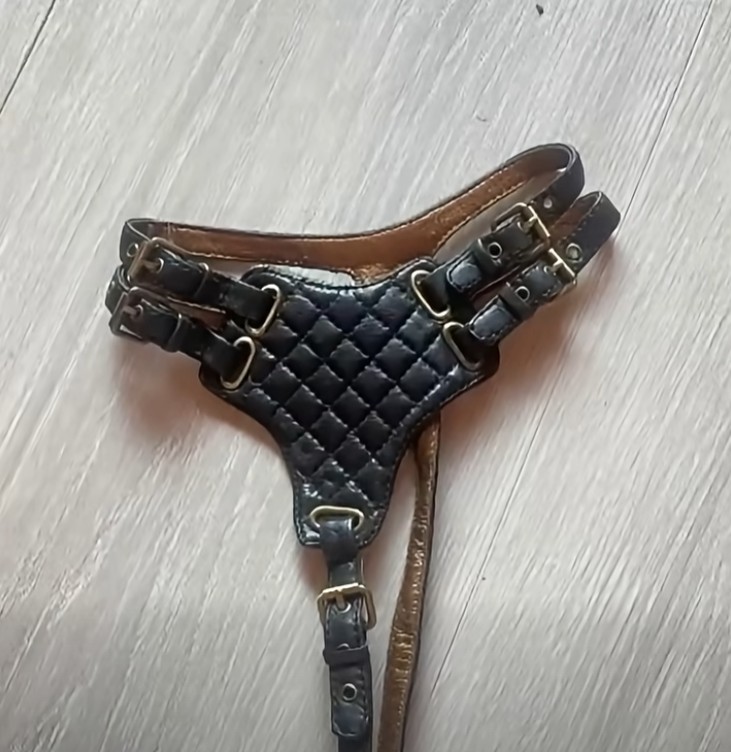
Boot straps are bands made from leather or another durable material that fit around parts of a boot. Their construction may incorporate adjustable buckles, rings, rivets, or decorative fittings.
Designs vary considerably. Some rely on plain leather and modest fastenings, while others feature patterned surfaces, elaborate stitching, or metal details intended to attract attention.
Footwear accessories of this kind have connections with horseback riding, outdoor work, and motorcycle travel. Those settings placed importance on durable materials and footwear exposed to movement, dirt, and demanding conditions.
As practical clothing influenced personal style, leather straps and visible hardware also became recognizable fashion details. Western and motorcycle-inspired wardrobes helped give those elements an identity beyond their original utility.
By the middle of the twentieth century, their decorative qualities had become an important part of their appeal. Engraved fittings, worked leather, and ornamental stitching allowed practical designs to express individual taste.
The distinction between appearance and purpose still matters. A piece made primarily for decoration should not automatically be treated as equipment suitable for demanding activities merely because it resembles an older functional design.
Why Older Leatherwork Attracts Attention
Vintage accessories can reveal considerable care in their construction. Substantial leather, finished edges, securely attached buckles, and detailed surface work may all contribute to the impression of a thoughtfully made piece.
That craftsmanship is best assessed through the individual item. Age does not guarantee quality, just as modern production does not automatically imply poor materials or careless construction.
Contemporary accessories range from inexpensive everyday pieces to carefully finished products made with premium materials. Older examples also vary, both in their original quality and in how well they have survived.
A strong-looking buckle cannot compensate for leather that has weakened around its attachment. Likewise, attractive stitching may conceal areas where the material has become brittle or damaged.
The most useful assessment considers the accessory as a whole. Its visual character, material condition, and fastening system all contribute to whether it remains practical to wear.
This approach allows traditional craftsmanship to be appreciated without romanticizing every old object. A vintage piece can be interesting because of its design while still requiring repair or being unsuitable for regular use.
Leather, Patina, and Signs of Wear
Leather forms much of the visual identity of many boot straps. Its color, thickness, surface texture, and flexibility influence both appearance and comfort.
Full-grain leather retains the natural outer surface of the hide. With use, it can develop a patina that gives the material an individual finish and makes its history of wear visible.
That gradual change should be distinguished from deterioration. Deep cracking, pronounced dryness, and weakened sections indicate condition problems rather than merely desirable signs of age.
Fastening holes deserve particular attention because the surrounding material must remain sound. Damage in those areas can affect how securely a strap closes, even when the rest of the leather looks attractive.
Storage history also matters. Leather that has been neglected may no longer have the flexibility or strength its substantial appearance suggests.
A worn finish can add character, but character alone does not make an accessory usable. The goal is to distinguish a surface that has aged attractively from material that has lost its integrity.
Hardware and Decorative Details Shape the Overall Effect
Buckles, rings, and rivets influence how boot straps function as well as how they look. Brass or steel fittings may give an older piece a substantial appearance, sometimes enhanced by an aged finish.
Secure attachment remains essential. Loose fittings, damaged closures, or sharp edges can make an otherwise appealing accessory uncomfortable or unsuitable to wear.
Decorative work introduces another layer of variation. Floral leather patterns, geometric motifs, Western-style engraving, and contrasting stitching can all give a pair its particular identity.
Some designs combine several of these elements, while others use only one. A plain leather band with a distinctive buckle may have as much visual presence as a more elaborately worked piece.
The balance between leather and metal affects styling choices. Large fittings and dense decoration naturally draw more attention, whereas narrow bands and restrained hardware are easier to incorporate quietly.
These differences explain why vintage boot straps should not be treated as a single uniform look. Their range extends from subtle accents to highly expressive additions to footwear.
Pairing Boot Straps With Western-Inspired Clothing
Western styling provides a natural setting for leather straps and decorative buckles. Cowboy boots, denim, and practical outerwear share visual elements with the accessory’s traditional influences.
Straight-leg or relaxed denim can form a simple foundation. A Western shirt, leather jacket, or wide-brimmed hat may reinforce that direction without requiring every element to be heavily decorated.
Boots with traditional stitching can work alongside patterned straps, but the relationship between the details matters. An outfit containing several prominent features can benefit from quieter pieces elsewhere.
When the straps have large buckles or elaborate engraving, straightforward clothing allows that work to remain visible. The accessory can carry the decorative emphasis rather than competing with every other item.
A Western-inspired outfit does not need to reproduce a complete historical appearance. Familiar materials and a few coordinated details can establish the influence while keeping the clothing comfortable for everyday wear.
Combining Traditional Materials With Modern Streetwear
Vintage boot straps can also sit comfortably within a contemporary casual wardrobe. Their leather surfaces and visible hardware introduce contrast alongside uncomplicated modern clothing.
Combat boots, chunky lace-up footwear, and heavier everyday boots provide possible foundations. Dark denim, a basic shirt, and an oversized jacket can leave space for the accessory without making the entire outfit appear vintage.
In this setting, the straps act as a point of connection between different clothing traditions. The footwear retains its modern context while gaining another texture or decorative feature.
The effect depends on proportion. A substantial strap may suit a heavier boot, while a smaller design can offer a quieter addition when the rest of the outfit is restrained.
This approach appeals to people who want individual details rather than a complete change in style. The accessory becomes one deliberate choice within clothing they already enjoy wearing.
Festival Clothing and Understated Everyday Outfits
Festival and bohemian styling offer another setting for older leather accessories. Flowing fabrics, distressed boots, utility-style vests, and graphic T-shirts can accommodate their varied textures and finishes.
A simple strap may complement those combinations more easily than an elaborate design. Subtle metalwork can add interest while allowing the different fabrics and shapes to remain balanced.
At the other end of the styling range, narrow bands and modest buckles can work with minimalist clothing. Neutral sweaters, straight-leg trousers, dark jeans, and casual jackets provide an uncomplicated backdrop.
In a restrained outfit, the accessory does not have to be large to become noticeable. A small change around the boot can introduce enough distinction without altering the overall character of the clothing.
These contrasting approaches demonstrate the importance of choosing a design rather than simply choosing something labeled vintage. The same general accessory can support a relaxed festival combination or a carefully understated everyday look.
Individuality, Reuse, and Lasting Personal Style
Older accessories often appeal because exact duplicates are difficult to find. Differences in buckle shape, stitching, color, and wear can make a particular pair feel personal.
That individuality can also encourage a different approach to dressing. Instead of replacing many items whenever styles change, someone may use a distinctive accessory to refresh clothing already in regular rotation.
Vintage leather goods can provide a view of earlier design preferences. Even simple pieces may include finishes or decorative details that are less familiar in contemporary mass-market accessories.
Secondhand purchasing also keeps existing materials in use. Whether that choice offers a meaningful sustainability benefit depends partly on condition, continued usefulness, and whether the item replaces another purchase.
An accessory bought only to remain unworn does not provide the same practical value as one that becomes part of an established wardrobe. Longevity involves continued use as well as the ability of the materials to survive.
The strongest connection between vintage style and reuse therefore comes from suitability. A piece that fits well, works with existing clothes, and remains comfortable has a better chance of becoming a lasting personal detail.
Inspecting a Vintage Pair Before Wearing It
Appearance is only the starting point when assessing vintage boot straps. A closer examination should include the leather, stitching, fastenings, and compatibility with the intended boots.
Deep cracks, excessive dryness, or weakened areas can indicate that repairs are necessary. Missing or loose stitches also deserve attention, especially where they help hold the construction together.
Buckles should operate properly and remain firmly attached. Rivets and other fittings should be secure, without sharp edges or damage that could interfere with wear.
Fit is equally important. Straps that are excessively tight or loose may not sit as intended, regardless of how attractive their design appears.
Vintage shops, flea markets, secondhand stores, and family collections can all contain older leather accessories. However, an aged finish alone does not establish that an item is genuinely old.
When authenticity is important, its origin and construction are more useful considerations than appearance alone. Professional leather repair may also be appropriate when an otherwise suitable piece has condition problems.
Cleaning and Storing Leather Accessories
Regular care can help preserve a usable pair of leather straps. The appropriate treatment depends on the material and its condition, particularly when the accessory is old or already fragile.
After outdoor wear, a soft, dry cloth can remove loose surface dirt. Additional cleaning should involve a product intended for leather, used in accordance with its instructions.
Soaking the straps or drying them with direct heat can affect the material. Careful handling is especially important when leather already shows signs of age.
A dry, ventilated storage space away from prolonged direct sunlight helps protect the accessory between uses. Sharp folds and heavy objects pressing down on the leather should also be avoided.
Particularly old or valuable pieces may warrant professional advice before treatment. Experimenting with cleaning products can be an unnecessary risk when the condition or finish is uncertain.
With suitable care, sound construction, and a comfortable fit, vintage boot straps can remain a useful part of a wardrobe. Their appeal comes from the combination of distinctive design and continued wear: a small detail that earns its place each time the boots are put on.