
Black Specks on Puff Pastry: What They Mean and When to Be Concerned
Finding Dark Specks in Puff Pastry Can Be Surprising
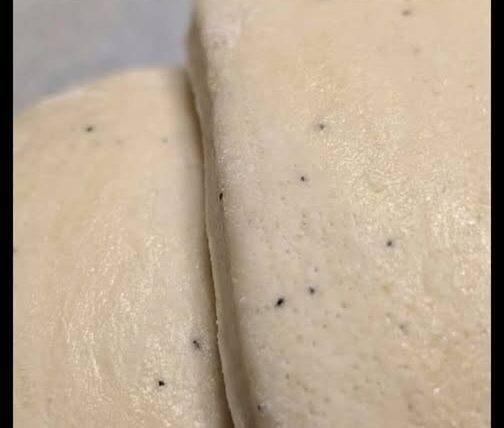
You take a sheet of puff pastry from its packaging, ready to create a flaky, golden baked treat. As you unfold the dough, you notice tiny black specks scattered across the surface or hidden between the layers.
For many home bakers, the immediate reaction is concern. Dark spots on food can easily be mistaken for mold or spoilage, raising questions about whether the pastry is still safe to use.
In most situations, however, these small specks are completely harmless. Understanding what causes them can help eliminate unnecessary worry and make it easier to determine when a pastry product is safe to bake and eat.
What the Specks Typically Look Like
The dark marks are usually very small and may appear black, dark brown, or charcoal gray. They are often flat against the dough rather than raised above it.
Some people notice them immediately after opening the package, while others only discover them after unfolding the pastry sheet. In certain cases, they become more visible during baking.
Unlike mold, these specks generally do not spread, smear, or change shape. They remain fixed in place and blend naturally into the dough.
Another important difference is texture. Harmless specks typically feel identical to the surrounding pastry, while mold often creates visible growth or irregular surfaces.
Natural Flour Particles Are a Common Cause
One of the most common explanations involves the flour used to make the pastry.
Flour is not always perfectly uniform. Depending on how it is processed, tiny pieces of wheat bran or germ can remain in the finished product.
These particles are especially common in less refined flours and in products made with premium or organic ingredients. During production and baking, the particles can darken and become more noticeable.
Rather than indicating a problem, these specks are often simply evidence of natural grain components that remain in the flour.
Because they are part of the original ingredients, they pose no safety concern and are considered entirely normal.
Butter Components Can Create Dark Spots
Puff pastry relies heavily on butter to achieve its signature flaky layers.
Butter contains more than fat alone. It also includes milk solids and proteins that can react during the lamination process, where dough and butter are repeatedly folded into many thin layers.
As the pastry bakes, some of these milk solids may brown or caramelize slightly. This can create tiny dark specks that appear on the surface or within the layers.
The effect is similar to the browning that occurs in other baked foods when dairy ingredients are exposed to heat.
These spots are generally harmless and are simply part of the baking process.
Oxidation and Storage Can Affect Appearance
Another possible reason for dark specks involves the aging of the dough.
When puff pastry is stored for extended periods, especially after repeated thawing and refreezing, changes can occur in the fats and ingredients.
This process, often referred to as oxidation, can alter the appearance of the pastry and create uneven coloring or scattered spots.
A package that has spent a long time in the freezer may develop a slightly mottled appearance even if it remains technically safe to eat.
While oxidation can influence flavor and texture, it does not automatically indicate spoilage.
The overall condition of the pastry, including its smell and storage history, should also be considered before deciding whether to use it.
Residue from Baking Equipment May Leave Marks
Not every dark spot originates from the dough itself.
Sometimes the source is a baking tray, baking stone, or sheet of parchment paper that still contains residue from previous cooking sessions.
Burnt flour, grease deposits, or small charred particles can transfer onto the pastry during baking.
These marks may resemble dark specks even though they were not present before the pastry entered the oven.
Regular cleaning of baking surfaces can help prevent this type of transfer and reduce confusion when examining finished baked goods.
Are Black Specks Usually Safe to Eat?
In the majority of cases, yes.
If the specks are dry, flat, and appear to be part of the dough itself, there is generally little reason for concern.
Pastry that smells normal and shows no signs of unusual growth is typically safe to bake and consume.
Frozen puff pastry products are also less likely to develop mold when they have been stored correctly.
Most harmless specks are simply related to ingredients, processing, or normal changes that occur during storage and baking.
As long as there are no other warning signs, the pastry can usually be used as intended.
Warning Signs That Should Not Be Ignored
Although most dark specks are harmless, there are situations where caution is necessary.
Any growth that appears fuzzy, raised, damp, or irregular deserves closer inspection.
Colors such as green, blue, or white can be particularly concerning because they may indicate mold development.
Odor is another important clue. Puff pastry should smell neutral, buttery, or fresh.
If it produces a sour, musty, or otherwise unpleasant smell, it is best not to use it.
When signs of spoilage are present, discarding the product is the safest choice.
How to Distinguish Harmless Specks from Mold
A few simple observations can help determine whether dark spots are likely harmless or potentially problematic.
Start by checking the aroma. Fresh pastry should not have a strong or offensive odor.
Next, examine the texture carefully. Mold often grows outward from the surface and may appear fuzzy or uneven.
Harmless specks generally remain embedded within the dough and do not create a different texture.
Distribution can also provide useful clues. Natural ingredient specks are often scattered fairly evenly throughout the pastry.
Mold tends to form in patches, clusters, or isolated areas that expand over time.
If uncertainty remains after inspection, it is safer to replace the pastry than to take unnecessary risks.
Reducing the Chances of Dark Specks
While many specks are completely normal, proper storage practices can help maintain the best possible quality.
Puff pastry should remain tightly sealed while stored in the freezer.
Avoid repeatedly thawing and refreezing the dough, as this can accelerate quality changes and increase the likelihood of discoloration.
When preparing homemade puff pastry, using fresh ingredients can also help ensure a consistent appearance.
Clean baking trays, parchment paper, and work surfaces before each use to prevent residue from transferring onto the pastry.
For those who prefer a smoother-looking dough, highly refined flour may reduce the visibility of natural grain particles.
When It Is Best to Throw It Away
There are certain situations where keeping the pastry is not worth the risk.
Visible mold growth, unpleasant odors, severe freezer damage, or evidence of improper storage are all signs that the product should be discarded.
An expired pastry that shows questionable changes in appearance or smell should also be treated with caution.
Food safety is always more important than salvaging a package of dough.
When spoilage indicators are present, replacing the pastry is the safest course of action.
The Bottom Line
Tiny black specks on puff pastry are usually nothing unusual. In many cases, they result from natural flour particles, browned butter solids, oxidation during storage, or residue from baking equipment.
These specks are typically flat, dry, and stable in appearance, making them very different from mold.
The best approach is to examine the pastry carefully, paying attention to smell, texture, and overall condition.
If the dough looks normal, smells fresh, and shows no signs of fuzzy growth or unusual discoloration, those dark specks are likely harmless.
Understanding the difference between ordinary ingredient-related spots and genuine spoilage can help you bake with confidence and avoid throwing away perfectly good pastry.