
Why Sleeping on Your Left Side May Offer Surprising Health Benefits
How Sleep Position Can Affect the Body
Many people naturally fall asleep on their side without giving it much thought. Sleep position often comes down to comfort, habit, or mattress support.
However, the way a person sleeps can also influence how the body feels the next day. Back pain, snoring, digestion issues, and joint discomfort may all be connected to nighttime posture.
While there is no single perfect sleep position for everyone, sleeping on the left side is often linked with several potential benefits. For some people, making this small adjustment may improve comfort and overall rest.
Left-Side Sleeping and Back Support
One common complaint among adults is lower back discomfort. Poor posture during sleep can place extra strain on the spine and surrounding muscles.
Sleeping on the stomach may increase pressure through the center of the body and force the spine into an awkward position. This can lead to stiffness or soreness after waking.
Side sleeping may help keep the spine in a more natural alignment. When the neck, shoulders, and hips are supported properly, pressure on the lower back can be reduced.
Using a supportive pillow and a mattress that balances softness with structure may improve these results even further.

May Help Reduce Snoring
Snoring is often more noticeable when sleeping on the back. In that position, the tongue and soft tissues in the throat can move backward and narrow the airway.
This may increase vibration during breathing, creating the sound many people recognize as snoring.
Sleeping on the side may help keep the airway more open. It can allow the tongue to remain forward, which may improve airflow and reduce nighttime noise.
Some people with mild sleep-disordered breathing also find side sleeping more comfortable.
Possible Digestive Benefits
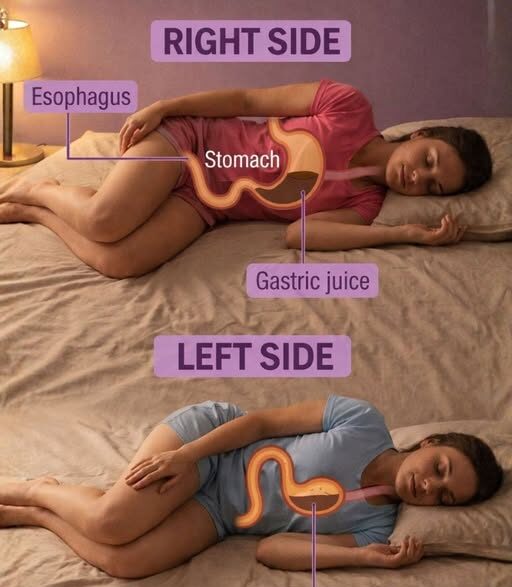
Sleeping on the left side is frequently associated with better digestion. This position may help some people who deal with bloating, mild constipation, or nighttime discomfort after meals.
The stomach is positioned on the left side of the body, and gravity may support the movement of food and digestive fluids when lying on that side.
Some individuals also report less heartburn when resting in this position, especially if they avoid large meals close to bedtime.
Comfort can vary from person to person, but those who struggle with digestion may find left-side sleeping worth trying.
Support for Brain Waste Removal During Sleep
During sleep, the brain goes through important maintenance processes. One of these involves clearing waste products that build up during the day.
Studies have suggested that side sleeping may support this natural cleaning system, often called the glymphatic system.
This system helps move fluid through the brain and remove metabolic waste while a person sleeps.
Animal research has linked this process with long-term brain health. More human research is still needed, but the findings have increased interest in how sleep posture may affect wellness over time.
Improved Circulation During Pregnancy
Good blood flow becomes especially important during pregnancy. Healthy circulation helps support both the mother and the developing baby.
Many expecting mothers are advised to sleep on the left side because it may help blood move more efficiently and reduce pressure on major blood vessels.
As pregnancy progresses, finding a comfortable sleeping position can become more difficult. Pillows placed behind the back, under the abdomen, or between the knees may offer added support.
How to Train Yourself to Sleep on Your Side
Changing sleep habits can take time. People who usually sleep on their back or stomach may need patience while adjusting.
Creating a supportive sleep setup often makes the transition easier.
Choose the Right Pillow
A good pillow should keep the neck in a neutral position rather than pushing the head too high or letting it drop too low.
Firmness matters as well. The right level of support can help reduce neck strain and shoulder tension.
Use a Supportive Mattress
Mattresses that are too firm may create pressure on the shoulders and hips during side sleeping.
Mattresses that are too soft may allow the body to sink too deeply, which can affect spinal alignment.
A balanced surface that cushions pressure points while supporting the spine is often the best choice.
Add Pillows for Stability
Placing a pillow between the knees may help keep the hips aligned and reduce strain on the lower back.
Some people also like hugging a pillow to support the upper arm and shoulder.
Body pillows can help maintain side position throughout the night and prevent frequent rolling.
Simple Tricks to Stay Off the Back
People who automatically roll onto their back may benefit from using barriers such as pillows behind the body.
Another common method is attaching a soft object, such as a tennis ball, to the back of sleepwear to discourage rolling over.
This gentle reminder can help train the body over time.
Possible Downsides of Side Sleeping
Although side sleeping offers benefits for many people, it may not feel ideal for everyone.
Shoulder and Hip Pressure
Lying on one side for long periods can create pressure in the shoulder, hip, and knee joints.
This is especially common on mattresses that are too firm or worn out.
Rotating sides during the night or improving bedding support may help reduce discomfort.
Facial Pressure and Jaw Tension
Some people notice facial pressure when sleeping on their side, especially if they deal with sinus congestion.
Those with jaw tightness may also feel discomfort if the face presses heavily into the pillow.
Choosing a softer pillow or adjusting head position may improve comfort.
Other Sleep Positions: Pros and Cons
Every sleep position has advantages and disadvantages. Comfort, health needs, and existing pain issues often determine what works best.
Sleeping on the Back
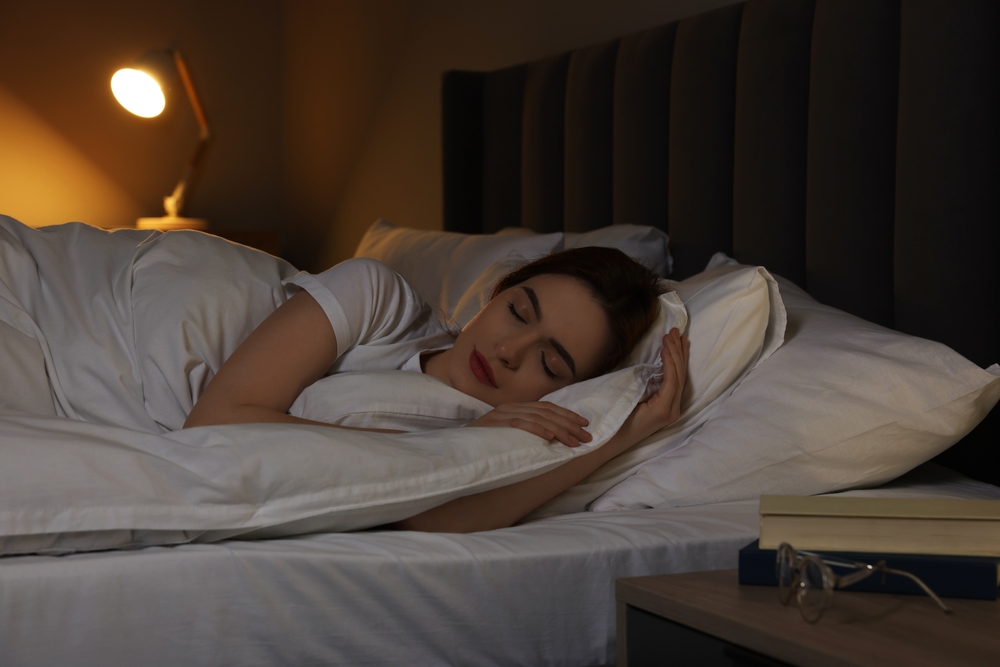
Back sleeping may feel helpful for people with certain joint issues, including hip or knee discomfort.
It can also reduce pressure on the face and may feel comfortable for some people with sinus congestion.
Placing a pillow under the knees can support the lower back. Elevating the head slightly may help with heartburn or headaches.
Sleeping on the Stomach
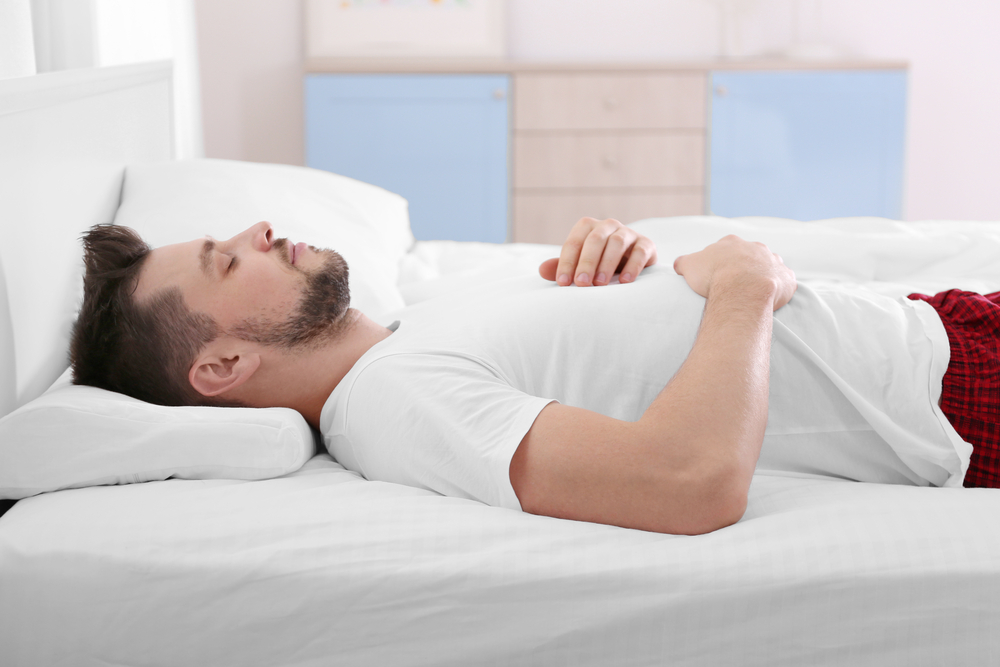
Many sleep experts caution against stomach sleeping, especially for people with neck or back pain.
This position can place strain on the spine and often requires the neck to turn sharply to one side.
For those who cannot comfortably change positions, using a thin pillow or no pillow at all may reduce strain.
Alternating the direction of the head can also help lessen stiffness.

Finding the Best Position for You
There is no universal rule that applies to every sleeper. The best position is one that allows the body to rest comfortably and wake feeling refreshed.
Still, people dealing with snoring, mild digestion issues, pregnancy discomfort, or back pain may benefit from trying left-side sleeping.
Even starting the night on the left side and allowing the body to move naturally later can be a practical approach.
Small changes in sleep posture, pillow support, and mattress comfort may lead to better rest and improved mornings.