
Wheel of Fortune Bonus Round Sparks Boycott Calls After Contestant Misses $40,000 Prize
A recent episode of Wheel of Fortune has triggered a heated reaction among viewers after a contestant failed to solve a Bonus Round puzzle that many fans considered unusually difficult and unpredictable.
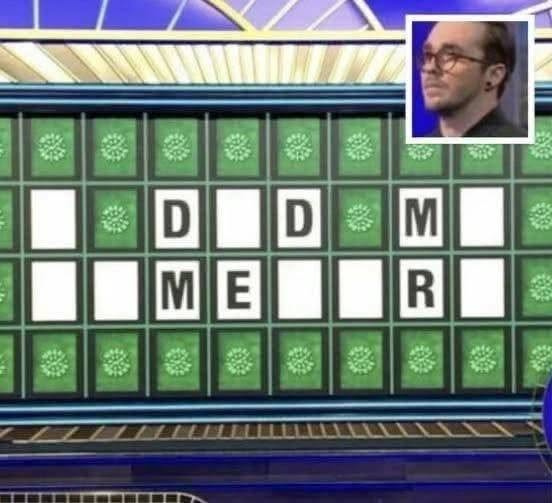
The controversy developed during a Valentine’s-themed edition of the long-running game show. Contestant Conner Kemmsies, a pilot who had performed strongly during the main competition, reached the final stage with an opportunity to add another $40,000 to his winnings.
Instead of celebrating a major victory, Kemmsies watched the countdown expire without identifying the complete phrase. The unsuccessful attempt quickly became the focus of online criticism, with some viewers calling for a boycott and others questioning whether the final puzzle offered a reasonable level of difficulty.
A Strong Performance Ends in Bonus Round Disappointment
Kemmsies earned his place in the Bonus Round after navigating the earlier portions of the game successfully. Reaching that stage placed him within seconds of potentially securing a significant additional prize.
As usual, the contestant received a limited selection of letters and a brief amount of time to study the partially completed phrase. The final solution was “I DID MY HOMEWORK.”
Kemmsies examined the available letters and attempted to work through the answer before the timer reached zero. Despite his effort, he was unable to complete the puzzle within the permitted time.
The loss meant that the contestant missed the opportunity to claim the additional $40,000. While unsuccessful Bonus Rounds are a normal feature of the competition, the specific wording of this puzzle caused the moment to attract far more attention than an ordinary loss.
Many viewers believed Kemmsies faced a phrase that was difficult to predict from the information available. Their frustration was not simply that he lost, but that the completed answer seemed disconnected from the familiar expressions they expected to see during the final round.
Viewers Question the Puzzle’s Familiarity
Much of the criticism centered on whether the solution was recognizable enough to function as a fair Bonus Round puzzle. Fans argued that the phrase did not immediately suggest a familiar saying, common expression, or strongly identifiable situation.
Under the pressure of a rapidly moving countdown, contestants must often rely on instinct as much as careful reasoning. A phrase that feels natural after it is revealed may still be extremely difficult to identify when only a few letters are visible.
For some viewers, “I DID MY HOMEWORK.” appeared too random to solve comfortably within the available time. They felt the answer could describe an ordinary statement but lacked the distinctive structure that might guide a contestant toward the correct wording.
Several longtime followers of the program also questioned how naturally the solution fit within its assigned category. They believed that the category should have provided stronger guidance and narrowed the possible answers more effectively.
Because the phrase could not be easily connected to an obvious context, fans said Kemmsies had little opportunity to build momentum once the clock started. Every second spent considering an incorrect possibility reduced his chances of reaching the final answer.
The reaction demonstrated how closely viewers examine the relationship between categories, letter patterns, and completed solutions. For dedicated fans, the challenge is not only about whether a puzzle can technically be solved, but whether it feels logical and satisfying when the answer is revealed.
Calls for a Boycott Intensify the Debate
The episode quickly became a subject of strong online discussion. Some frustrated fans used the moment to call for a complete boycott of the show, describing the final puzzle as an example of what they see as a larger problem with recent Bonus Rounds.
Boycott demands represented the most severe reaction, but they reflected a broader concern about fairness and viewer satisfaction. Fans who invest time in following contestants often want to believe that the final challenge is difficult without becoming arbitrary.
When a contestant performs well throughout an episode and reaches the Bonus Round, viewers frequently become emotionally invested in the outcome. A loss can therefore feel especially disappointing when the solution appears difficult to anticipate rather than difficult in a rewarding way.
The reaction was also strengthened by the size of the missed prize. Kemmsies was not competing for a minor addition to his total. He was attempting to win another $40,000, making every second of the final round more meaningful.
Some viewers believed the combination of a strong contestant, a substantial prize, and an unexpected phrase created a particularly frustrating conclusion. Instead of feeling suspense followed by a fair defeat, they felt the puzzle prevented a realistic chance of success.
Bonus Wheel Result Adds to Viewer Frustration
The dispute did not end when the correct phrase appeared. After Kemmsies lost, the show revealed the value of the prize envelope selected from the bonus wheel.
The envelope contained one of the smaller cash amounts available during the final stage. That detail renewed a separate complaint that has repeatedly surfaced among members of the audience.
Some fans have become dissatisfied with how often lower-value prizes appear to be revealed after unsuccessful Bonus Rounds. Although the contestant still missed a valuable $40,000 reward, the envelope reveal encouraged viewers to discuss the broader presentation of prizes.
For critics, the combination of a difficult puzzle and a comparatively lower bonus amount made the ending feel less exciting. They argued that recent final rounds have sometimes lacked the sense of possibility and celebration that makes the closing minutes of a game show memorable.
The prize discussion also showed that viewers judge the Bonus Round as a complete experience. The puzzle, category, selected letters, countdown, contestant response, and final envelope all contribute to whether the conclusion feels entertaining.
When several of those elements leave the audience disappointed, a single episode can become part of a wider debate about the direction of the program.
Questions About Difficulty Return
The episode revived speculation that the Bonus Round may have become more difficult. Some viewers questioned whether producers have intentionally increased the challenge, particularly through phrases that offer fewer familiar clues.
There is no evidence that the competition was manipulated or that the puzzle was designed to prevent Kemmsies from winning. The criticism remains based on viewer perception and the unusual reaction to the completed phrase.
Bonus Round puzzles naturally vary in difficulty. Some answers become clear as soon as several letters appear, while others remain uncertain until the final seconds or even after time expires.
Still, fans often expect the challenge to follow a recognizable internal logic. They want the category and visible letter pattern to create a path toward the answer, even when finding that path requires fast thinking.
In this case, critics felt that too many possible statements could have matched the available structure. Without a distinctive word or familiar expression to provide direction, Kemmsies appeared to face a wider range of possibilities than viewers considered reasonable.
The debate therefore focused less on whether difficult puzzles should exist and more on what kind of difficulty the show should present. A complicated but familiar phrase may feel fair, while an ordinary but unexpected statement can feel nearly impossible under time pressure.
Other Fans Defend the Competition
Not every viewer agreed with the criticism. Many fans defended Wheel of Fortune and argued that unpredictability has always been an essential part of the game.
Supporters noted that contestants regularly encounter puzzles with different levels of difficulty. A phrase that seems obvious to one person may be confusing to another, especially when only selected letters are displayed.
They also emphasized that the Bonus Round is not designed to guarantee a victory. Reaching the final stage creates an opportunity to win an additional prize, but the contestant must still solve the puzzle before the countdown ends.
From that perspective, Kemmsies experienced a disappointing but legitimate loss. The phrase became understandable once revealed, and the fact that it was not immediately recognizable did not automatically make it unfair.
Defenders also argued that challenging puzzles protect the competitive nature of the program. If every Bonus Round contained an instantly familiar expression, the final challenge could become predictable and less compelling.
The disagreement illustrates how differently viewers define fairness. Some believe a fair puzzle should be difficult but strongly connected to common language. Others believe any grammatically clear phrase can be appropriate if the contestant receives the standard letters and time.
A Loyal Audience Continues to Scrutinize the Show
The intensity of the response highlights the continuing passion surrounding the long-running program. Viewers remain highly attentive to puzzle construction, contestant performance, category choices, prize values, and the overall balance of the final round.
That level of scrutiny can turn a brief television moment into a much larger discussion. Kemmsies’ unsuccessful attempt lasted only seconds, yet the phrase and prize reveal continued to generate debate after the episode ended.
The controversy also shows how strongly audiences identify with contestants. Many people watching from home attempt to solve the puzzle at the same time, creating a direct comparison between their own guesses and the contestant’s struggle.
When large numbers of viewers also fail to recognize the phrase, they may conclude that the puzzle itself caused the loss. When they solve it quickly, they may view the contestant’s defeat as a normal part of the game.
This shared participation is one reason Bonus Round disputes can become especially intense. The audience is not merely observing the challenge but actively testing the puzzle in real time.
One Final Round Creates a Lasting Conversation
Whether the calls for a boycott continue remains uncertain. Strong reactions to individual episodes can fade quickly, particularly when later contestants face more familiar puzzles or win substantial prizes.
However, the controversy has again placed attention on the delicate balance between difficulty and fairness. Producers must create puzzles that challenge contestants while still allowing viewers to understand how the answer could reasonably be discovered.
The Valentine’s-themed episode did not produce the celebratory ending Kemmsies or his supporters hoped to see. Instead, it created a debate over the phrase “I DID MY HOMEWORK.” and whether it belonged in a high-pressure Bonus Round with $40,000 at stake.
For critics, the moment represented an unsatisfying puzzle combined with recurring concerns about lower-value prize envelopes. For defenders, it was simply another example of the uncertainty that has always defined the game.
Regardless of which interpretation viewers accept, the response confirms that Wheel of Fortune continues to inspire strong opinions. After decades on television, even one unsuccessful final round can still capture attention, divide fans, and raise new questions about what makes a game-show challenge feel genuinely fair.