
The Sperti Sunlamp Brought a Touch of Summer Into Midcentury Homes
The glowing household device reflected an era of winter rituals, scientific optimism, and faith in modern invention
During the darkest months of winter, many homes once relied on more than fireplaces and heavy curtains to create a sense of warmth. In some living rooms, a bright metallic device stood in the corner, producing a steady hum and a distinctive glow that seemed to push back against the gray weather outside.
That device was the Sperti sunlamp, a memorable piece of midcentury household equipment designed to bring artificial sunlight indoors. Its unusual appearance, warm illumination, and association with health made it a familiar winter presence for many families during the 1950s and 1960s.
For children who grew up during those decades, the lamp could seem almost mysterious. Its cool blue light cast long shadows across walls and furniture, while its buzzing sound added to the impression that something scientific and important was taking place.
The Sperti sunlamp was more than an unusual appliance. It represented a period when many people believed modern technology could solve ordinary problems, improve daily life, and recreate natural experiences inside the home.
A Household Device Built Around Artificial Sunlight
The sunlamp was designed to deliver ultraviolet light therapy during periods when natural sunlight was limited. Its purpose was direct and ambitious: to reproduce some of the effects associated with sunlight without requiring users to step outdoors.
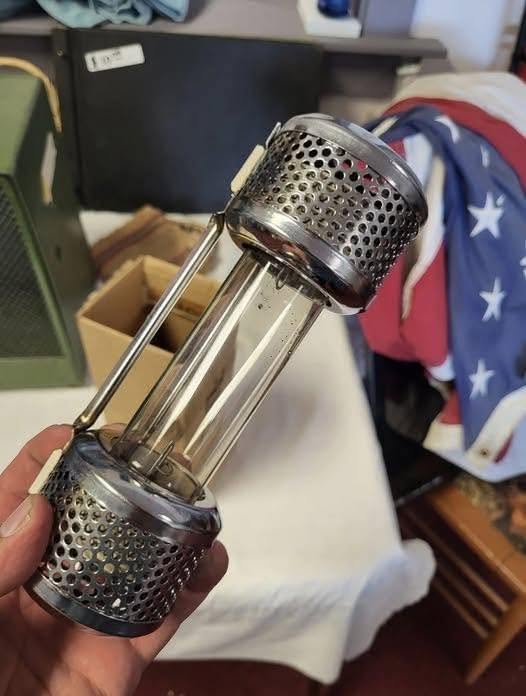
With its chrome finish, perforated metal housing, and powerful internal light, the device looked different from the softer furnishings normally found in a living room. It could easily have been mistaken for a laboratory instrument or a prop from a midcentury science fiction film.
That futuristic appearance was part of its appeal. Families living through a period of rapid technological development were becoming accustomed to machines that promised to make everyday tasks easier, faster, or more comfortable.
Refrigerators, washing machines, radios, and other household devices were transforming domestic routines. The Sperti sunlamp fit naturally into that environment because it offered another example of science being adapted for personal use.
Its glow could make a dark room feel brighter and warmer, particularly during long stretches of cloud cover. For some users, sitting near the lamp became a seasonal habit as familiar as reading beside a radiator or gathering around a television.

The Origins of the Sperti Sunlamp
The technique behind the device was developed during the 1930s by Dr. George Sperti. His work focused on bringing “natural light” indoors through a lamp that could be used during periods when sunlight was difficult to obtain.
The concept appealed to people who viewed sunlight as closely connected with physical and emotional well-being. The lamp was presented as a way to deliver ultraviolet exposure in a controlled household setting.
It was associated with several intended uses, including tanning the skin, supporting vitamin D production, improving mood, and addressing certain skin concerns. These ideas helped establish the sunlamp as both a medical-style device and a domestic appliance.
By the middle of the 20th century, the Sperti name had become closely linked with home sunlamp technology. The device gained recognition among families who trusted scientific progress and were eager to bring new forms of wellness equipment into their homes.
Not every household owned one, but the lamp became familiar enough to remain strongly associated with midcentury winter life. Its shape, sound, and glow left an impression that many former users continued to remember decades later.
A Symbol of Midcentury Health Culture
The Sperti sunlamp emerged during a period when health advice, household technology, and advertising often overlapped. New inventions were regularly introduced as ways to improve energy, appearance, comfort, and general well-being.
The device reflected that culture clearly. It took something people naturally associated with outdoor life and attempted to reproduce it through electricity, metal, glass, and ultraviolet light.
For many families, using the lamp did not feel especially unusual. It was treated as another practical winter routine, particularly during months when outdoor activity was limited and daylight disappeared early.
Users might sit or recline near the lamp while reading, resting, or following household instructions about how long to remain exposed. Parents sometimes reminded children to close their eyes and stay still while the light warmed their faces.
The experience could be both ordinary and theatrical. A person might be sitting in a familiar living room, yet the intense glow created the temporary impression of being somewhere brighter and more summery.
That contrast helped make the lamp memorable. Outside, snow and cold weather might dominate the landscape. Inside, the device created a private imitation of sunlight at the flick of a switch.
Winter Comfort in the Living Room
The emotional appeal of the Sperti sunlamp was closely tied to winter. Long periods of darkness and overcast weather can make indoor spaces feel smaller, colder, and more isolated.
A bright lamp offered a simple change in atmosphere. Even when it could not reproduce a true summer day, it provided light, warmth, and a temporary break from the dullness outside.
Families often gathered around new household technology, especially when the device had a strong visual presence. The sunlamp became part of that pattern, drawing attention because of its glow and the ritual surrounding its use.
Some people remember sitting beneath it while turning the pages of Life magazine or another familiar publication. The act of reading in the artificial warmth combined everyday relaxation with the sensation of participating in something modern.
Parents might carefully position the lamp, set a limit on exposure, and instruct children not to look directly into the light. These small routines became part of the household memory associated with the device.
For a few minutes, the winter living room could feel transformed. The lamp’s warmth touched the face, the room took on an unusual color, and the outside weather seemed less important.

A Product of Postwar Optimism
The sunlamp also reflected a larger cultural mood that developed after World War II. Industry expanded, consumer products multiplied, and technological progress became closely connected with hopes for a more comfortable future.
Households were filling with appliances that promised to reduce labor and improve daily routines. Machines were no longer limited to factories or medical facilities; they were becoming part of kitchens, laundry rooms, bedrooms, and living spaces.
The Sperti sunlamp embodied that confidence. It suggested that even sunlight, one of the most natural elements of daily life, could be recreated and delivered through a household device.
This belief in invention gave the lamp meaning beyond its practical purpose. It became an object associated with possibility, progress, and confidence in the ability of science to address familiar discomforts.
The postwar home was often presented as a place where technology could remove inconvenience. A machine could wash clothing, preserve food, entertain the family, or brighten a winter afternoon.
In that environment, the sunlamp appeared less like an eccentric novelty and more like a logical next step. It promised to make seasonal darkness easier to manage through a combination of design and electricity.
The Distinctive Look and Sound
Part of the device’s lasting appeal comes from its unmistakable design. The shiny metal body gave it a clinical appearance, while the perforated housing suggested powerful machinery operating beneath the surface.
When switched on, the lamp produced a noticeable hum or buzz. That sound became part of the experience, signaling that the device was active and filling the room with artificial light.
The blue-toned glow could look dramatic against wallpaper, rugs, wooden furniture, and heavy curtains. Shadows shifted across the room, giving familiar surroundings a temporary and unusual character.
Unlike ordinary lamps designed only to make a room visible, the Sperti sunlamp demanded attention. Its intensity, sound, and purpose made it feel more significant than a table lamp or ceiling fixture.
Children may have viewed it with a mixture of curiosity and caution. Adults, meanwhile, often treated it as a serious piece of equipment linked to health and seasonal well-being.
This combination of domestic familiarity and scientific mystery helped preserve the device in memory. Even people who used it only occasionally could remember how different the room felt when the lamp was turned on.

Changing Standards and Modern Understanding
Sunlamp use has changed significantly since the device’s most popular years. Modern consumers have access to newer technologies, updated guidance, and a broader understanding of ultraviolet exposure.
Older household sunlamps are now more likely to be encountered as vintage objects than as everyday wellness appliances. They may appear at estate sales, in collections, or among stored possessions from earlier generations.
Their reduced use does not erase their historical significance. The Sperti sunlamp remains an example of how health practices and household habits can change as technology develops and safety standards evolve.
What once seemed like an advanced solution may later be viewed with greater caution. This pattern is common with devices that were introduced during periods of strong excitement about scientific innovation.
The lamp’s history therefore offers more than nostalgia. It also shows how households adopted new technology based on the knowledge, expectations, and cultural attitudes of their time.
Why the Sunlamp Still Inspires Nostalgia
For former users, the strongest memories may not involve the technical purpose of the lamp at all. Instead, they may recall the room where it stood, the sound it made, or the way family members gathered around it.
Nostalgia often attaches itself to objects that were once ordinary. A device that seemed practical or unremarkable in childhood can later become a powerful reminder of family routines and vanished ways of life.
The Sperti sunlamp carries that emotional quality. Its glow can evoke memories of snow outside the window, a magazine resting on someone’s lap, or a parent giving instructions from across the room.
It also recalls a time when new household gadgets were often greeted with excitement. Shiny surfaces, electric controls, and bold promises created a sense that the future was arriving directly inside the home.
That optimism can seem especially appealing in retrospect. The lamp represented a belief that darkness, discomfort, and seasonal gloom could be confronted through ingenuity.
Even when the results were imperfect, the promise itself mattered. Turning on the lamp was an action filled with confidence that warmth and brightness could be produced whenever they were needed.

A Small Machine With Lasting Cultural Meaning
The Sperti sunlamp was never merely a source of light. It stood at the intersection of household technology, wellness culture, postwar design, and personal memory.
Its creators intended it to bring the benefits associated with sunlight indoors. Families used it for practical reasons, but the experience also became tied to comfort, ritual, and hope during the coldest part of the year.
Today, the device may look unusual or even theatrical. Its metallic body and intense glow belong clearly to an earlier period of design and scientific confidence.
Yet that is precisely why it remains so interesting. The lamp captures a moment when people believed modern invention could reproduce nature, improve health, and make the home more resilient against the hardships of winter.
For those who remember sitting beneath its glow, the Sperti sunlamp can still bring back the feeling of summer appearing unexpectedly in a snowbound room.
It remains a bright symbol of an era when technology was welcomed not only as a tool, but also as a promise that everyday life could become warmer, easier, and more hopeful.