
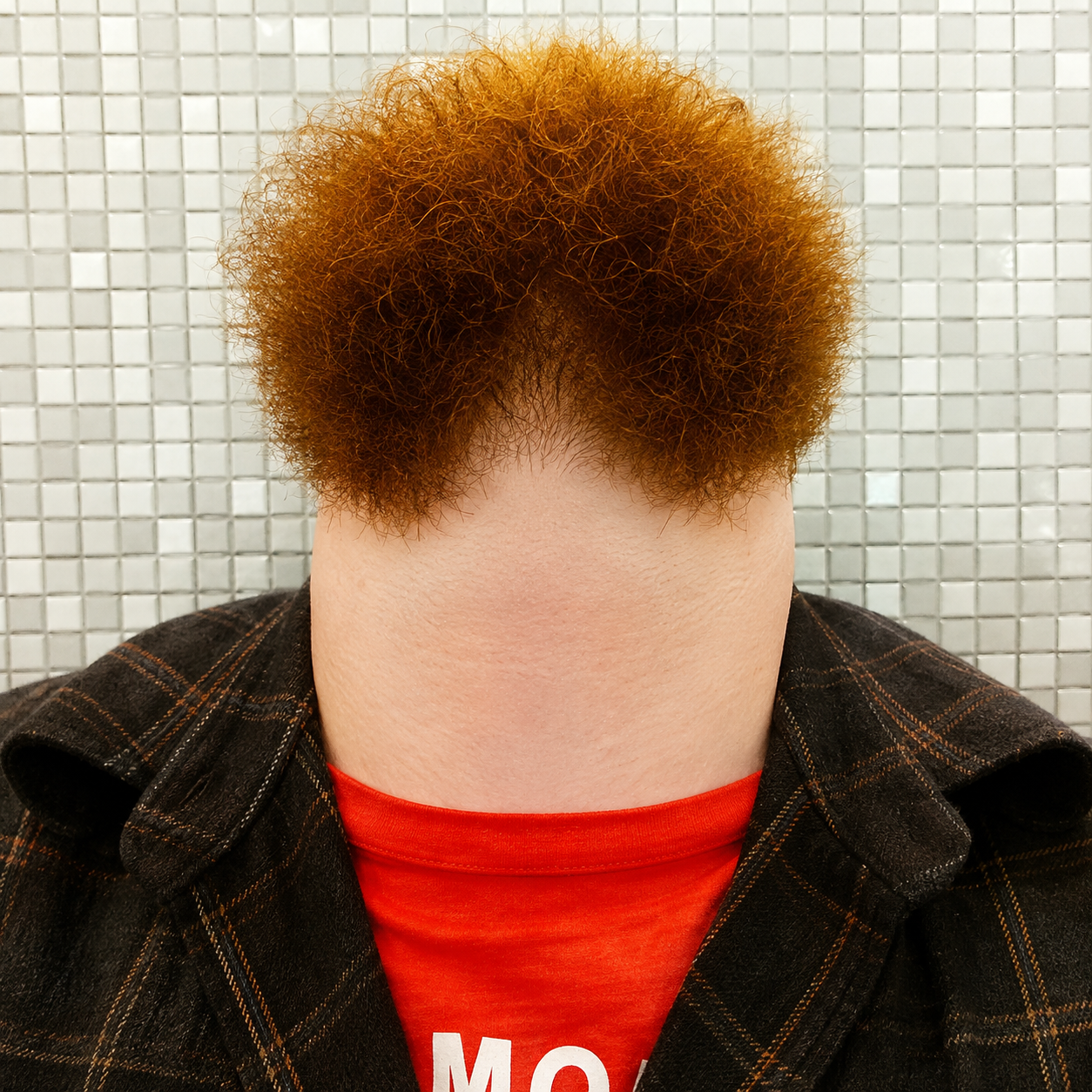
26 Optical Illusion Photos That Will Make You Look Twice
These Perfectly Timed Pictures Prove That Your Eyes Cannot Always Be Trusted
A photograph is often treated as a clear record of reality. We assume the camera captured exactly what was in front of it and that our eyes can understand the scene almost instantly.
Sometimes, however, an ordinary picture creates something completely different.
A carefully placed object can appear to float. A person standing behind someone else can seem to lose an arm or gain an extra pair of legs. Two animals can blend together until they appear to form one impossible creature.
These visual puzzles are not necessarily created with editing software or complicated tricks. Many happen accidentally because of perspective, timing, lighting, shadows, and the position of people or objects inside the frame.
The result is a photograph that looks confusing at first glance but becomes perfectly understandable once the hidden detail is recognized.
The following 26 images are the kind of pictures that force viewers to stop scrolling, look again, and ask one simple question: What is actually happening here?
Why Ordinary Photographs Can Look So Strange
The human brain is designed to interpret visual information quickly. It searches for familiar shapes, faces, bodies, and patterns before every detail has been fully examined.
Most of the time, this process works extremely well. It allows people to recognize objects, judge distances, and understand their surroundings almost immediately.
But speed can also create mistakes.
When two objects overlap, the brain may combine them into one shape. When part of a body is hidden, the mind may assume it has disappeared rather than recognizing that it is simply behind something else.
A shadow can look like a solid object. A reflection can appear to be another person. Something close to the camera may seem enormous compared with something farther away.
These mistakes usually last only a second, but that second is enough to create a memorable optical illusion.
1. The Person Who Appears to Be Floating
One of the most common illusion photographs shows someone who appears to be suspended above the ground.
The effect may be caused by a shadow hiding the person’s feet, an object covering the lower part of the body, or a photograph taken at the exact moment of a jump.
At first glance, the person seems to be hovering naturally in the air. Only after examining the ground and surrounding shadows does the explanation become clear.
2. A Head Without a Body
A person may lean behind furniture, another individual, or a large object in a way that hides the entire body while leaving the head visible.
The photograph can then look as though a head has been placed on a table or is floating in the middle of the scene.
The illusion becomes even stronger when the background has a similar color to the person’s clothing.
3. The Dog With Two Bodies
Animals frequently create confusing photographs because they move quickly and often stand close together.
If one dog’s head appears in front of another dog’s body, the two animals may look like one strange creature with too many legs or an unusually long back.
The closer their fur colors match, the harder it becomes to separate them visually.
4. The Missing Arm Mystery
A simple pose can make it appear as though a person has lost an arm.
The arm may be hidden behind the body, tucked beneath clothing, or perfectly aligned with another object in the background.
Because the brain expects to see both arms, the missing shape immediately creates confusion.
5. A Giant Hand Reaching Across the Scene
Forced perspective can turn an ordinary hand into something enormous.
When a person places a hand close to the camera while another person stands farther away, the hand may appear large enough to grab the distant person.
The image is harmless, but the difference in distance creates a dramatic and often hilarious result.
6. The Person With Extra Legs
Group photographs often produce unexpected body-part illusions.
If several people stand close together and wear similar clothing, one person may appear to have three or four legs.
The effect becomes particularly convincing when the visible legs line up naturally beneath one torso.
7. A Face Appearing in an Unexpected Place
Reflections can place faces where no person seems to be standing.
A face may appear in a window, mirror, polished surface, or pair of sunglasses, creating the impression that someone is hiding inside the object.
The illusion can look frightening until the reflection’s source is identified.
8. The Dog With a Human Body
When a pet sits directly in front of its owner, the animal’s head may align perfectly with the person’s shoulders.
The final photograph can look like a dog wearing human clothes and sitting upright like a person.
These pictures are especially effective when the owner’s actual head is hidden behind the animal.
9. The Person Standing Inside a Table
Glass furniture and reflective surfaces can make body positions difficult to understand.
A person standing behind a transparent table may appear to have legs emerging through the tabletop.
The illusion is often strengthened by reflections that hide the edge of the glass.
10. A Tiny Person Sitting on Someone’s Hand
Forced perspective can also make distant people appear miniature.
A hand positioned close to the camera may line up beneath someone standing far away, making it look as though the smaller person is sitting or standing in the palm.
The scene appears carefully staged even when the timing was completely accidental.
11. The Disappearing Lower Body
Someone wearing clothing that matches a sofa, wall, or floor may seem to vanish from the waist down.
The body is still visible, but the lack of contrast causes the brain to treat it as part of the background.
Only the upper body remains easy to recognize, creating an almost magical effect.
12. The Animal With No Head
A pet turning away from the camera can hide its head behind its own body.
If the angle is just right, the animal may appear completely headless.
The photograph looks alarming for a moment until the viewer notices the direction of the animal’s neck or the hidden outline of its face.
13. The Image That Makes the Brain Work Overtime
Some illusion photographs contain several overlapping elements at once.
A person may appear to have another person’s legs, an animal’s head may align with a human body, and shadows may hide the points where the shapes separate.
The viewer understands that the scene must have a logical explanation, yet the brain struggles to divide the image correctly.
This type of photograph often requires several careful looks before the arrangement finally becomes clear.
14. The Child With an Adult-Sized Hand
A child standing beside an adult can appear to have a huge hand when the adult’s arm is hidden.
The hand lines up with the child’s shoulder or sleeve, making it seem attached to the smaller body.
The result looks strange because the hand’s proportions do not match the child’s face or height.
15. A Person Riding an Animal That Is Not There
Someone sitting on a bench, fence, or hidden object may appear to be riding an animal standing in the foreground.
The photograph compresses distance, removing the visual gap between the two subjects.
What is actually two separate positions becomes one combined scene.
16. The Floating Cup
A cup, bottle, or plate may appear suspended in midair when the person holding it is hidden behind another object.
Sometimes only the fingertips are concealed, making the object seem unsupported.
Shadows and a plain background can make the illusion even harder to recognize.
17. The Person With an Animal’s Face
A pet standing directly in front of an owner’s head can produce a perfect face swap without any editing.
The animal appears to be wearing the person’s clothing, while the person’s body seems to have been given a completely different head.
These images often look deliberately created even though they may have been captured by accident.
18. The Building That Looks Paper-Thin
Architecture can also create powerful visual confusion.
A building photographed from a sharp angle may look completely flat, as though it were only a painted wall.
The side of the structure becomes nearly invisible, leaving the brain without enough depth information to understand its true shape.
19. The Car That Appears to Be Flying
A vehicle photographed while passing over a hill, ramp, or hidden section of road may look as though it is floating above the ground.
If the tires are concealed by a barrier or shadow, the illusion becomes especially convincing.
The viewer sees the vehicle but cannot immediately identify what is supporting it.
20. A Person With an Extremely Long Arm
Two people standing close together can accidentally share one visible arm.
If one person’s shoulder connects visually with another person’s hand, the arm may appear impossibly long.
The similar position of clothing and skin tones makes the bodies difficult to separate.
21. The Cat Hidden in Plain Sight
Cats are particularly skilled at blending into furniture, blankets, and shadows.
A dark cat resting on a black chair may appear as little more than a pair of eyes. A light-colored cat on a pale blanket can almost disappear completely.
The animal is present throughout the image, but the brain may not recognize it until a small detail reveals its outline.
22. The Face Created by Everyday Objects
Not every illusion involves people or animals.
Two windows can resemble eyes, a door handle can look like a mouth, and a group of objects can form what appears to be a human expression.
This effect happens because the brain is highly sensitive to face-like patterns, even when no real face exists.
23. The Person Who Appears to Be Inside a Bottle
A transparent container placed close to the camera can surround someone standing in the distance.
The person may appear trapped inside the bottle or glass, especially when the edges align around the body.
The illusion depends entirely on the difference between foreground and background distance.
24. The Animal With Too Many Heads
Several pets resting together can create the appearance of one body with multiple heads.
Blankets, shadows, and similar fur patterns may hide where one animal ends and another begins.
The image looks like a strange creature until the viewer identifies each separate animal.
25. The Person Whose Head Has Disappeared
A person bending forward at the exact moment a photograph is taken may hide the head behind the torso or another object.
Long hair, loose clothing, or a nearby sign can make the effect even more dramatic.
The body remains clearly visible, but the expected face is nowhere to be found.
26. The Photograph That Changes After You Understand It
The most memorable illusion images are often the ones that become impossible to misunderstand after the secret is discovered.
At first, the photograph seems chaotic or physically impossible. Then one small detail reveals the true arrangement.
After that moment, the brain can no longer return to the original interpretation.
The same picture that once looked confusing suddenly appears completely ordinary.
Perfect Timing Creates Accidental Comedy
Many of these photographs are funny because no one intended to create an illusion.
The photographer may have captured the image at the exact second someone jumped, turned, bent down, or walked behind another person.
An animal may have moved into the frame just as the camera shutter closed.
The people in the picture may not notice anything unusual until they review the photograph later.
That accidental quality makes the results more entertaining. The scene was not carefully designed, yet everything aligned perfectly for a fraction of a second.
Perspective Can Completely Change Size
A photograph flattens a three-dimensional world into a two-dimensional image.
Objects that are far apart can suddenly appear close together because the camera removes many of the depth clues used in everyday vision.
This is why a distant person can appear small enough to stand on someone’s hand or why a nearby object can look larger than a building.
The objects have not changed size. Only their positions relative to the camera create the illusion.
Shadows Can Hide Important Details
Shadows are another major source of visual confusion.
A dark area may conceal a person’s feet, an animal’s head, or the edge of a piece of furniture.
Without those details, the brain invents its own explanation for how the visible shapes are connected.
Bright sunlight can create illusions just as easily as darkness because strong shadows remove information from parts of the image.
Matching Colors Make Objects Disappear
When clothing matches the background, part of a person’s body may become difficult to see.
The same effect occurs when an animal’s fur matches a carpet, sofa, or blanket.
The outline is still present, but the lack of contrast prevents the eyes from detecting it immediately.
This kind of accidental camouflage can make limbs, bodies, and entire pets appear to vanish.
Reflections Can Add People Who Are Not Really There
Mirrors, windows, polished tables, and shiny vehicles can introduce additional figures into a photograph.
The reflected person may appear to be standing inside another room or directly behind someone who is actually alone.
Because reflections preserve recognizable faces and shapes, they can be mistaken for real objects inside the photographed space.
The illusion usually disappears once the reflective surface is noticed.
Our Brains Prefer Fast Answers
Optical illusions work because the brain would rather make a quick interpretation than slowly analyze every line, shadow, and distance.
When a scene resembles something familiar, the mind accepts that explanation immediately.
Only when a detail feels impossible does the brain return to the image and examine it more carefully.
That second look is often enough to reveal the hidden arm, overlapping animal, distant person, or reflective surface responsible for the confusion.
Why These Pictures Are So Difficult to Ignore
Illusion photographs create a small visual mystery.
The viewer knows the image cannot truly show a floating person, a headless dog, or someone with four legs, but the correct explanation is not immediately obvious.
That gap between what appears to be happening and what must actually be happening creates curiosity.
People naturally keep looking until the scene makes sense.
Once the answer is discovered, the image often becomes funny because the original interpretation suddenly seems so unlikely.
Look Closely Before Trusting the First Impression
These 26 pictures demonstrate how easily normal scenes can become confusing when photographed from one particular angle.
No complicated editing is necessary. A hidden limb, a reflection, a well-timed movement, or two overlapping subjects can completely change what the viewer believes is happening.
The first glance may suggest something impossible.
The second glance usually reveals a much simpler reality.
That is what makes optical illusion photographs so entertaining. They remind us that seeing something is not always the same as understanding it.
Sometimes the strangest image is nothing more than an ordinary moment captured from the perfect position at exactly the right time.