
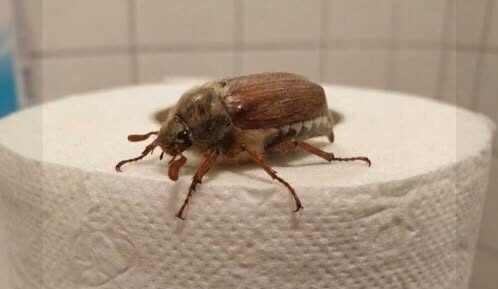
What to Do When You Find an Unknown Bug Inside Your Home
Pause Before Reaching for Insect Spray
Finding an unfamiliar bug crawling across a wall can turn an ordinary evening into a stressful experience. Within seconds, a harmless discovery may begin to feel like evidence of a much larger problem hidden somewhere inside the home.
Many people immediately wonder whether the insect can bite, sting, spread through the house, damage belongings, or contaminate food. That uncertainty often creates a strong urge to grab the nearest pesticide and spray first.
However, reacting before identifying the insect can lead to an unnecessary and ineffective response. The bug may be a harmless wanderer that entered through an open door, damaged screen, or small crack.
Using chemicals without knowing what is present may expose people, pets, and household surfaces to substances that were never needed. It may also fail to address the actual reason the insect appeared.
The most useful first step is not immediate extermination. It is careful observation.
The Insect Is Already Giving You Clues
An unknown bug may look confusing at first, but its appearance can reveal a surprising amount of information. Its size, color, body structure, legs, wings, movement, and location all provide clues about what it may be.
Body shape is one of the most useful features to notice. Some insects are long and narrow, while others are round, flat, oval, or divided into clearly visible sections.
Color can also help narrow the possibilities. A bug may be dark brown, reddish, pale, black, patterned, shiny, or nearly transparent depending on its type and stage of development.
The number and appearance of the legs matter as well. Long, delicate legs suggest something different from short, powerful legs or thick rear legs designed for jumping.
Wings are another important feature. Some insects have obvious wings folded over their backs, while others have tiny wings that are difficult to notice without a close look.
Even the place where the bug was discovered can help tell its story. An insect near a window may have flown inside, while one found near food, bedding, plumbing, or a dark cabinet may require a different level of attention.
Take a Clear Photograph
A clear photograph can turn an uncertain situation into a much easier identification task. Instead of relying on memory after the insect disappears, a photo preserves the details that matter.
The image should be taken in good lighting whenever possible. A dark or blurry picture can hide the body features needed to distinguish one bug from another.
A photograph from directly above can show the overall shape, markings, wings, and proportions of the insect. A second image from the side may reveal its body height, leg structure, head shape, and other features that are not visible from above.
Getting close enough to capture detail is helpful, but the image should remain sharp. Digital zoom can sometimes make a small insect appear larger while removing the clarity needed for identification.
Including a familiar object nearby can provide a sense of scale. The size of the bug is often difficult to judge from a close-up photograph alone.
One crisp image may provide more useful information than several blurry photographs. The goal is to capture the insect clearly enough that its main physical features remain visible.
Observe Where the Bug Was Found
The location of an insect inside the home may be just as important as its appearance. A single bug on a brightly lit wall can have a very different meaning from several insects repeatedly appearing near the same hiding place.
Windows, doors, and damaged screens are common entry points for outdoor insects. A bug found close to one of these areas may simply have wandered inside by accident.
Kitchens provide food, moisture, crumbs, and sheltered spaces. Insects found near cabinets, food containers, sinks, or appliances may have been attracted by accessible resources.
Bathrooms and laundry areas can draw bugs that seek moisture. Leaks, damp surfaces, and gaps around plumbing can create conditions that encourage insects to enter or remain indoors.
Bedrooms require careful observation because insects found near beds, mattresses, frames, or upholstered furniture may call for a more specific response. The location alone does not confirm an infestation, but it helps guide the next step.
Basements, storage rooms, and closets offer darkness and limited disturbance. Some insects hide in these areas even when they are not causing meaningful damage.
Recording where the insect was seen can make identification easier and help determine whether the appearance was accidental or connected to conditions inside the home.
Do Not Assume One Bug Means an Infestation
Seeing one unfamiliar insect can create the impression that many more must be hiding nearby. That conclusion is understandable, but it is not always accurate.
Many insects enter homes accidentally. They may arrive through an open window, cling to clothing, travel inside a box, or move through a small opening in search of warmth or shelter.
A single outdoor insect may have no ability or reason to establish itself indoors. Once removed, it may never appear again.
Repeated sightings are more meaningful than one isolated encounter. Finding several similar insects in the same area or noticing them over multiple days deserves closer attention.
Other signs may also matter, including shed material, stains, damage, droppings, eggs, or activity around food and sleeping areas. These clues can help separate a harmless visitor from a developing household problem.
Remaining calm allows the situation to be evaluated based on evidence rather than fear. The presence of one bug should prompt observation, not immediate panic.
Identification Changes the Response
Knowing what kind of insect is present determines what action is appropriate. Different bugs enter homes for different reasons, and a method that works for one may do nothing for another.
Many household visitors are harmless and require little more than safe removal. They may have wandered indoors without finding the food, moisture, or environment needed to remain there.
Other insects, including roaches or bed bugs, require a faster and more targeted response. These insects should not be treated as ordinary outdoor wanderers because their presence may indicate a problem that can grow if ignored.
The key is to avoid treating every bug as equally dangerous. Overreaction can lead to widespread pesticide use without solving the underlying issue.
Underreaction can also be a mistake when the insect is one that requires specific control. Accurate identification helps prevent both extremes.
Trusted identification guides or knowledgeable experts can help compare the insect’s visible features with likely possibilities. A clear photograph and a precise description of where it was found make that process much easier.
Why Immediate Pesticide Use Can Be the Wrong Choice
Spraying an unidentified insect may feel like the fastest way to regain control. In reality, it often addresses only the bug that is visible while leaving the cause of the problem untouched.
If insects are entering through a damaged screen, spraying one individual does not close the opening. If crumbs or uncovered food are attracting them, chemicals do not remove the food source.
Pesticides may also be used in places where children, pets, or household members spend time. Applying them without a clear need adds avoidable exposure inside the home.
Different pests may require different products, placement methods, or nonchemical measures. Using the wrong treatment can waste time and make it more difficult to understand whether the problem is improving.
Holding off until the insect is identified creates space for a safer and more focused decision. It also reduces the chance of spraying a harmless bug that could have been removed without chemicals.
A targeted response is usually more effective than a broad reaction driven by fear.
Simple Prevention Measures Can Make a Difference
Many insect problems can be reduced by removing the conditions that invite bugs indoors. These steps may not feel dramatic, but they quietly limit food, water, shelter, and access.
Food should be stored securely so insects cannot reach it. Open packages, spills, and crumbs can provide enough nourishment to keep unwanted visitors in a kitchen or pantry.
Cleaning counters, floors, and eating areas helps remove small food particles that are easy to overlook. Regular attention to these areas can reduce the reasons insects remain inside.
Trash containers should be managed carefully, especially when they hold food waste. Residue around bins can attract insects even when the lid appears closed.
Damaged window and door screens should be repaired. Small tears may be large enough for flying or crawling insects to pass through.
Cracks around walls, windows, doors, and plumbing can also act as entry routes. Closing these openings helps block insects before they reach living spaces.
Moisture problems deserve attention as well. Fixing leaks and drying damp areas can make bathrooms, kitchens, basements, and utility spaces less attractive to bugs seeking water.
Watch for Patterns Instead of Reacting to One Moment
After the insect is removed or contained, continued observation can reveal whether the event was isolated. The next several days may provide useful information.
If no additional insects appear, the bug may have been a lone visitor. In that case, major treatment may not be necessary.
If the same type appears repeatedly, note the time, location, and number seen. Patterns can reveal whether the insects are entering from outside or gathering around a particular resource.
Nighttime sightings may suggest different behavior from insects that appear in bright daylight. Repeated activity near food, moisture, bedding, or cracks can help guide a more specific response.
Photographs from multiple sightings can also show whether the insects are all the same type. Different bugs may enter a home for unrelated reasons.
Keeping track of these details replaces uncertainty with evidence. The more clearly the pattern is understood, the easier it becomes to choose an effective solution.
Move From Panic to a Safer Plan
An unknown bug can create fear because uncertainty makes the threat feel larger than it may actually be. The mind often fills in the missing information with the worst possible explanation.
Careful observation interrupts that reaction. Instead of seeing only a frightening shape on the wall, you begin to notice useful details.
You can examine the bug’s size, color, body form, legs, wings, and movement. You can record where it appeared and whether similar insects have been seen before.
A clear photo allows those details to be reviewed rather than forgotten. Identification then provides the foundation for the next decision.
In many cases, the insect will turn out to be a harmless visitor that can be removed without a major response. In other cases, identification may reveal the need for quick and specific action.
Either outcome is better than spraying blindly and hoping the problem disappears.
Attention Is the Most Useful First Tool
The first moments after discovering an unfamiliar insect can shape everything that follows. Acting from fear may lead to unnecessary chemicals, wasted effort, and continued uncertainty.
Acting from observation creates a clearer path. A well-lit photograph, a careful look at the insect’s features, and attention to where it was found can provide the information needed to respond wisely.
Basic prevention measures can then reduce future encounters. Cleaning crumbs, sealing food, repairing screens, closing cracks, and controlling moisture quietly remove the conditions that draw insects indoors.
You are not powerless when an unknown bug appears. You may simply need to pause long enough to see the evidence in front of you.
One clear picture and a few minutes of careful attention can transform panic into understanding. Once the insect is identified, the safest and most effective response becomes far easier to choose.