
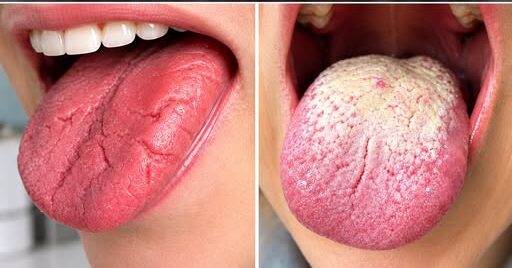
What a White Coating on the Tongue Can Mean and When to Get It Checked
A White Tongue Is a Description, Not a Diagnosis
Noticing a white coating on your tongue can be unsettling, especially first thing in the morning. In many cases, however, the explanation is simple and related to normal buildup on the tongue’s surface.
A white tongue is not a diagnosis by itself. It is a description of an appearance that can have several possible causes, many of them harmless and temporary.
The surface of the tongue contains tiny structures called papillae. Bacteria, dead cells, food particles, and mucus can collect between them, creating a white or pale coating.
This type of buildup can become more noticeable overnight, particularly when saliva production is reduced.
Why the Coating May Look Worse in the Morning
During sleep, the mouth naturally becomes drier. With less saliva moving through the mouth, debris can collect more easily across the tongue.
That is one reason a white coating may appear more obvious after waking.
People who breathe through their mouths while sleeping may notice the effect even more because mouth breathing can contribute to dryness.
Dehydration can also make the tongue appear more coated.
In these situations, the appearance may improve after drinking water, eating, brushing the teeth, and gently cleaning the tongue.
Everyday Buildup Is Often the Simplest Explanation
Ordinary tongue coating can contain a mixture of bacteria, food debris, dead cells, and mucus.
When these materials become trapped between the papillae, the tongue can look pale, white, or unevenly coated.
This does not automatically mean there is an infection or serious problem.
The important question is whether the coating improves with normal oral care or remains present despite gentle cleaning.
Dehydration Can Make the Tongue Look Whiter
Not drinking enough fluids can make the mouth dry and reduce the amount of saliva available to naturally rinse the oral tissues.
When the tongue is dry, buildup can become more visible.
Drinking enough water throughout the day can therefore help improve an ordinary coating caused partly by dryness.
Hydration can also support normal saliva production, which plays an important role in maintaining the mouth’s natural balance.
Mouth Breathing May Contribute
Breathing through the mouth, especially during sleep, can dry the tongue and surrounding tissues.
This can make debris more likely to remain on the tongue’s surface overnight.
Someone who regularly wakes with a dry mouth may also notice that the white coating is most obvious in the morning.
If the appearance fades after hydration and routine oral hygiene, that pattern can be consistent with simple overnight buildup.
Smoking and Alcohol Can Also Affect the Tongue
Smoking may contribute to changes in the appearance of the tongue and can make coating more noticeable.
Alcohol can also contribute by drying the mouth, particularly when intake is significant enough to reduce hydration.
Both can affect the oral environment and may make normal buildup more persistent or visible.
Reducing these irritants may help improve the appearance in some cases.
Some Medications and Temporary Illnesses May Play a Role
Certain medications can contribute to dry mouth or changes in the oral environment.
Temporary illnesses can also affect hydration, saliva production, eating habits, and oral hygiene routines.
Any of those changes can make a white coating more noticeable for a period of time.
This is another reason why the appearance of the tongue should be considered together with how long the change has been present and whether other symptoms are occurring.
Gentle Cleaning Can Help With Ordinary Coating
Regular brushing and good oral hygiene can help reduce normal buildup on the tongue.
Gently cleaning the tongue can also remove accumulated material between the papillae.
The key word is gentle.
Forceful scraping is not necessary and may irritate the tongue’s delicate tissue.
Repeatedly scraping harder because the coating does not disappear immediately can cause soreness, redness, or bleeding and may make the area more uncomfortable.
Hydration Is an Important First Step
If the coating is related partly to dryness, drinking water can help.
Maintaining good hydration throughout the day may reduce the amount of visible buildup and help the mouth function normally.
For many people, the combination of regular brushing, gentle tongue cleaning, and adequate fluid intake is enough to improve a mild coating.
It can also help with breath when ordinary tongue buildup is contributing to odor.
What Matters Most Is Whether the Coating Goes Away
The duration of the change is an important clue.
A coating that appears occasionally and improves with hydration and gentle cleaning is different from a patch that remains for weeks.
Persistent changes deserve more attention because appearance alone cannot reliably identify the cause.
If the coating continues despite routine care, it is better to have it assessed than to keep trying increasingly aggressive cleaning methods.
Persistent White Areas Should Be Evaluated
A dental or medical appointment is appropriate if a white coating or patch lasts for more than a few weeks.
Persistent areas may require an examination to determine what is causing the change.
This is especially important when the coating does not respond to gentle cleaning.
Trying to diagnose a persistent oral change from appearance alone can be misleading because several different conditions can look similar.
Pain, Sores, or Bleeding Are Reasons to Seek Care Sooner
You do not necessarily need to wait several weeks if other symptoms are present.
Painful patches, sores, redness, bleeding, or ongoing discomfort deserve earlier evaluation.
These symptoms can indicate that the tongue is irritated or that something more than ordinary surface buildup is occurring.
The same applies when eating, drinking, or normal mouth movement becomes uncomfortable.
Thick Areas That Do Not Wipe Away Deserve Attention
A thick white area that remains despite gentle cleaning should be examined by a healthcare professional.
The persistence of the area matters more than how dramatic it looks at first glance.
Normal coating often improves when the tongue is hydrated and cleaned carefully.
A patch that repeatedly stays in place is different and should not simply be scrubbed harder.
Oral Thrush Is One Possible Cause of Persistent Coating
Oral thrush is one condition that can cause white areas in the mouth and may require specific treatment.
It cannot be reliably confirmed based only on a photograph or casual inspection.
A healthcare professional can examine the mouth and determine whether treatment is needed.
This is one reason persistent white patches should be evaluated rather than assumed to be ordinary buildup.
Aggressive Scraping Can Make Things Worse
It can be tempting to scrape harder when a coating does not disappear immediately.
That approach can injure the surface of the tongue.
The tissue can become irritated, sore, or even bleed if too much pressure is used.
Gentle cleaning is appropriate for ordinary buildup, but forceful removal attempts are not a substitute for evaluation when a persistent patch remains.
Most Everyday Coatings Are Harmless
Many white tongue coatings are caused by ordinary accumulation of debris combined with dryness.
They often improve with water, routine brushing, and gentle tongue cleaning.
This is especially true when the coating is most noticeable in the morning and becomes less obvious as the day progresses.
In those cases, there may be no reason for alarm.
Lasting Changes Should Not Be Ignored
The main distinction is between something temporary and something persistent.
A coating that clears is generally less concerning than a white area that remains unchanged for weeks.
Persistent patches, painful areas, redness, sores, bleeding, or ongoing discomfort should be checked by a dentist or medical professional.
An examination can help determine whether the change is simply buildup or something that needs specific treatment.
The Best Approach Is Simple and Gentle
If you notice a white tongue, start with basic oral care.
Drink enough water, brush regularly, and clean the tongue gently rather than aggressively.
Pay attention to whether the appearance improves over time.
If it does, ordinary buildup or dryness may have been contributing.
If it does not, or if other symptoms develop, arrange a professional evaluation.
Appearance Alone Cannot Tell the Whole Story
A white coating can look alarming, but appearance alone does not reveal the cause.
Some cases are linked to normal overnight buildup, dehydration, mouth breathing, smoking, alcohol, medication effects, or temporary illness.
Others may require closer examination.
The safest approach is to focus on persistence, discomfort, and whether the area responds to gentle care.
Most tongue coatings are harmless, but lasting changes are better assessed than guessed at.